When it comes to designing energy-efficient spaces, many ask the question: is triple glazing worth it? For a commercial builder in Melbourne, this decision isn’t just about glass, it’s about balancing long-term performance with upfront investment. In commercial projects, glazing plays a pivotal role in shaping not only energy consumption but also comfort, acoustics, and sustainability outcomes. This month, we explore the costs, benefits, and alternatives, helping decision-makers understand whether triple glazing is the right choice for their commercial projects in Melbourne.
Understanding Triple Glazing in Commercial Construction
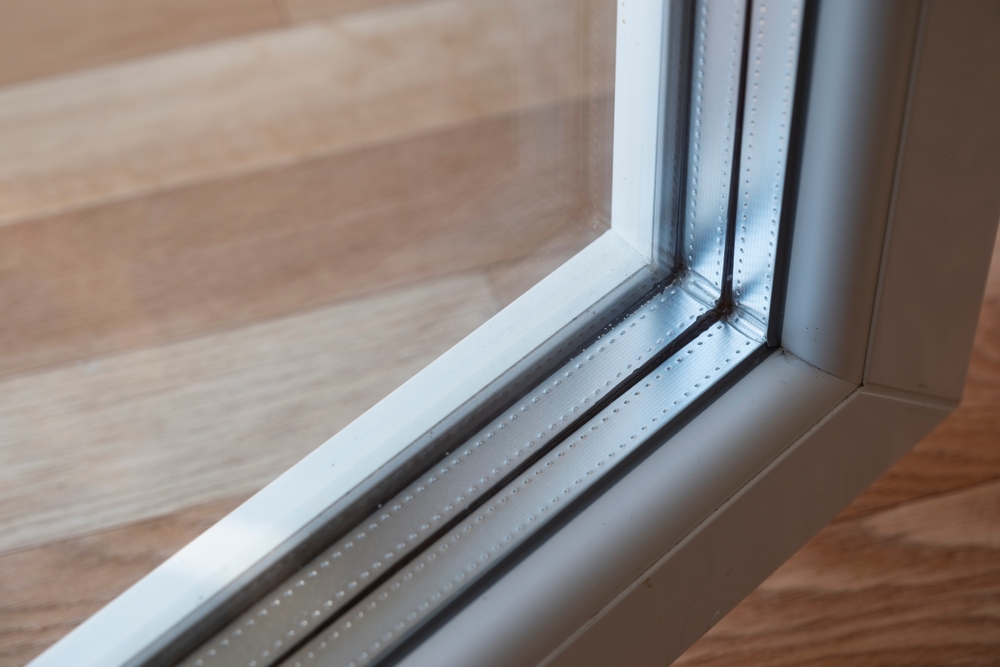
Triple glazing refers to a window system that uses three panes of glass separated by insulating gas-filled cavities, designed to enhance both thermal efficiency and acoustic insulation. In commercial construction, the choice of glazing impacts far more than aesthetics; it directly influences energy performance, occupant comfort, and operational costs. With Melbourne’s climate presenting cool winters and warm summers, builders are increasingly exploring whether the benefits of triple glazing outweigh its higher initial cost.
The additional pane in a triple-glazed unit reduces heat transfer, helping to maintain a stable indoor temperature. This is particularly valuable in large office buildings, retail centres, or healthcare facilities where consistent climate control is essential. Reduced reliance on HVAC systems can lead to long-term savings, even if the upfront investment is higher.
For commercial projects, triple glazing also offers improved soundproofing, which is a major consideration in dense urban areas or near high-traffic zones. By mitigating external noise, businesses can create more productive, comfortable environments. While double glazing remains the standard, triple glazing is emerging as a premium solution for projects prioritising sustainability, energy ratings, and occupant wellbeing, aligning with broader goals for greener, smarter commercial buildings.
The Benefits of Triple Glazing for Commercial Buildings
Triple glazing is often promoted for its superior thermal insulation, which can significantly reduce heat loss during Melbourne’s cooler months while also limiting heat gain in summer. For commercial properties, this means less reliance on artificial heating and cooling, lowering both energy consumption and operational expenses over the building’s lifespan. In a competitive property market, buildings that demonstrate energy efficiency can also attract higher-value tenants seeking lower running costs and improved comfort.
Noise reduction is another important advantage. Commercial hubs are frequently located in high-traffic areas, close to roads, railways, or airports. Triple glazing provides excellent acoustic insulation, helping to create quieter indoor environments. For offices, healthcare facilities, and hospitality venues, this translates into enhanced productivity, better client experiences, and improved occupant wellbeing.
In addition to comfort and efficiency, triple glazing supports sustainability initiatives by contributing to higher Green Star or NABERS ratings. With growing pressure for commercial builders to deliver environmentally responsible projects, glazing choices can play a key role in achieving compliance with energy performance standards.
By combining sustainability, comfort, and long-term savings, triple glazing presents itself as a forward-thinking solution for many commercial projects.
The Costs and Challenges of Triple Glazing
While the advantages of triple glazing are clear, the higher upfront costs can be a significant hurdle for many commercial projects in Melbourne. Compared to double glazing, the additional pane, specialised gas fills, and thicker frames make triple-glazed units considerably more expensive to manufacture and install. For developers and businesses, this means weighing long-term energy savings against the initial investment.
The added weight of triple glazing can also pose challenges in construction. Heavier units require stronger window frames and may impact structural load considerations, particularly in high-rise commercial buildings. This can lead to increased material costs and, in some cases, longer installation times. Commercial builders must also account for the impact on façade design and ensure that the building envelope can support the system.
Another factor is Melbourne’s climate. Unlike colder European regions where triple glazing is almost essential, Melbourne’s moderate conditions mean the performance benefits may not always justify the premium. In some situations, high-performance double glazing can achieve similar results at a lower cost.
Ultimately, the decision comes down to project priorities. For developments focused on sustainability, energy ratings, and long-term operational efficiency, triple glazing may deliver value. However, for projects with tighter budgets, it may not always be the most practical choice.
Comparing Triple Glazing with Double Glazing
When considering is triple glazing worth it, the comparison with double glazing is essential. Double glazing remains the standard choice for most commercial buildings in Melbourne due to its balance of performance and cost-effectiveness. It provides solid thermal insulation, effective noise reduction, and compliance with the National Construction Code (NCC) requirements.
Triple glazing, however, takes these benefits further by offering higher levels of energy efficiency and acoustic comfort. The additional pane and gas-filled cavity reduce heat transfer more effectively, making it particularly beneficial in energy-intensive facilities or high-noise environments. For commercial projects prioritising sustainability, this can help achieve stronger environmental credentials such as NABERS or Green Star ratings.
The decision between double and triple glazing often comes down to budget and performance priorities. While double glazing is sufficient for many projects, triple glazing provides a premium solution where long-term efficiency and occupant wellbeing are paramount.
Climate Considerations: Is Triple Glazing Necessary in Melbourne?
When assessing is triple glazing worth it, Melbourne’s climate must be a key consideration. Unlike regions in Europe or North America where extreme winters make triple glazing almost essential, Melbourne experiences a relatively temperate climate. This means the insulation benefits of triple glazing, while valuable, may not always deliver the same return on investment as in colder environments.
During winter, Melbourne does face cool temperatures, and triple glazing can help reduce heat loss, improving indoor comfort in large-scale commercial buildings. In summer, however, the city is more concerned with managing solar heat gain. This highlights the importance of window orientation, shading devices, and glazing coatings, which can sometimes provide similar efficiency outcomes without the added cost of a third pane.
For many commercial projects, advanced double glazing combined with low-emissivity coatings and quality frame systems may offer a more cost-effective solution. These options can meet compliance standards under the National Construction Code (NCC) while still delivering strong thermal and acoustic performance.
That said, in certain applications—such as hospitals, premium office towers, or developments pursuing top-tier Green Star ratings—triple glazing can still be justified. In these cases, the added insulation and noise control contribute to improved occupant wellbeing and long-term sustainability. Ultimately, understanding Melbourne’s climate profile helps determine whether triple glazing is a necessity or simply a desirable upgrade for specific projects.
Sustainability and Energy Ratings
Triple glazing contributes directly to improved sustainability outcomes in commercial buildings. By delivering higher levels of thermal insulation, it reduces reliance on heating and cooling systems, cutting overall energy consumption. This aligns with Melbourne’s growing focus on green building practices and the push for lower carbon emissions across the construction sector.
For developers, the choice of glazing can influence formal certifications such as NABERS and Green Star ratings. These frameworks reward energy efficiency and resource conservation, both of which are strengthened through the use of triple-glazed systems.
Sustainable design is not just about compliance but also about creating long-term value. Tenants and investors increasingly seek buildings that demonstrate environmental responsibility, and premium glazing solutions can enhance marketability. By combining reduced operational costs with improved sustainability credentials, triple glazing positions commercial developments as future-ready assets in Melbourne’s evolving property landscape.
Is Triple Glazing Worth It?
Determining whether triple glazing is worth it for commercial buildings in Melbourne depends on a combination of factors, including climate, building use, budget, and sustainability goals. For projects prioritising energy efficiency, acoustic comfort, and high environmental ratings such as Green Star, the added cost can be justified through long-term savings and improved occupant wellbeing.
Triple glazing provides superior thermal insulation, reduces heating and cooling demands, and enhances acoustic performance in busy urban environments. It also supports compliance with the National Construction Code (NCC) and strengthens the overall sustainability profile of the building.
However, for developments where budget constraints are tight or the climate is moderate, high-performance double glazing with Low-E coatings and thermally broken frames can achieve similar outcomes at a lower cost. Ultimately, commercial projects should assess the trade-offs between upfront investment and long-term benefits, considering both operational efficiency and occupant comfort when deciding whether to adopt triple glazing.
Are You Looking for a Commercial Builder in Melbourne?
If you need a commercial builder, get in touch with Lamble Builders. As experienced builders in Melbourne, we are proud to provide you with over 40 years of industry expertise in delivering outstanding commercial solutions.
When you need a commercial builder, contact us at 03 5941 8135 or fill out our online contact form and we will get back to you.
Frequently Asked Questions
What is the difference between triple glazing and double glazing for commercial buildings?
Triple glazing consists of three panes of glass with insulating gas fills, whereas double glazing has two. The extra pane in triple glazing provides better thermal insulation, improved acoustic performance, and can enhance energy efficiency for large commercial properties.
Does triple glazing save enough on energy bills to justify its cost in Melbourne?
Triple glazing can reduce heating and cooling demand, particularly in energy-intensive buildings. However, in Melbourne’s temperate climate, high-performance double glazing may offer similar energy savings at a lower upfront cost.
How long does it take to see a return on investment for triple glazing?
The payback period depends on building size, HVAC usage, and climate. For commercial buildings with large glazed façades, the return can take several years but may be justified by improved comfort and sustainability credentials.
Is triple glazing beneficial for noise reduction?
Yes, triple glazing significantly reduces external noise, making it ideal for offices, hotels, and healthcare facilities in busy urban areas.
Are there regulatory requirements for triple glazing in commercial projects?
While not mandated, triple glazing helps meet National Construction Code (NCC) energy efficiency standards and can support higher Green Star or NABERS ratings.
Can triple glazing impact building sustainability and tenant appeal?
Yes, it improves energy efficiency, occupant comfort, and can enhance the building’s environmental credentials, making it more attractive to tenants and investors.