When weighing up steel frame vs timber frame, many property owners and developers in Melbourne want to know which option truly delivers the best value. The choice of framing material has a significant impact on cost, energy efficiency, and long-term durability, making it one of the most important decisions in any building project. Whether you’re designing a bespoke home or working alongside a commercial builder in Melbourne on a larger development, understanding the strengths and drawbacks of each approach is essential. Steel frames are known for their strength, fire resistance, and ability to span large areas without compromise, while timber offers natural insulation, design flexibility, and a warm aesthetic appeal. Both materials have a place in Australia’s construction landscape, but the right choice depends on your project’s goals. This month, we explore their differences to help you make an informed, future-proof decision.
The Basics: Steel and Timber Framing Explained
Understanding the key differences between steel and timber framing is the first step in making an informed construction choice. Both materials are widely used across Australian commercial and residential building projects, yet they bring unique qualities that can influence structural performance and long-term outcomes.
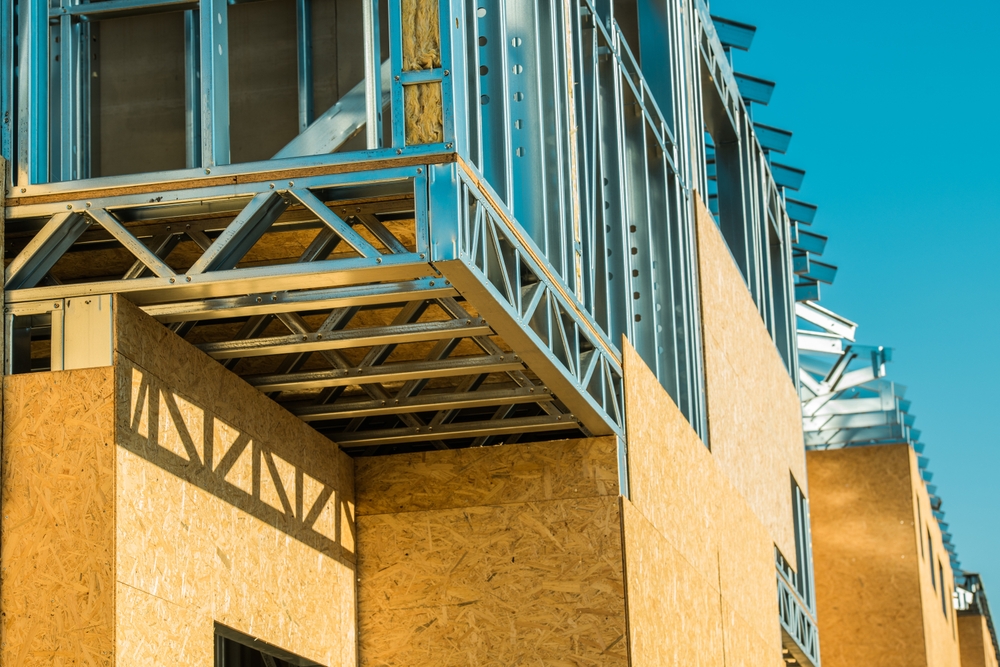
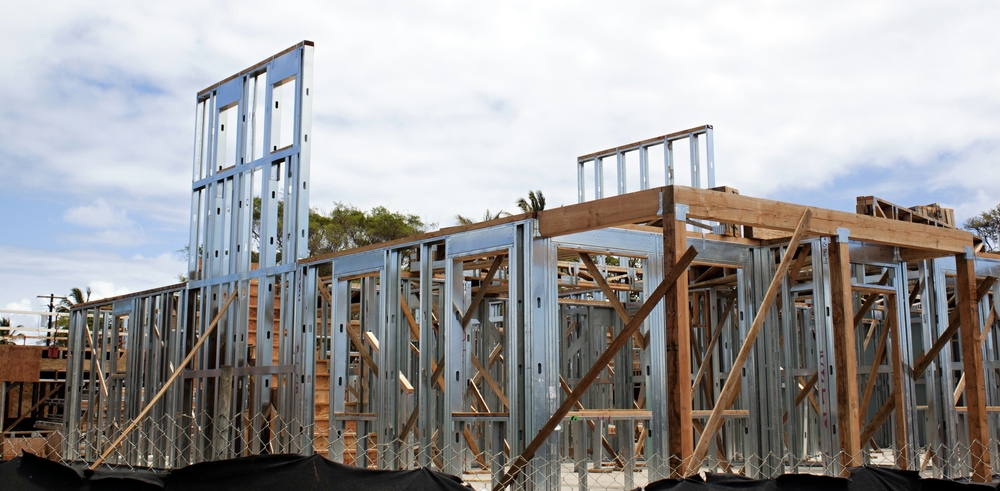
Steel framing is manufactured from galvanised steel, offering exceptional strength, durability, and resistance to termites, rot, and fire. Because it is engineered with precision, steel provides consistent quality and allows for accurate, large-scale construction. This makes it particularly appealing for developers and commercial builders who value efficiency and structural integrity through effective construction management.
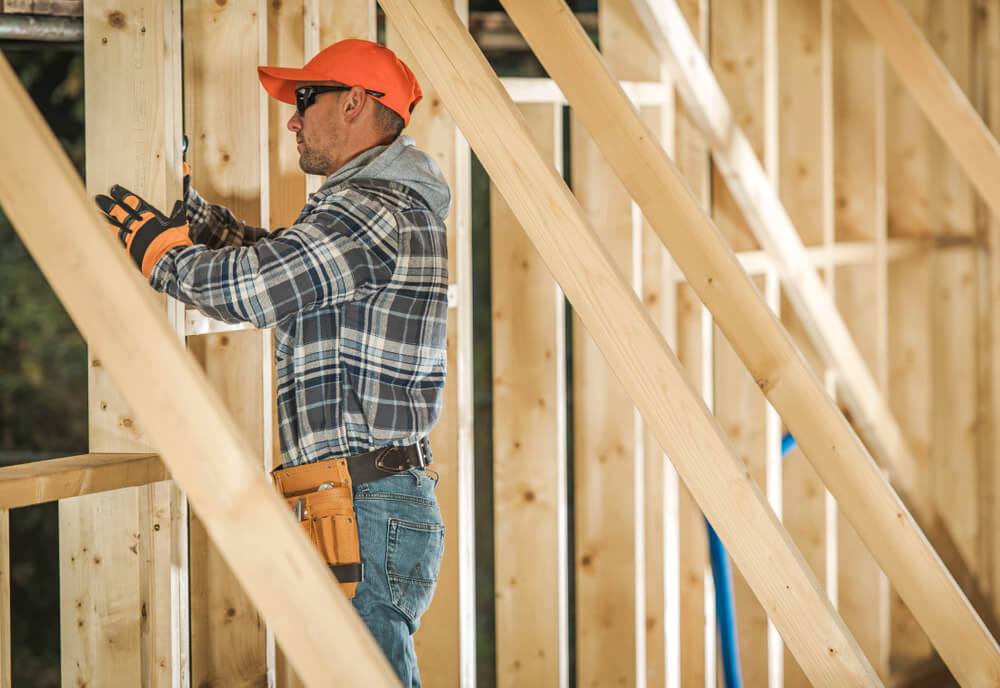
Timber framing, on the other hand, is a renewable resource that has been used in Australian construction for generations. Known for its natural thermal properties, timber delivers excellent insulation benefits and contributes to energy efficiency when designed correctly. Its flexibility and ease of handling make it well-suited for custom builds and renovations.
By comparing these two materials side by side, builders and clients can identify which aligns with their budget, design vision, and long-term maintenance expectations. Whether prioritising sustainability, cost-effectiveness, or structural resilience, the choice between steel and timber is central to the success of any project.
Cost Comparison: Upfront vs. Long-Term Value
When weighing up steel framing or timber framing, cost is often the deciding factor for many builders and developers. While timber framing usually comes with a lower upfront cost, the long-term financial implications can be very different once factors such as maintenance, durability, and energy efficiency are considered. Proper construction project management can help optimise these costs across the entire build lifecycle.
Steel framing tends to be more expensive at the outset due to the manufacturing process and installation expertise required. However, its longevity often offsets these higher initial expenses. With resistance to termites, moisture, and fire, steel structures generally require fewer repairs and replacements over time. For commercial developments, this reduced maintenance can provide significant savings across the lifecycle of the building.
Timber, by contrast, is more affordable at the start, making it attractive for budget-conscious projects or smaller builds. However, it can be vulnerable to pests, decay, and warping if not adequately treated and maintained. Ongoing treatments, inspections, and potential repairs can add considerable long-term costs. That said, timber’s natural thermal properties can reduce energy expenses by improving insulation and reducing heating and cooling requirements.
Ultimately, the choice between steel and timber comes down to balancing short-term affordability with long-term performance. Developers and commercial builders must assess not only the construction budget but also the operational and maintenance costs that will arise over decades of use. A clear understanding of these trade-offs ensures that the chosen framing material delivers true value for money.
Strength, Durability, and Safety
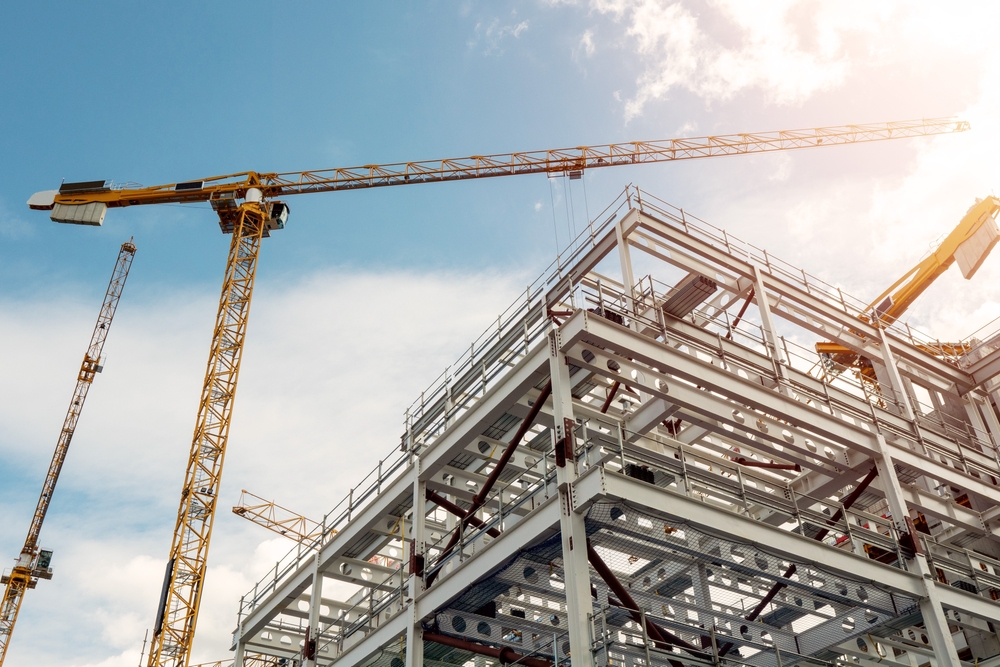
When comparing a steel frame or a timber frame, strength and durability play a crucial role in determining which option best suits a commercial or residential project. Steel framing is renowned for its structural integrity, making it ideal for larger buildings and high-rise construction. Its ability to withstand heavy loads, high winds, and even seismic activity provides peace of mind for developers and building owners alike.
One of the standout advantages of steel is its resistance to fire, termites, and moisture-related issues. Unlike timber, which can warp, rot, or attract pests if not maintained properly, steel offers consistent performance across decades. This makes it particularly appealing in regions prone to bushfires or termite infestations, common challenges in Australia.
Safety is another important factor. Steel is non-combustible, reducing the risk of fire spread, while timber requires fire-resistant treatments to comply with regulations. Both materials can deliver safe outcomes when designed and installed correctly, but the choice often comes down to balancing resilience with design preferences and budget.
Sustainability and Environmental Impact
Sustainability is an increasingly important factor when evaluating a steel frame or a timber frame for modern construction. Timber is often celebrated as a renewable resource with a lower embodied energy compared to steel. When responsibly sourced, it can act as a carbon store, locking in greenhouse gases and supporting environmentally conscious building practices. This makes timber framing an attractive option for builders and clients aiming to reduce their carbon footprint.
Steel, on the other hand, requires significant energy in its production process but offers long-term recyclability. A major advantage of steel framing is that it can be recycled repeatedly without losing strength, reducing waste and supporting circular economy initiatives in construction. Additionally, steel’s durability can result in fewer repairs and replacements over the building’s life cycle, which can also contribute to sustainability outcomes.
Cost and Budget Considerations
When weighing up steel frames or timber frames, cost is often one of the biggest deciding factors for both residential and commercial projects. Timber framing is generally less expensive upfront, as the material is widely available and easier to work with using conventional construction methods. This makes it a practical option for smaller builds or clients working with tight budgets.
Steel, by contrast, usually involves higher initial costs due to fabrication, transportation, and specialist installation. However, these upfront expenses can be offset by the long-term benefits of durability, reduced maintenance, and fewer structural issues over the building’s lifespan. Steel frames also allow for larger spans and open-plan layouts without extensive support structures, which can reduce other construction costs in complex designs.
Another key consideration is project timelines. Steel framing can speed up construction because components are prefabricated off-site, reducing labour time and weather-related delays. Timber can be quicker to source locally but may require additional treatments or protection depending on the build location. Experienced construction management teams can optimise these timelines regardless of material choice.
Ultimately, the cost comparison should be viewed in terms of life cycle value rather than just initial expenditure. A commercial builder in Melbourne will often evaluate both short-term budgets and long-term performance before recommending the most suitable option.
Maintenance and Long-Term Performance
When evaluating steel frame vs timber frame, maintenance and longevity are critical factors for both homeowners and commercial developers. Steel framing is highly regarded for its resilience, with minimal upkeep required over the lifespan of the building. It does not warp, rot, or attract termites, making it particularly suited to Australian conditions where pests and bushfire risks are common concerns. Its structural stability ensures fewer long-term repair costs, which can offset the higher upfront investment.
Timber frames, on the other hand, demand more maintenance to ensure durability. Regular inspections, pest treatments, and protective coatings are often necessary to prevent issues such as rot or termite damage. However, engineered timber products have improved timber’s long-term performance, allowing it to meet strict building codes and extend its functional lifespan.
In terms of performance, steel frames often deliver greater consistency as they are manufactured to precise specifications, reducing the risk of movement or settlement over time. Timber can be more susceptible to environmental conditions, but when maintained correctly, it can still provide decades of reliable service.
Fire Resistance and Safety
Fire resistance is a key consideration when deciding between steel frame vs timber frame construction, particularly in Melbourne where bushfire risks and urban fire safety standards are taken seriously. Steel is inherently non-combustible, maintaining structural integrity even under extreme heat. This characteristic makes it an attractive option for commercial projects, multi-storey developments, and properties in high-risk areas.
Timber, in contrast, is naturally combustible. However, modern building practices often incorporate engineered timber products such as cross-laminated timber (CLT) or laminated veneer lumber (LVL), which can be treated to improve fire resistance and comply with Victorian building regulations. Fire retardant coatings and sprinkler systems can further enhance timber’s safety performance.
Beyond material selection, both steel and timber frames must be designed in accordance with the National Construction Code (NCC) and local fire safety standards. Fire-resistant design considerations include proper compartmentalisation, escape routes, and passive fire protection measures. By addressing these requirements, developers and commercial builders in Melbourne can ensure that buildings remain safe, resilient, and compliant while still achieving their desired structural and aesthetic outcomes.
Energy Efficiency and Thermal Performance
Energy efficiency is an increasingly important factor when choosing between steel frame vs timber frame for both residential and commercial projects in Melbourne. Timber naturally provides superior thermal insulation compared to steel, helping to maintain comfortable indoor temperatures and reducing the reliance on heating and cooling systems. This can lead to lower energy bills and improved NABERS or Green Star ratings for environmentally conscious developments.
Steel frames, while strong and durable, are highly conductive and can create thermal bridging if not properly insulated. This means that additional insulation materials and careful design are often necessary to achieve optimal energy performance. Modern construction techniques, including cavity insulation and thermal breaks, can help steel-framed buildings meet energy efficiency requirements under the National Construction Code (NCC).
Both framing options can be adapted to meet Melbourne’s climate conditions, but the choice often depends on the building’s scale, purpose, and sustainability goals. For commercial builders in Melbourne, balancing insulation, energy efficiency, and long-term operational costs is essential in determining the most suitable framing system. This is where professional construction project management becomes invaluable in coordinating these complex requirements.
Do You Need a Commercial Builder in Melbourne?
Look no further than Lamble Builders. Whether you need help with a steel frame vs. timber frame decision or another aspect of your commercial project, we are expertly positioned to help you. As leading commercial builders in Melbourne, we have the expertise to assist you, backed by over 40 years of industry experience.
Get in touch by calling 03 5941 8135 or fill out our online contact form and we will get back to you.
Frequently Asked Questions
Which is better for commercial buildings, steel or timber?
Steel is generally preferred for commercial projects due to its strength, durability, and ability to span large areas without additional support. Timber can be suitable for smaller commercial builds or projects prioritising sustainability and aesthetics.
Is steel framing more expensive than timber?
Yes, steel usually has a higher upfront cost because of fabrication and installation requirements. However, it can offer long-term savings through reduced maintenance and increased durability.
Does timber framing require more maintenance?
Yes. Timber must be treated to prevent termite damage, rot, and warping. Regular inspections and maintenance are necessary, whereas steel is largely maintenance-free.
Can steel and timber be combined in one building?
Yes, hybrid designs often use steel for structural strength and timber for aesthetics, insulation, or sustainability goals.
Which framing performs better in Melbourne’s climate?
Both can work effectively. Timber offers natural thermal insulation for cooler winters, while steel provides durability and resistance to pests and fire, ideal for urban and commercial settings.