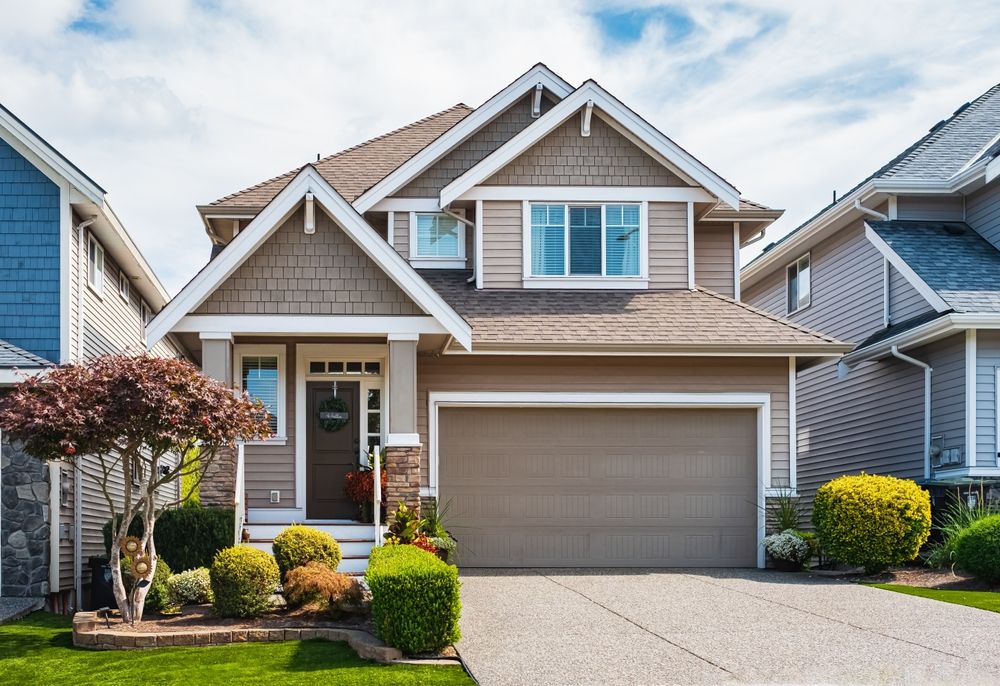
Tag: luxury custom home builder

  • Custom Home Building Timelines: How Long Does it Take to Build a Custom Home?

    Custom Home Building Timelines: How Long Does it Take to Build a Custom Home?

    Understanding the custom home building timeline is one of the most important steps in turning your dream home into reality. Whether you’re envisioning a contemporary coastal retreat or a luxury urban residence, knowing what to expect at each stage helps you plan with confidence and clarity. Unlike a standard build, a custom home requires a personalised approach, where every detail, from the initial concept to the final handover, is shaped around your lifestyle and vision. Partnering with an experienced builder ensures the process stays on track and transparent, even when navigating council approvals or design changes. A specialist custom home builder brings precision, craftsmanship, and collaboration to your residential project. By understanding the full timeline, you can make informed decisions, anticipate key milestones, and enjoy the exciting journey of creating a truly one-of-a-kind home.

    Understanding the Custom Home Building Timeline

    Before diving into the design and construction process, it’s essential to understand what a custom home building timeline actually involves. Unlike pre-designed or volume-built homes, a custom home project is tailored to the homeowner’s specific requirements, preferences, and site conditions. This level of personalisation means that every phase – from concept design to completion – must be carefully planned and managed.

    The average timeline for building a custom home in Australia can range from 10 to 18 months, depending on factors such as design complexity, council approvals, weather conditions, and site accessibility. During this period, several key milestones occur, including design development, building permits, site preparation, and the construction phase itself.

    It’s important to note that delays can occur due to supply chain issues, design modifications, or unforeseen ground conditions. However, with transparent communication and professional project management, your builder can ensure each stage flows efficiently.

    Phase One: Design and Planning (3–6 Months)

    The design and planning phase is the foundation of any successful custom home building timeline. This stage sets the direction for the entire project, ensuring your vision aligns with practical considerations such as budget, site conditions, and local building regulations. Working with an experienced commercial builder in Melbourne or a specialist custom home builder can make this process more efficient and enjoyable.

    During this stage, homeowners collaborate closely with architects, designers, and engineers to bring their ideas to life. The process includes concept drawings, design refinement, and finalising detailed plans that comply with the National Construction Code (NCC) and relevant local council requirements. It’s also the time to make early selections for materials, fittings, and finishes – decisions that can influence both cost and construction timeframes.

    Once the design is finalised, the builder will prepare documentation for council approval and building permits. These approvals can take several weeks to several months depending on your local council’s workload and the project’s complexity. Delays at this stage are common but manageable with proper planning and communication.

    By the end of the design and planning phase, you’ll have a clear roadmap, fixed cost estimates, and an approved design ready for construction. This detailed preparation is crucial for minimising disruptions later in the build, ensuring the project progresses on schedule and within budget.
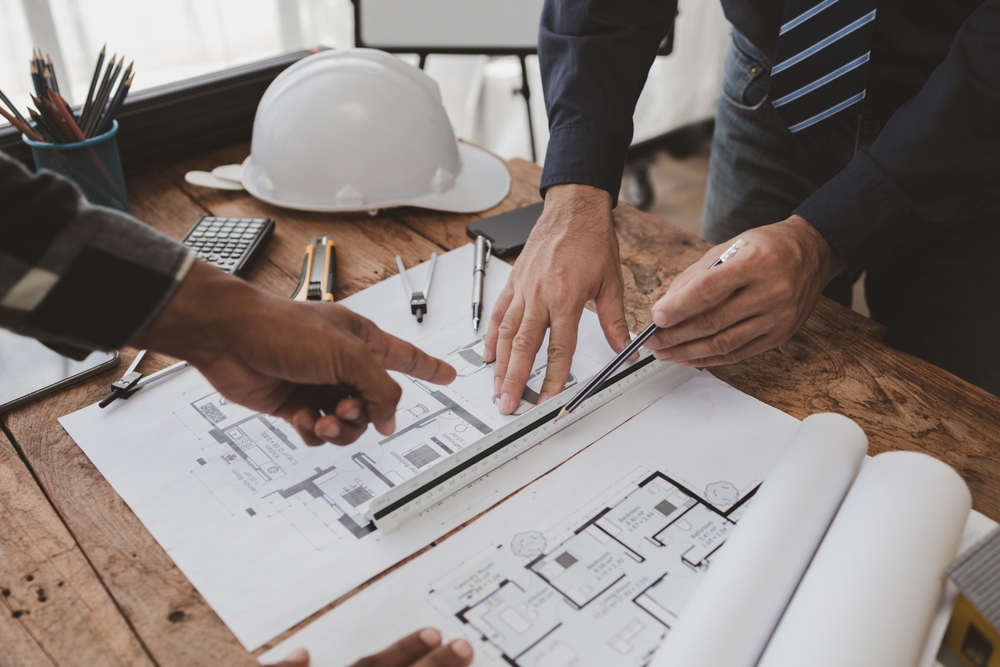
    custom home building plan

    Phase Two: Site Preparation and Approvals (1–2 Months)

    The site preparation phase marks the start of physical progress in your custom home building timeline. After the design and documentation are finalised, your builder coordinates the essential groundwork that prepares the site for construction. This includes clearing vegetation, levelling the land, setting out boundaries, and organising connections for water, electricity, and drainage systems. Proper site preparation ensures a stable foundation and prevents costly issues during later stages of the build.

    At the same time, your custom builder will finalise building permits, insurance, and any other necessary council approvals. These steps are crucial for compliance with local regulations and the NCC particularly if the property has unique conditions such as easements, sloping blocks, or heritage overlays.

    During this stage, soil testing and surveying may also be conducted to confirm ground stability and determine the appropriate footing system for your new home. Any unexpected findings, such as poor soil quality or drainage issues, may extend this phase slightly but are essential for long-term structural integrity.

    By the end of this phase, the site will be fully prepared and compliant, ready for the construction phase to begin. Strong preparation at this point lays the groundwork for a smoother and more efficient build.

    Phase Three: Construction and Building Progress (6–12 Months)

    The construction phase is where your vision becomes a tangible structure, marking the most active part of the custom home building timeline. Once site preparation is complete, your builder begins work on the foundation, framing, roofing, and exterior walls, ensuring every stage complies with engineering standards and safety codes.

    During this time, the structural frame – often steel or timber – is erected, followed by brickwork, windows, and insulation. The home’s skeleton starts to take shape, revealing room layouts and design flow. Once the structure is sealed, trades such as electricians, plumbers, and HVAC specialists begin their work installing wiring, pipes, and ventilation systems.

    Interior work follows, including plastering, flooring, cabinetry, and painting, which gives the space its personality. Regular site inspections are conducted to ensure progress aligns with your contract and quality standards.

    This stage can vary significantly depending on factors like weather conditions, custom design complexity, and material availability. Effective communication with your custom builder during this phase helps maintain realistic timelines and manage expectations.

    By the end of construction, your home will be structurally complete, with all major systems installed, leading into the exciting final stage – handover and finishing touches.

    Phase Four: Final Inspections, Handover, and Moving In (1–2 Months)

    The final phase of your custom home building timeline is where your dream home is officially brought to completion. Once construction is finished, your builder conducts a series of final inspections to ensure the home complies with all building codes, safety standards, and contract specifications. This includes checks on electrical systems, plumbing, insulation, and structural integrity.

    A practical completion inspection (PCI) allows you, the homeowner, to walk through the property with your builder and identify any defects or areas needing touch-ups. It’s an essential step before handover, as it guarantees the home meets the agreed design and quality expectations.

    Once all minor rectifications are complete, the handover process begins. You’ll receive keys, warranties, manuals, and compliance certificates for all installed systems.

    Moving in marks the culmination of months of planning and coordination. However, it’s also a time to familiarise yourself with home maintenance responsibilities to protect your investment. A reliable custom home builder will often schedule a follow-up visit to address any post-construction issues, ensuring your new home performs as beautifully as it looks.
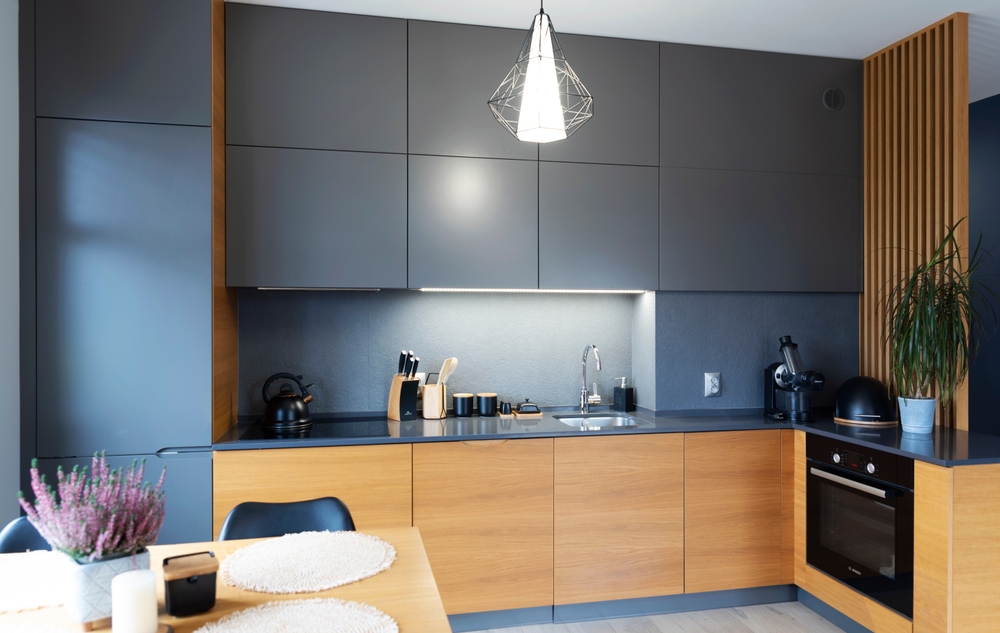
    luxury custom home interior

    Factors That Influence Your Custom Home Building Timeline

    While most custom home builds follow a structured timeline, several factors can impact the duration of your project. Understanding these elements can help you manage expectations and avoid unnecessary delays.

    One of the most significant influences is site conditions. Uneven land, poor soil quality, or accessibility issues can add extra time for earthworks or foundation stabilisation. Similarly, weather conditions – particularly heavy rain or extreme heat – can disrupt outdoor work schedules and cause temporary construction pauses.

    The complexity of your design also plays a major role. A home with bespoke architectural features, intricate joinery, or advanced energy-efficient systems will naturally take longer to construct than a simpler floor plan. The choice between custom materials and standard options can affect procurement times, especially if products are imported or made to order.

    Another key factor is council approvals and permits. While experienced builders in Melbourne can streamline the documentation process, planning delays are sometimes inevitable, particularly for larger or heritage-adjacent sites.

    Finally, builder experience and project management efficiency have a direct impact. A seasoned custom home builder will maintain clear communication, coordinate subcontractors effectively, and mitigate delays before they escalate.

    Tips to Keep Your Custom Home Build on Schedule

    Staying on track during the building process requires careful planning and clear communication. From the outset, working closely with a reputable custom builder in Melbourne ensures your project is managed efficiently and potential setbacks are minimised.

    One of the best ways to avoid delays is to finalise your design and material selections early. Changes made mid-build can disrupt scheduling and increase costs. Keeping consistent communication with your builder also helps resolve issues quickly and maintain momentum on-site.

    By collaborating with an organised and transparent custom home builder, you can enjoy a seamless construction experience and move into your dream home on time and within budget.

    Do You Need a Custom Builder in Melbourne?

    A clear understanding of the custom home building timeline is essential for a successful project. By anticipating each stage homeowners can make informed decisions and avoid unnecessary delays. Working with an experienced custom builder in Melbourne ensures professional project management, timely communication, and adherence to council regulations. Careful planning, early design finalisation, and proactive collaboration with your builder allow the build to progress efficiently. Ultimately, patience and preparation result in a home that reflects your lifestyle, design vision, and long-term investment goals.

    Get in touch with Lamble Builders for your custom home building and commercial building needs. As leading builders in Melbourne, we have the expertise to assist you, backed by over 40 years of industry experience.

    Contact us by calling 03 5941 8135 or fill out our online contact form and we will get back to you.

    Frequently Asked Questions

    How long does it take to build a custom home in Melbourne?

    The average timeline for a custom home in Melbourne ranges from 12 to 24 months. Luxury or architecturally complex homes may take longer depending on design features, council approvals, and site conditions.

    What factors influence the custom home building timeline?

    Key factors include site conditions, design complexity, material selection, council approvals, weather, and the efficiency of the builder’s project management.

    How do council approvals affect the timeline?

    Permits and approvals can take several weeks to months depending on the council, zoning, and whether heritage or environmental overlays are involved.

    What happens during the construction phase?

    Construction includes site preparation, foundation work, framing, roofing, and internal fit-out, with regular inspections to ensure compliance and quality.

    How can homeowners avoid delays?

    Finalising designs early, selecting materials promptly, maintaining consistent communication, and choosing an experienced builder helps minimise disruptions.
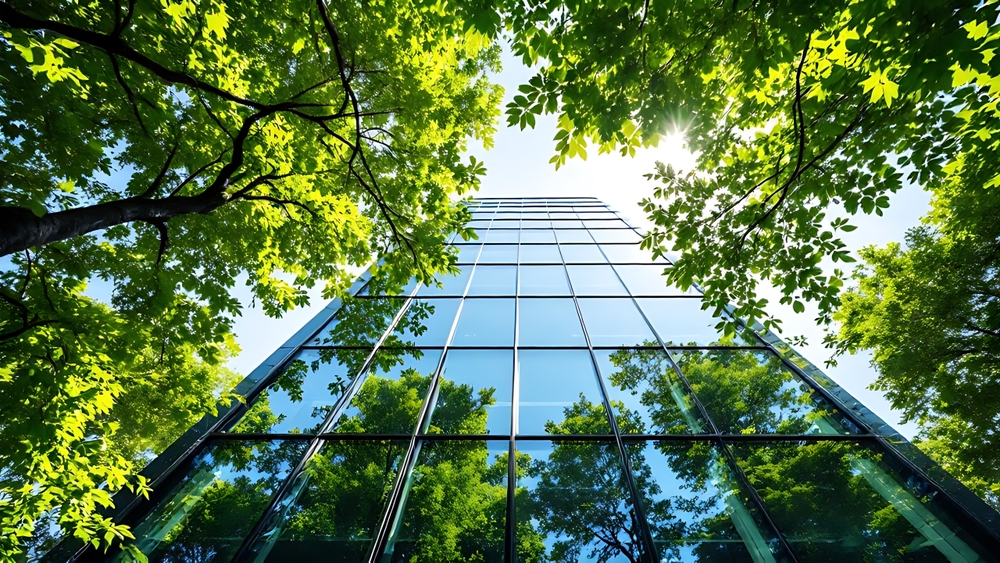
  • Is Triple Glazing Worth It? A Commercial Building Guide

    Is Triple Glazing Worth It? A Commercial Building Guide

    When it comes to designing energy-efficient spaces, many ask the question: is triple glazing worth it? For a commercial builder in Melbourne, this decision isn’t just about glass, it’s about balancing long-term performance with upfront investment. In commercial projects, glazing plays a pivotal role in shaping not only energy consumption but also comfort, acoustics, and sustainability outcomes. This month, we explore the costs, benefits, and alternatives, helping decision-makers understand whether triple glazing is the right choice for their commercial projects in Melbourne.

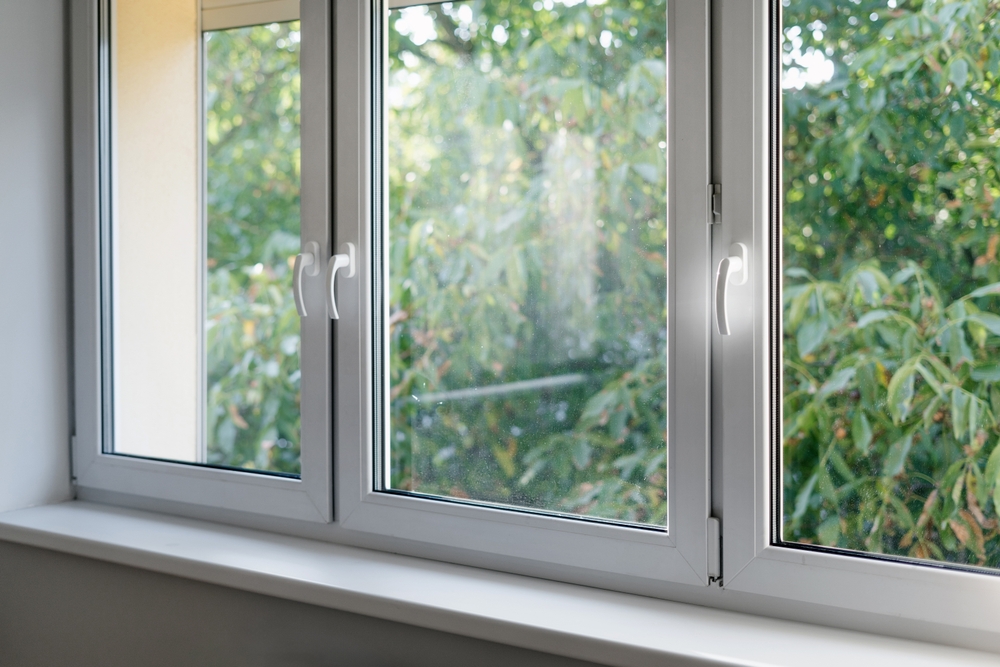
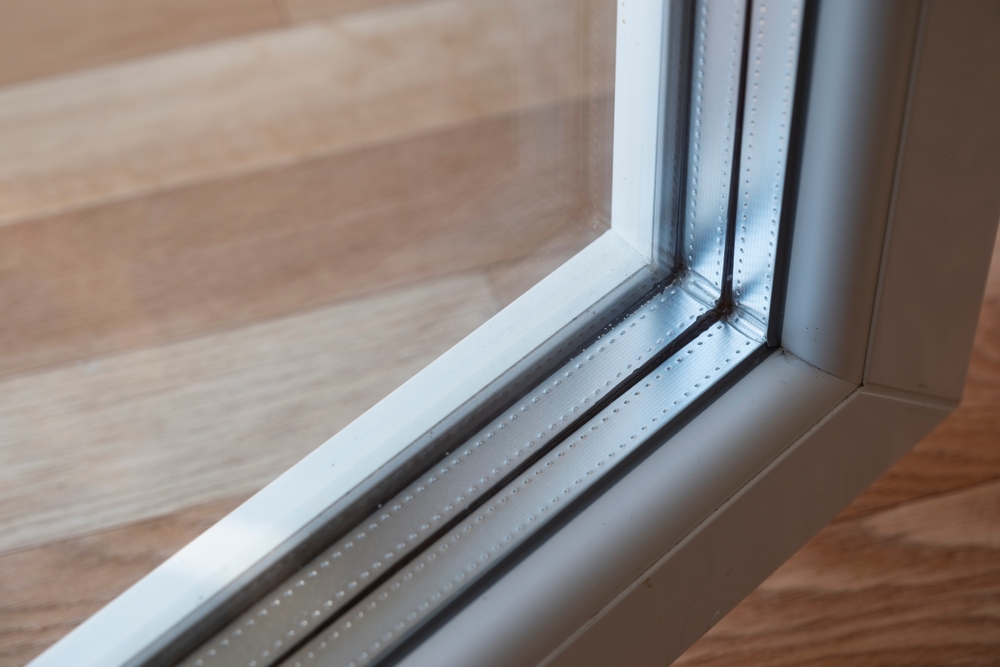
    triple glazing window frame

    Understanding Triple Glazing in Commercial Construction

    Triple glazing refers to a window system that uses three panes of glass separated by insulating gas-filled cavities, designed to enhance both thermal efficiency and acoustic insulation. In commercial construction, the choice of glazing impacts far more than aesthetics; it directly influences energy performance, occupant comfort, and operational costs. With Melbourne’s climate presenting cool winters and warm summers, builders are increasingly exploring whether the benefits of triple glazing outweigh its higher initial cost.

    The additional pane in a triple-glazed unit reduces heat transfer, helping to maintain a stable indoor temperature. This is particularly valuable in large office buildings, retail centres, or healthcare facilities where consistent climate control is essential. Reduced reliance on HVAC systems can lead to long-term savings, even if the upfront investment is higher.

    For commercial projects, triple glazing also offers improved soundproofing, which is a major consideration in dense urban areas or near high-traffic zones. By mitigating external noise, businesses can create more productive, comfortable environments. While double glazing remains the standard, triple glazing is emerging as a premium solution for projects prioritising sustainability, energy ratings, and occupant wellbeing, aligning with broader goals for greener, smarter commercial buildings.

    The Benefits of Triple Glazing for Commercial Buildings

    Triple glazing is often promoted for its superior thermal insulation, which can significantly reduce heat loss during Melbourne’s cooler months while also limiting heat gain in summer. For commercial properties, this means less reliance on artificial heating and cooling, lowering both energy consumption and operational expenses over the building’s lifespan. In a competitive property market, buildings that demonstrate energy efficiency can also attract higher-value tenants seeking lower running costs and improved comfort.

    Noise reduction is another important advantage. Commercial hubs are frequently located in high-traffic areas, close to roads, railways, or airports. Triple glazing provides excellent acoustic insulation, helping to create quieter indoor environments. For offices, healthcare facilities, and hospitality venues, this translates into enhanced productivity, better client experiences, and improved occupant wellbeing.

    In addition to comfort and efficiency, triple glazing supports sustainability initiatives by contributing to higher Green Star or NABERS ratings. With growing pressure for commercial builders to deliver environmentally responsible projects, glazing choices can play a key role in achieving compliance with energy performance standards.

    By combining sustainability, comfort, and long-term savings, triple glazing presents itself as a forward-thinking solution for many commercial projects.

    Eco-friendly green office

    The Costs and Challenges of Triple Glazing

    While the advantages of triple glazing are clear, the higher upfront costs can be a significant hurdle for many commercial projects in Melbourne. Compared to double glazing, the additional pane, specialised gas fills, and thicker frames make triple-glazed units considerably more expensive to manufacture and install. For developers and businesses, this means weighing long-term energy savings against the initial investment.

    The added weight of triple glazing can also pose challenges in construction. Heavier units require stronger window frames and may impact structural load considerations, particularly in high-rise commercial buildings. This can lead to increased material costs and, in some cases, longer installation times. Commercial builders must also account for the impact on façade design and ensure that the building envelope can support the system.

    Another factor is Melbourne’s climate. Unlike colder European regions where triple glazing is almost essential, Melbourne’s moderate conditions mean the performance benefits may not always justify the premium. In some situations, high-performance double glazing can achieve similar results at a lower cost.

    Ultimately, the decision comes down to project priorities. For developments focused on sustainability, energy ratings, and long-term operational efficiency, triple glazing may deliver value. However, for projects with tighter budgets, it may not always be the most practical choice.

    Comparing Triple Glazing with Double Glazing

    When considering is triple glazing worth it, the comparison with double glazing is essential. Double glazing remains the standard choice for most commercial buildings in Melbourne due to its balance of performance and cost-effectiveness. It provides solid thermal insulation, effective noise reduction, and compliance with the National Construction Code (NCC) requirements.

    Triple glazing, however, takes these benefits further by offering higher levels of energy efficiency and acoustic comfort. The additional pane and gas-filled cavity reduce heat transfer more effectively, making it particularly beneficial in energy-intensive facilities or high-noise environments. For commercial projects prioritising sustainability, this can help achieve stronger environmental credentials such as NABERS or Green Star ratings.

    The decision between double and triple glazing often comes down to budget and performance priorities. While double glazing is sufficient for many projects, triple glazing provides a premium solution where long-term efficiency and occupant wellbeing are paramount.

    Climate Considerations: Is Triple Glazing Necessary in Melbourne?

    When assessing is triple glazing worth it, Melbourne’s climate must be a key consideration. Unlike regions in Europe or North America where extreme winters make triple glazing almost essential, Melbourne experiences a relatively temperate climate. This means the insulation benefits of triple glazing, while valuable, may not always deliver the same return on investment as in colder environments.

    During winter, Melbourne does face cool temperatures, and triple glazing can help reduce heat loss, improving indoor comfort in large-scale commercial buildings. In summer, however, the city is more concerned with managing solar heat gain. This highlights the importance of window orientation, shading devices, and glazing coatings, which can sometimes provide similar efficiency outcomes without the added cost of a third pane.

    For many commercial projects, advanced double glazing combined with low-emissivity coatings and quality frame systems may offer a more cost-effective solution. These options can meet compliance standards under the National Construction Code (NCC) while still delivering strong thermal and acoustic performance.

    That said, in certain applications—such as hospitals, premium office towers, or developments pursuing top-tier Green Star ratings—triple glazing can still be justified. In these cases, the added insulation and noise control contribute to improved occupant wellbeing and long-term sustainability. Ultimately, understanding Melbourne’s climate profile helps determine whether triple glazing is a necessity or simply a desirable upgrade for specific projects.

    white window frame

    Sustainability and Energy Ratings

    Triple glazing contributes directly to improved sustainability outcomes in commercial buildings. By delivering higher levels of thermal insulation, it reduces reliance on heating and cooling systems, cutting overall energy consumption. This aligns with Melbourne’s growing focus on green building practices and the push for lower carbon emissions across the construction sector.

    For developers, the choice of glazing can influence formal certifications such as NABERS and Green Star ratings. These frameworks reward energy efficiency and resource conservation, both of which are strengthened through the use of triple-glazed systems.

    Sustainable design is not just about compliance but also about creating long-term value. Tenants and investors increasingly seek buildings that demonstrate environmental responsibility, and premium glazing solutions can enhance marketability. By combining reduced operational costs with improved sustainability credentials, triple glazing positions commercial developments as future-ready assets in Melbourne’s evolving property landscape.

    Is Triple Glazing Worth It?

    Determining whether triple glazing is worth it for commercial buildings in Melbourne depends on a combination of factors, including climate, building use, budget, and sustainability goals. For projects prioritising energy efficiency, acoustic comfort, and high environmental ratings such as Green Star, the added cost can be justified through long-term savings and improved occupant wellbeing.

    Triple glazing provides superior thermal insulation, reduces heating and cooling demands, and enhances acoustic performance in busy urban environments. It also supports compliance with the National Construction Code (NCC) and strengthens the overall sustainability profile of the building.

    However, for developments where budget constraints are tight or the climate is moderate, high-performance double glazing with Low-E coatings and thermally broken frames can achieve similar outcomes at a lower cost. Ultimately, commercial projects should assess the trade-offs between upfront investment and long-term benefits, considering both operational efficiency and occupant comfort when deciding whether to adopt triple glazing.

    Are You Looking for a Commercial Builder in Melbourne?

    If you need a commercial builder, get in touch with Lamble Builders. As experienced builders in Melbourne, we are proud to provide you with over 40 years of industry expertise in delivering outstanding commercial solutions.

    When you need a commercial builder, contact us at 03 5941 8135 or fill out our online contact form and we will get back to you.

    Frequently Asked Questions

    What is the difference between triple glazing and double glazing for commercial buildings?

    Triple glazing consists of three panes of glass with insulating gas fills, whereas double glazing has two. The extra pane in triple glazing provides better thermal insulation, improved acoustic performance, and can enhance energy efficiency for large commercial properties.

    Does triple glazing save enough on energy bills to justify its cost in Melbourne?

    Triple glazing can reduce heating and cooling demand, particularly in energy-intensive buildings. However, in Melbourne’s temperate climate, high-performance double glazing may offer similar energy savings at a lower upfront cost.

    How long does it take to see a return on investment for triple glazing?

    The payback period depends on building size, HVAC usage, and climate. For commercial buildings with large glazed façades, the return can take several years but may be justified by improved comfort and sustainability credentials.

    Is triple glazing beneficial for noise reduction?

    Yes, triple glazing significantly reduces external noise, making it ideal for offices, hotels, and healthcare facilities in busy urban areas.

    Are there regulatory requirements for triple glazing in commercial projects?

    While not mandated, triple glazing helps meet National Construction Code (NCC) energy efficiency standards and can support higher Green Star or NABERS ratings.

    Can triple glazing impact building sustainability and tenant appeal?

    Yes, it improves energy efficiency, occupant comfort, and can enhance the building’s environmental credentials, making it more attractive to tenants and investors.

  • Luxury Renovations: How a Heritage Overlay in Melbourne Can Transform Your Home

    Luxury Renovations: How a Heritage Overlay in Melbourne Can Transform Your Home

    Heritage overlay in Melbourne — a phrase that can excite or worry homeowners dreaming of transforming a character-filled house into a luxurious modern sanctuary. Melbourne’s most sought-after suburbs are dotted with charming Victorian, Edwardian and Federation homes, many protected by strict heritage overlays designed to preserve our city’s unique streetscapes. If you’re planning a renovation or extension, understanding how these overlays work is essential to avoid costly setbacks and to make the most of your property’s potential. With the right approach, building under a heritage overlay doesn’t have to be daunting — in fact, it’s an opportunity to blend timeless architectural beauty with modern comfort and style. In this guide, we’ll unpack what a heritage overlay means and how a luxury custom home builder can help you navigate it with confidence.

    Understanding Heritage Overlays

    A heritage overlay in Melbourne is a planning scheme used by local councils to protect the city’s architectural and cultural heritage. If you own a property covered by a heritage overlay, you will need to understand what this means before planning any renovations or extensions. Many homeowners assume that a heritage overlay and a heritage listing are the same thing, but they’re slightly different. A heritage overlay sits within the local planning scheme and usually applies to whole streetscapes or precincts, while a heritage listing, like the Victorian Heritage Register, is for places of state significance.

    When a heritage overlay applies, you’ll likely need a heritage planning permit in order to carry out any work that could change the external appearance of your home. This can include building extensions, replacing roofs, painting facades or even installing fences. Interiors are not always protected, but significant internal features might be, depending on the scope of the overlay.

    Working with a heritage architect or custom builder is often the best way to design changes that respect period details such as original brickwork, chimneys or verandas. A good plan will be able to balance heritage conservation with your vision for modern living.

    By understanding how overlays work early on, you will avoid frustration and make better decisions. This is where partnering with an experienced custom builder becomes invaluable, and will make the process smoother and more manageable.

    How Heritage Overlays Impact Homeowners

    If you are lucky enough to own a character-filled home under a heritage overlay, it is vital to understand exactly how it will shape your plans. Many homeowners underestimate just how detailed heritage controls can be. You will often need a council planning permit before you make any external changes, whether you’re adding an extension, demolishing part of the house or even making changes to a fence.

    Councils in Melbourne issue heritage planning permits to ensure that any proposed changes protect the streetscape’s historical value. This means renovations must respect original features such as rooflines, windows, brickwork or chimneys. If you ignore the overlay and renovate without permission, councils do have the power to issue fines or force costly reversals of unapproved works.

    Ultimately, a heritage overlay is not a brick wall blocking your dream extension. It is a framework that you must work within, but with the right approach, it can help you transform a historic building into a stylish home that respects Melbourne’s unique architectural story.

    night heritage overlay

    Challenges and Opportunities for Luxury Builds

    When building or renovating under a heritage overlay in Melbourne, homeowners can be daunted at first glance. The extra rules and approvals can seem restrictive, but when handled well, they open the door to creating a home that blends timeless beauty with luxurious modern living. Many of Melbourne’s finest custom renovations are found in suburbs covered by heritage overlays because they preserve a certain period charm that new builds can’t replicate.

    When a heritage overlay is well planned, architects can deliver results that respect original architectural features, from stained-glass windows to ornate verandas, while adding light-filled spaces, contemporary comforts and energy-efficient upgrades. This balance is what makes a luxury custom home stand out. It’s not about copying the past exactly, but it is about thoughtful heritage conservation paired with modern design solutions.

    Some owners fear that a heritage overlay limits creativity, but doesn’t have to be the case. In reality, the right luxury custom builder in Melbourne sees a heritage overlay as an opportunity to craft unique homes that honour history without sacrificing functionality. When done right, a heritage overlay can protect the character of your home while adding genuine long-term value.

    How a Custom Builder Adds Value

    When dealing with a heritage overlay, working with an experienced custom builder can make all the difference. A heritage project isn’t just about building — it’s about respecting decades, sometimes even centuries, of architectural history while giving homeowners the comfort and functionality they expect today. This is where a reputable custom builder becomes invaluable.

    A luxury builder skilled in heritage renovations knows how to navigate the complex layers of council permits and heritage requirements. They coordinate with trusted heritage architects and engage heritage consultants when needed. This careful collaboration streamlines the approval process, avoiding delays and unexpected costs.

    Beyond paperwork, a custom builder brings expert craftsmanship and an eye for detail that sets high-end heritage homes apart. Original cornices, leadlight windows or pressed metal ceilings can be restored or replicated with precision. Meanwhile, modern kitchens, bathrooms and living spaces are seamlessly integrated without compromising the character that makes these homes unique.

    A dedicated heritage home builder understands that every detail matters, from matching original brickwork to selecting timeless finishes. With the right builder by your side, a heritage overlay becomes an opportunity to create a one-of-a-kind luxury home that honours Melbourne’s rich architectural story.

    Looking to Renovate a Home with a Heritage Overlay in Melbourne?

    Owning a home under a heritage overlay in Melbourne doesn’t have to limit your dream of a beautiful, modern space. With careful planning, expert advice and a trusted luxury custom home builder you can respect the past while embracing the future. If you are ready to explore the possibilities for your heritage home, reach out to Lamble Builders and discover how simple and rewarding this process can be when you have the right team by your side.

    Get in touch with Lamble Builders at 03 5941 8135 or fill in our online contact form and we will get back to you.

    Frequently Asked Questions:

    Do I need council approval for a renovation under a heritage overlay in Melbourne?

    Yes — if your home falls under a heritage overlay, Melbourne councils generally require a planning permit for any external changes. This can include adding an extension, altering the façade, changing a roofline or even installing a new or driveway. Without the right approvals, you may face fines or be forced to reverse any works that you have done without approval – both a hit to your hip pocket. Getting a heritage planning permit is the first step to ensure your renovation complies with local heritage protections.

    Can I demolish a house that has a heritage overlay?

    Full demolition of a property with a heritage overlay is rarely approved unless you can prove that the building is structurally unsound or beyond reasonable repair. Even partial demolition is tightly controlled and usually requires strong justification and detailed reports from heritage consultants. If demolition is part of your plan, you must work closely with a heritage architect to present your case properly to council.

    What is the difference between a heritage overlay and a heritage listing?

    A heritage overlay is a local planning tool that applies to specific areas or streetscapes. It protects the external character of individual properties or entire precincts.

    Is renovating a heritage home more expensive than a standard renovation?

    A heritage renovation can in some cases be a larger investment, but this is because it demands additional approvals, more detailed design work, and often the use of specialist trades and materials. However, when done well, these costs can be an investment that adds considerable value and appeal to your property.

    Why should I work with a custom builder for a heritage renovation?

    A reputable custom builder for heritage projects brings deep experience navigating complex planning rules, working alongside heritage architects, and delivering a final result that blends history with modern comfort. This professional support ensures your vision is realised with respect for the past and confidence for the future.

    How long does it take to renovate a home with a heritage overlay?

    Renovating a property under a heritage overlay could take longer than a standard build because of the additional approvals that are required. Obtaining a heritage planning permit may add several weeks or even months to the timeline, depending on the complexity of your building plans and the responsiveness of your local council. Engaging an experienced heritage architect can speed up this process by ensuring your design aligns with planning rules from the outset. In addition, ensuring that you work with a skilled custom builder also helps keep the project on schedule once construction begins.

  • How Home Builders are Designing Luxury Custom Homes for Modern Australian Lifestyles

    How Home Builders are Designing Luxury Custom Homes for Modern Australian Lifestyles

    Today, home builders are creating luxury custom homes that are designed to be a reflection of the homeowner’s lifestyle, values, and aspirations. They are not only spaces to live, they are sanctuaries of comfort, hubs of creativity, and showcases of individuality. From coastal retreats to urban masterpieces, Australian luxury homes are increasingly defined by how well they adapt to and enhance the way people live. The rise of the lifestyle-centric home is a response to modern living trends, environmental awareness, and an increasing desire for personalised spaces. Here’s how these custom homes are being tailored to reflect the way Australians live today.

    Personalisation Beyond Aesthetics

    While high-end materials and architectural beauty are still hallmarks of luxury, the new benchmark is how intimately the home is tied to its owner’s way of life. Personalisation is no longer about choosing a marble benchtop or brass tapware, it’s about creating spaces that function intuitively and support everyday routines.

    For a family with young children, this could mean integrating play areas into shared living spaces or designing a kitchen that encourages togetherness. For a couple that loves to entertain, it might involve a seamless indoor-outdoor flow, a butler’s pantry, and ambient lighting that adapts to evening events.

    Indoor-Outdoor Living

    One of the defining features of modern Australian luxury homes is their ability to blur the line between indoor and outdoor living. With a climate that encourages year-round outdoor activity, it’s no surprise that many custom homes now feature expansive alfresco dining areas, outdoor kitchens, and open-plan layouts that lead effortlessly into landscaped gardens.

    Large sliding or bi-fold doors, retractable roofs, and covered patios are becoming standard inclusions in custom designs. These spaces aren’t just aesthetic, they’re functional extensions of the living room, often with integrated fireplaces, weatherproof audio systems, and even pools designed for entertaining. The result is a home that encourages relaxation and connection with nature.

    Multi-Functional Spaces

    Another trend driving luxury custom home design is the creation of multi-functional spaces. As more Australians work from home or embrace flexible lifestyles, dedicated home offices, creative studios, and wellness areas have become essentials.

    The beauty of a custom home is the ability to design with flexibility in mind. A study can double as a guest room with a hidden Murphy bed; a garage might include a built-in gym or wine cellar. These thoughtful additions ensure the home can evolve with its occupants, supporting different life stages and needs.

    Wellness and Mindful Design

    Health and wellbeing are becoming increasingly influential in the design of luxury homes. Beyond fitness rooms and saunas, there is a greater focus on passive design principles, homes that use orientation, insulation, ventilation, and thermal mass to naturally regulate temperature and light. Natural materials such as timber and stone are chosen not only for their visual appeal but for their tactile and calming qualities. Spaces are flooded with daylight through skylights and oversized windows. Air quality is enhanced with advanced filtration systems and cross-ventilation. All of this creates an environment that supports both physical health and mental wellness.

    Sustainability with Style

    Modern Australian luxury homes are increasingly embracing sustainability without compromising on elegance. Builders and architects are selecting energy-efficient fixtures, thermally broken windows, and locally sourced materials to reduce carbon footprints while maintaining aesthetic appeal.

    Green roofs, rainwater tanks, double glazing, and solar panels are now commonly integrated into custom designs. The emphasis is on long-term efficiency and comfort. A truly luxurious home, after all, is one that is both beautiful and responsible, designed to last generations while minimising its environmental impact.

    Embracing the Landscape

    Australians have a unique relationship with the land, and luxury homes often pay homage to the surrounding environment. Whether perched on a clifftop, nestled in the bush, or overlooking a city skyline, custom homes are being designed to maximise views and complement the natural terrain.

    Architectural elements like rammed earth walls, native gardens, and organic shapes help anchor homes in their environment. Floor-to-ceiling glazing and elevated platforms provide panoramic outlooks without disturbing the natural topography. It’s about working with the landscape, not against it.

    Celebrating Craftsmanship

    Finally, what truly sets a luxury custom home apart is the emphasis on quality craftsmanship. Australians increasingly value handmade over mass-produced, and local artisans are playing a major role in custom home design.

    Whether it’s a custom staircase made by a local joiner, bespoke stone masonry, or handcrafted furniture, these details bring soul and authenticity to a home. They are a celebration of skill, passion, and individuality, elements that no volume-built home can replicate.

    Are You Ready to Build a Luxury Custom Home?

    If you are interested in building a luxury custom home of your own, look no further than Lamble Builders. We are experienced in building custom homes and are ready to help you to make your dream into a reality.

    Partner with Lamble Builders by contacting 03 5941 8135 or by filling out our online contact form and we will get back to you.

  • What to Know Before Building Your Luxury Custom Home: Avoiding 6 Common Pitfalls

    What to Know Before Building Your Luxury Custom Home: Avoiding 6 Common Pitfalls

    Building your luxury dream home is one of the most rewarding and exciting ventures you can undertake. It is a chance to create a space tailored entirely to your lifestyle, tastes, and long-term goals. However, with such a significant investment—both financially and emotionally—comes the need for careful planning and strategic decision-making. Across Australia, the demand for luxury custom homes continues to grow, but so too do the challenges that can arise during the building process. This month, we explore five of the most common pitfalls of building luxury custom homes – and how to avoid them – so that you can bring the home of your dreams to life smoothly.

    1. Lack of a Clear Vision and Brief

    One of the first—and most critical—steps in building a luxury home is developing a clear and detailed brief. Without it, the process can easily become unfocused, leading to delays, miscommunication, and design compromises.

    Your brief should clearly outline your must-haves, lifestyle needs, preferences, and priorities. Think about how you live now and how that might change over time. Will you need space for a growing family? Do you want areas for entertaining? Are you envisioning a wellness retreat, a high-tech home office, or an art gallery wall? These considerations will influence everything from the floor plan to material choices.

    Working with an experienced custom home builder can help you articulate your vision. They can also flag inconsistencies or unrealistic expectations early, saving you from issues down the track.

    2. Ignoring Site-Specific Factors

    Every block of land is different—and failing to consider your site’s specific conditions can lead to major issues later. Factors like orientation, slope, soil quality, access, and local council regulations all influence design and construction. In Australia, where the climate can vary dramatically across regions, orientation is particularly important. A well-designed home will take advantage of natural light and passive heating and cooling, helping to reduce your energy consumption and improving comfort within the home.

    Engaging your builder early for a thorough site analysis will ensure your home is designed to suit both the environment and the landscape. This might mean adjusting window placement, incorporating natural shading, or planning retaining walls.

    3. Overcomplicating the Design

    Luxury doesn’t necessarily mean excessive or complicated. In fact, some of the most sophisticated homes in Australia are defined by their simplicity, flow, and functionality. Trying to include too many features or trends can lead to a disjointed, cluttered home that feels overwhelming rather than luxurious.

    Instead, we recommend that you focus on timeless design principles: balance, proportion, and cohesion. In addition, prioritise high quality materials and classic finishes over more ‘trendy’ embellishments that may date quickly. Your home should reflect you – your lifestyle, preferences, and personality – not simply what is trending right now.

    4. Not Planning for the Future

    A common oversight when building a dream home is designing only for the present. While it is important to meet your current needs, it’s equally crucial to consider how your circumstances might change.

    Think long-term: will you want a guest suite or multi-generational living area? Could your children or elderly relatives eventually live with you? Will your home remain accessible as you age? Incorporating flexible spaces, wide doorways, and single-level living zones can help future-proof your home without compromising on luxury.

    5. Trying to Rush the Process

    Luxury does take time. Rushing decisions or trying to fast-track your build can lead to compromises that affect the final result. Whether it is choosing finishes too quickly or trying to push your builder to meet unrealistic deadlines, haste can often lead to regret.

    Plan for adequate time in each stage of the process—from design and approvals to construction and final fit-out. This not only ensures a higher-quality result but also allows you to enjoy the journey rather than feel overwhelmed by it.

    6. Choosing the Wrong Builder

    Your choice of builder is perhaps the most important decision you’ll make. A luxury home requires a high level of craftsmanship, attention to detail, and a collaborative approach. Not every builder has the experience or the expertise to deliver this.

    Look for a custom builder with a strong portfolio of luxury homes and client testimonials. Ask about their process, communication style, and the subcontractors they work with. Do they take time to understand your vision? Are they transparent about timelines and costs? Are they responsive to your questions?

    In Australia, make sure your builder is fully licensed and insured. Check with your state’s building authority to verify their credentials. A reputable builder will also be happy to show you previous projects from past clients.

    Are You Ready to Build a Luxury Custom Home?

    If you are looking to take the first step towards the luxury custom home of your dreams, look no further than Lamble Builders. We are proud to offer you exceptional custom residential and commercial building solutions, backed by over 40 years of industry experience.

    Contact us at 03 5941 8135 or fill out our online contact form and we will get back to you.

  • 4 Sustainable Design Ideas for Luxury Custom Homes

    4 Sustainable Design Ideas for Luxury Custom Homes

    Building a luxury custom home means that you can bring your dream home to life. It also means that you have a high level of control over the design, build, and the finished product, and allows you to make decisions to customise your home down to the smallest details. One important consideration is sustainability, and making your home an eco-friendly one. When it comes to sustainable homes, there are many benefits for both you as a homeowner, as well as for the world around you. That’s why we have rounded up this list of simple ways to incorporate sustainability into your design and build: so you can end up with an eco-friendly home that will be good to you and the environment for years to come.

    luxury custom home interior

    Embrace Passive Design

    Passive design is an important concept when it comes to building and sustainability. There are several components to passive design, but put simply, this concept means to work with a local climate to maintain and regulate a comfortable temperature within a home. Features such as insulation, window glazing, and passive heating and cooling all work together to deliver eco-friendly results year-round such as lower greenhouse gas emissions.

    One feature of passive design is passive heating, which is the process of trapping heat from the sun inside the home. This is primarily achieved by designing a home to include north-facing windows, and include living areas on the north side of the home. On the other hand, passive cooling means to use design principles like shading, insulation, and window placement to prevent heat gain and increase heat loss.

    Other components of passive design include proper and effective insulation and window glazing, among others. The important thing to remember is that all of the different features of passive design interact and work together to contribute to an overall more eco-friendly home.

    Utilise Renewable Energy

    The first thing to consider when it comes to renewable energy for custom homes is solar power. Investing in solar panels is an eco-friendly, sustainable way to generate electricity for your home, and when it comes to designing a custom home, you will be able to design with solar power in mind. This means that you get to maximise energy generation through panel placement, and potentially significantly decrease the energy consumption of your finished home.

    In addition, you can also consider choosing a green energy supplier as one of the ultimate ways to ensure that your custom home is sustainable. 

    Choose Energy Efficiency

    There are many ways that you can incorporate energy efficiency into your home. First, consider your choice of appliances for your new home. According to Energy.gov.au, household appliances account for approximately 30% of home energy use. This means that when it comes to selecting new appliances for your new home, you should pay close attention to the Energy Rating Label. This system allows you to easily compare the energy efficiency of different appliances and models. The star rating is a simple visual indicator – the more stars, the more energy efficient, meaning the product will use less energy and save you more on your energy bill.

    In addition, another great way to maximise energy efficiency is to carefully consider the lighting in your home. Energy efficient light globes are widely available and use approximately 80% less energy than regular globes. These LED globes even have a longer lifespan than the old-style of globe, which is better for your hip pocket, and means less time spent replacing light globes.

    Build With Sustainable Materials

    When it comes to sustainability and custom homes, choosing eco-friendly building materials is one of the ultimate things to consider. Building your new home using natural and sustainably sourced materials is a fantastic and effective way to contribute positively to the environment, and make your house an eco-friendly one. Utilising these sustainable materials will mean collaborating and working closely with your custom builder, as they will be in charge of sourcing the eco-friendly supplies for your custom build. This collaborative relationship starts with choosing the right custom builder for you, and should be based on a shared vision for sustainability, as well as for the design and build of your new home.

    Are You Ready to Build Your Luxury Custom Home?

    If these tips have you ready to start moving forward with your luxury custom home, then look no further than S&B Lamble Builders. Whether you are ready to plan, design, or build the new custom home of your dreams, then we are here to help. We are backed by 35 years of industry expertise, and are proud to bring you stunning custom solutions to all your residential needs.

    When you need a professional custom home builder, contact us at 03 5941 8135, or fill out our online contact form, and we will be happy to get back to you. 

  • 5 Benefits of Building a Custom Home

    5 Benefits of Building a Custom Home

    When it comes to building new homes, there are so many benefits to building a custom home. Whether you are ready to start designing and building a new house, or are dreaming of just that, keep reading to discover the greatest advantages to making your new home a custom one. Consider the luxury of having control over every feature of your new home, and the peace of mind you will have knowing that you’re getting the best quality craftsmanship. Keep reading to discover even more benefits of custom homes, and the importance of choosing the right custom home builder.

    custom home

    You Have More Control

    That’s right, when you decide to build a custom home, you get to make the decisions – it’s all about customising your home to your tastes after all! This means that you get to choose everything that goes into your home – from the big picture details like the floor plan, all the way to features and fixtures like lighting, cabinetry, and colour palettes. When you design and build a custom home, you have greater control over the final product – your dream home. You bring the ideas, and the right custom builder will help to bring them to life. The only limit to your creativity is your imagination.

    You Are in Control of the Budget

    When it comes to building a custom home, another of the great benefits is the fact that you can also have greater control over your budget. You can make the decisions about every fixture and feature, every design element, every aspect of the floor plan, and even the building materials themselves. This means that you have control over what is spent on each of these elements, and you can choose how your budget gets allocated. This gives you much greater flexibility when it comes to the budget, that generally isn’t possible when it comes to a standard build.

    You Can Really Express Your Sense of Style

    With a custom home, you have so many opportunities to put your personality and personal style into your home. That’s the beauty of custom-built homes. From the floor plan to the materials used for the build, all the way down to design features – all of these can reflect your style.

    Again, you are only limited by your imagination when it comes to stamping your new home with your personal style. Think: paint colours, lighting fixtures, window placement and treatments, kitchen layout, built in cabinetry, skirting boards and architraves, flooring – you can make all these decisions and more with a custom home.

    This means that your finished home will be personalised to you and your sense of style, rather than a cookie-cutter home designed by someone else. What better way to ensure that you feel at home in your new house?

    You Can Design an Ultra Functional Home

    A custom-built home is a home that is personalised and customised to you and your tastes. Whether you are building your first home, or your dream family home, when you choose custom built, you can design a house with the ultimate functionality for your situation. Every family is unique, and your custom home can be just as unique as your tastes, preferences, and needs.

    For example, if you have a young family, a large entertainers kitchen may be a priority, while for a single homeowner or a retired couple, this may not be something that you need. Perhaps you need plenty of spaces for relaxing, or spending time together as a family, or a certain number of bathrooms and bedrooms.

    Whatever you unique situation, with a custom home, you can ensure that your new house is designed exactly to your specifications and needs. This means that you will end up with an ultra-functional home which you and your family can use exactly as you need.

    You Can Be Assured of Quality

    When you choose to build a custom home, this means that you will need to choose a professional custom builder. When you choose the right builders with proven expertise and experience, you can rest assured that you everybody involved in the process of building your new home has quality in mind.

    Custom builders are concerned with the very best quality every step of the way – from the products and materials being used, to the tradespeople carrying out the work on your house. So, choosing to build a custom home with the right builder can give you peace of mind that you are getting the best quality design and craftsmanship for your new home.

    Do You Need Custom Home Builders?

    Look no further than S&B Lamble Builders for all your custom home needs. If you are dreaming of or planning for a new custom home, then we are here to help you to make your dream a reality. We are proud to offer you stunning custom solutions to all your residential and high-end commercial building needs, alongside exceptional customer service. Backed by 35 years of industry expertise, we thrive providing incredible custom services.

    When you need custom home builders, contact us at 03 5941 8135, or fill out our online contact form and we will be happy to get back to you.

  • 4 Spaces That All Luxury Custom Homes Need

    4 Spaces That All Luxury Custom Homes Need

    As luxury custom home builders, here at S&B Lamble Builders, we strive to keep on top of the ever-changing and always-evolving trends for luxury homes. This month, we are going to be focussing on the spaces that every luxury home needs in 2022 and beyond. 

    Are you looking to build a luxury custom home? Are you in the process of planning, or designing your own personal slice of luxury?  Maybe you’re looking for design ideas for your luxury renovation or building and need some inspiration.  Keep reading to find out about all the different spaces that all luxury homes need, and where to find a luxury home builder in Melbourne.

    A lavish kitchen in a luxury custom home

    A Beautiful Luxury Kitchen

    We’ve all heard the cliché the kitchen is the heart of the home, but here at S&B Lamble, we believe that it’s one cliché that rings true. The kitchen truly is the centre of your home; it’s a hub of activity, togetherness, and connection.

    There’s one thing that will never go out of style when it comes to building and design: a stunning, luxury kitchen. While trends in colour palettes and fixtures will continue to drift in and out of fashion, the kitchen will continue to be the heart and soul of your home for decades to come.

    So, what makes a kitchen luxurious? Luxury kitchens are synonymous with sleek and elegant design and planning, and everything you could want or need from a kitchen at your fingertips. Think: dishwasher drawers, French door fridges, wine, and drink coolers, and sparkling water at the touch of a button. Add to that, masterfully created cabinetry, a spacious island, and a variety of high-end finishes, and you’re on your way to a luxury kitchen!

    Your luxury kitchen is what you make it, as is your luxury home – that’s the beauty of designing and building a custom home! For some more inspiration, check out our guide to luxury kitchens. The sky is the limit when it comes to kitchens – especially luxury ones, so you can let yourself see where your imagination takes you, with the help of a custom builder like S&B Lamble Builders.

    The High-Tech Space

    Luxury custom homes are often characterised by technology and high-tech features, and in 2022, high-tech rooms or spaces are in the floor plans of more and more custom homes. What could be more luxurious than intuitive technology at your fingertips that can not only make your life easier, but entertain you, and maybe even inspire you, too?

    Your high-tech space could take the shape of a cinema-quality movie room, a gaming space with all the latest consoles and equipment, or maybe even a state-of-the-art fitness room. Whatever type of technology your heart desires, with the help of a luxury custom home builder, these dreams can become a reality. Find out more information about high-tech spaces, home automation and smart homes.

    A Spacious Walk-In Robe

    Does anything say luxury more than a dedicated room for your clothing, footwear, and accessories? The walk-in robe is the epitome of luxury, and much like every other room in your custom home, it can be customised to suit all your needs and tastes.

    Whether you want a modestly sized, but well-fitted beautiful walk-in robe, or if you need a stunning, dedicated room for your wardrobe, (or somewhere in between!), all of this is possible.

    As in all custom homes, high-end fixtures and features play a large role, such as custom cabinetry, floor coverings, and furnishings. You can even incorporate technology into your walk-in robe and transform this into a high-tech space too!

    An Outdoor Living Area

    Finally, we come to the great outdoors, and what could be more luxurious for your outdoor space than a dedicated outdoor living area? Every custom home needs a beautiful, landscaped, and lavish outdoor living space – an area to enjoy the beautiful Aussie weather and relax and connect with loved ones. 

    Think of balmy summer evenings spent with friends, the sizzle of the barbeque mingling with the buzz of cicadas. Imagine, Winter nights huddled around your raised fire pit with your family, Christmas lunches under the pergola, and a few lazy laps of your very own pool each morning.

    All of this and more can become a reality in your luxury custom home if you can imagine it!

    Looking for a Luxury Custom Home Builder?

    Look no further than S&B Lamble Builders. With 35 years of industry experience, we pride ourselves on providing exceptional customer service and outstanding custom-building solutions. When it’s time to choose a luxury home builder in Melbourne, call us at 03 5941 8135, or fill out our online contact form, and we will get back to you.

  • From Concept to Reality: What is the Custom Home Building Process?

    From Concept to Reality: What is the Custom Home Building Process?

    Building the perfect custom home is a dream that many aspire to, and if you are one of those people who hopes to make this dream a reality, then knowing the intricacies of the process is useful. This month’s article will take you through the custom-building process, from the initial concept to the final walkthrough. This custom journey can be a fascinating adventure, though it can be full of challenges too. We believe that unveiling the custom home building process for you will arm you with the knowledge you need to start this process, and prepare you for any issues you may encounter along the way. Keep reading to discover where to find a professional custom home builder when you are ready to start your custom build.

    custom home builders plan

    1: Dream and Inspiration: The Conceptualisation Stage

    The custom-building journey begins with an idea, a dream. You must first envision the kind of home that you want to live in – a home that reflects your personality, suits your lifestyle, and meets all the needs of you and your family. This is the time to gather inspiration from everywhere that you can: magazines, websites, and the architectural styles of the homes around you. At this point, you can also work with a designer or an architect who can help you to not only refine your vision, but determine what is possible in terms of your budget.

    2: Budgeting and Financing

    Next up, it’s time to consider the budget. You must establish a realistic budget for your custom home before you can move onto the next stages of the process. In order to do this, there are several factors that you must take into account such as, construction costs, permit expenses, design fees, and landscaping. In addition, it is also a great idea to include a contingency fund that will come in handy for unexpected costs that can crop up through the  building process. After you have decided on your budget, you will next need to secure financing for your custom project. This could be a mortgage, a construction loan, or a combination of both.

    3: Design and Planning

    Now is the stage where your dream begins to take shape – at least on paper. You will need to work closely with architects and designers to create plans for your home. This part of the process will include deciding on the architectural style for your home, the overall layout, the size of each room, and selecting the materials and the finishes. This is also the time to ensure that your build will comply with all the appropriate building codes and regulations.

    4: Permits and Approvals

    Building a custom home will require you to obtain various permits and approvals from local authorities. These include zoning permits, environmental permits, and building permits. While this step can be time-consuming, it is a crucial step to ensuring that your home is constructed legally and safely.

    5: Pre-Construction Preparation

    Before construction can begin, there are important pre-construction tasks that must be carried out. These can include clearing the site, preparing the foundation, and ensuring that utility connections are in place. Now is also the time to finalise contracts with your custom builder as well as any subcontractors.

    6: Construction Commences

    It’s finally time to break ground! This starts with laying the foundation, followed by the construction of the frame. Next up is roofing, exterior walls, and windows. This phase usually moves pretty quickly, meaning that you will likely see your home’s basic structure start to take shape soon!

    7: Installation of Systems

    After the structural elements are in place, it’s time to install systems like electrical, plumbing, ventilation, heating, and cooling.

    8: Interior and Exterior Finishes

    Next, the attention turns to the finishing touches like insulation, plasterboard, flooring, cabinetry, and paint. Now is when your design choices really come to life, and the personality of your home starts to shine.

    9: Inspections and Quality Control

    There will be various inspections occurring throughout the different stages of the construction process, which review the work and ensure that it complies with necessary codes and regulations. Additionally, your custom builder will also conduct quality control checks that make sure that everything is up to standard.

    10: Final Walkthrough and Closing

    As the construction nears completion, you will conduct a final walkthrough of your new custom home. This is your opportunity to inspect every aspect and ensure that it meets your expectations. If you have any issues or concerns, they should be brought up, addressed, and resolved at this stage. Once you are happy, there is nothing left to do but close, receive the keys, and move into your dream home!

    Are You Looking for a Custom Home Builder?

    If you have been inspired by learning about the custom-building process and need a custom home builder, look no further than S&B Lamble Builders. When it comes to planning a custom build, you need to partner with a trusted and experienced builder who can ensure that your dream home becomes a reality.

    When you need a professional custom builder, contact us at 03 5941 8135 or fill out our online contact form, and we will happily take care of your enquiry!

  • Christmas Decor Guide 2024: 6 Luxury Christmas Decorating Ideas for Custom Homes

    Christmas Decor Guide 2024: 6 Luxury Christmas Decorating Ideas for Custom Homes

    As Christmas fast approaches, it is once again time to start thinking about those traditions that really mark the season for you and your family. For many, decorating for Christmas kickstarts the holiday period and if you are looking for some inspiration for decking the halls, you have come to the right place. Welcome to our 2024 guide to Christmas décor, where we show you the latest festive decorating trends for luxury custom homes. Keep reading to discover the trends that will define this year’s holiday season, and let us help you to bring some Christmas magic into your home.

    luxury custom home

    Maximalist Christmas

    Say goodbye to the minimalist Christmas trends of the past few years and say hello to a maximalist Christmas. This trend can also be known as vintage or traditional Christmas and is a call-back to the decorations of past Christmases. This means a step away from minimalism, neutrals, and carefully coordinated colour themes and embracing an eclectic mix of decorations, bright colours, and leaning towards the warmth and vibrancy of Christmases past. Think: glowing multicolour lights on the tree, baubles in every colour of the rainbow, and gleaming tinsel strewn around the tree and each room. Designed to surround you in glittering Christmas cheer, this is one Christmas trend that will fill you with the magic of the season, and a healthy dose of nostalgia too.

    Pastel Candyland

    Create a Candyland of your own with a pastel theme for your Christmas décor. Gentle pinks, blues, greens, and yellows adorn your tree, while gorgeous pastel-coloured bunting and garlands bring warmth and a sense of wonder to the rest of your home. Embrace the sweetness of this theme with plenty of frosted and candy inspired decorations too!

    Bows and Ribbons Galore

    Following on from the bows trend we have seen for accessories this year, we present the bows and ribbons Christmas trend. Picture Christmas trees adorned with bows of all sizes; colour coordinated to match whatever your theme is. Bow garlands, bow Christmas toppers, bow tree decorations, and bow table adornments. This is a very current and on-trend decorating tip, one for the fashion-forward trendsetters to try out this Christmas season.  

    Handmade Decorations

    Put your own unique spin on your Christmas decorations this year by embracing handmade décor. From handmade felt decorations to good old-fashioned paper chains, this is one trend that lets you show off your creativity and get in touch with your crafty side. We can recommend hosting a ‘Christmas crafting night’, where you gather with family or friends to work on your creations together, complete with Christmas music and Christmas snacks. Afterwards, enjoy the decorations you have created knowing the love and work that went into them. This is also one trend that can be as cheap and cheerful as you want to make it, so it is a way to add to your Christmas décor on a budget!

    Metallic Chic

    Put your own spin on the ever-popular metallic theme this year with metallic chic – and the tip for this year is to mix your metals. This sophisticated theme will bring a touch of glamour to your home this Christmas and 2024 sees gold, silver, brass, and rose gold being used in conjunction with each other to ensure that your home is gleaming and glittering from every angle. If you are after a more minimalist Christmas vibe, this is one trend that might be for you – focus in on those metals and enjoy a classy and elegant result.

    A Cosy, Country Christmas

    Following on from the cottage-core trend that have been seen in 2024, a lot of countrified and cosy Christmas décor is making an appearance this year, too. This is one theme that you can really make your own, with the main part of the brief being simply: cosy, whatever that means to you. Inspired by the warmth and comfort of country living, the trend includes lots of warm neutrals and natural elements, along with pops of deep forest green and traditional red. Glowing candlelight, washes of white and lots of festive greenery add the cosiness, bringing a cottage-core country Christmas into your home this season.  

    Are You Interested in Building a Luxury Custom Home?

    Look no further than S&B Lamble Builders. We know that when it comes to building a custom home, you want someone with the experience and expertise to bring your dreams to life. Whether you have been inspired by our Christmas décor guide, or you have been dreaming of and planning a custom build for some time, we would be happy to help. Plus, we are experienced commercial builders, ready to assist with your commercial building needs.

    When you need custom builders in Melbourne, contact us at 03 5941 8135 or fill out our online contact form and we will get back to you.