Tag: custom home builder

  • Custom Home Building Timelines: How Long Does it Take to Build a Custom Home?

    Custom Home Building Timelines: How Long Does it Take to Build a Custom Home?

    Understanding the custom home building timeline is one of the most important steps in turning your dream home into reality. Whether you’re envisioning a contemporary coastal retreat or a luxury urban residence, knowing what to expect at each stage helps you plan with confidence and clarity. Unlike a standard build, a custom home requires a personalised approach, where every detail, from the initial concept to the final handover, is shaped around your lifestyle and vision. Partnering with an experienced builder ensures the process stays on track and transparent, even when navigating council approvals or design changes. A specialist custom home builder brings precision, craftsmanship, and collaboration to your residential project. By understanding the full timeline, you can make informed decisions, anticipate key milestones, and enjoy the exciting journey of creating a truly one-of-a-kind home.

    Understanding the Custom Home Building Timeline

    Before diving into the design and construction process, it’s essential to understand what a custom home building timeline actually involves. Unlike pre-designed or volume-built homes, a custom home project is tailored to the homeowner’s specific requirements, preferences, and site conditions. This level of personalisation means that every phase – from concept design to completion – must be carefully planned and managed.

    The average timeline for building a custom home in Australia can range from 10 to 18 months, depending on factors such as design complexity, council approvals, weather conditions, and site accessibility. During this period, several key milestones occur, including design development, building permits, site preparation, and the construction phase itself.

    It’s important to note that delays can occur due to supply chain issues, design modifications, or unforeseen ground conditions. However, with transparent communication and professional project management, your builder can ensure each stage flows efficiently.

    Phase One: Design and Planning (3–6 Months)

    The design and planning phase is the foundation of any successful custom home building timeline. This stage sets the direction for the entire project, ensuring your vision aligns with practical considerations such as budget, site conditions, and local building regulations. Working with an experienced commercial builder in Melbourne or a specialist custom home builder can make this process more efficient and enjoyable.

    During this stage, homeowners collaborate closely with architects, designers, and engineers to bring their ideas to life. The process includes concept drawings, design refinement, and finalising detailed plans that comply with the National Construction Code (NCC) and relevant local council requirements. It’s also the time to make early selections for materials, fittings, and finishes – decisions that can influence both cost and construction timeframes.

    Once the design is finalised, the builder will prepare documentation for council approval and building permits. These approvals can take several weeks to several months depending on your local council’s workload and the project’s complexity. Delays at this stage are common but manageable with proper planning and communication.

    By the end of the design and planning phase, you’ll have a clear roadmap, fixed cost estimates, and an approved design ready for construction. This detailed preparation is crucial for minimising disruptions later in the build, ensuring the project progresses on schedule and within budget.
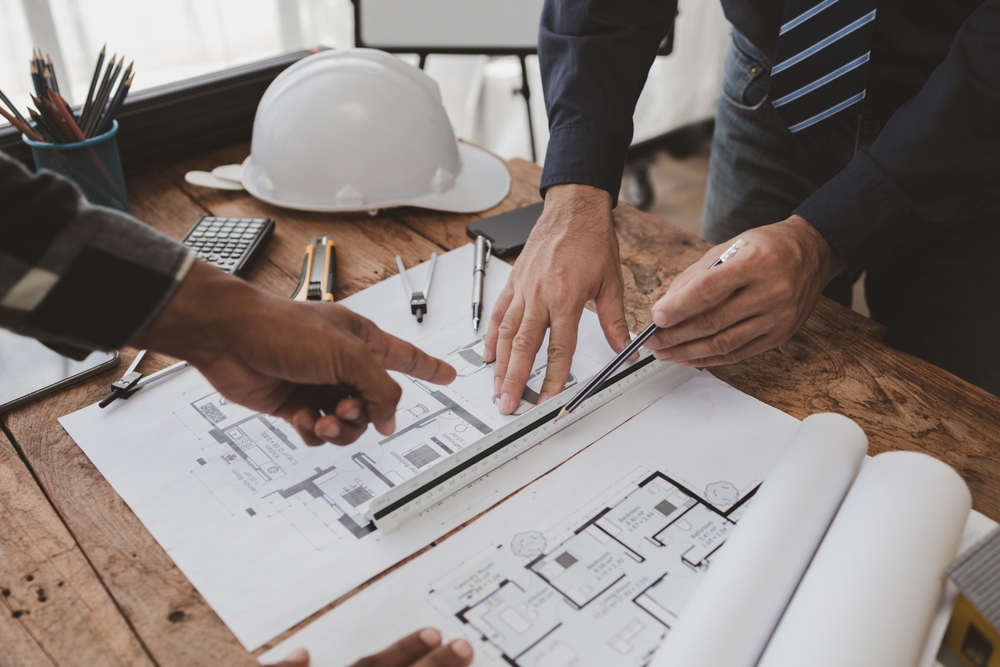
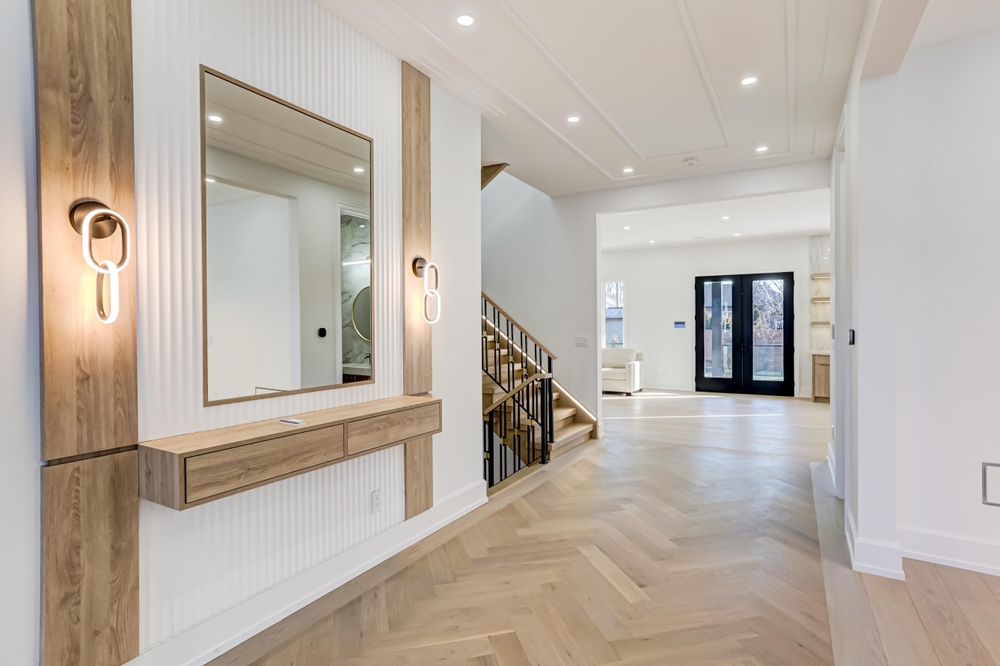
    custom home building plan

    Phase Two: Site Preparation and Approvals (1–2 Months)

    The site preparation phase marks the start of physical progress in your custom home building timeline. After the design and documentation are finalised, your builder coordinates the essential groundwork that prepares the site for construction. This includes clearing vegetation, levelling the land, setting out boundaries, and organising connections for water, electricity, and drainage systems. Proper site preparation ensures a stable foundation and prevents costly issues during later stages of the build.

    At the same time, your custom builder will finalise building permits, insurance, and any other necessary council approvals. These steps are crucial for compliance with local regulations and the NCC particularly if the property has unique conditions such as easements, sloping blocks, or heritage overlays.

    During this stage, soil testing and surveying may also be conducted to confirm ground stability and determine the appropriate footing system for your new home. Any unexpected findings, such as poor soil quality or drainage issues, may extend this phase slightly but are essential for long-term structural integrity.

    By the end of this phase, the site will be fully prepared and compliant, ready for the construction phase to begin. Strong preparation at this point lays the groundwork for a smoother and more efficient build.

    Phase Three: Construction and Building Progress (6–12 Months)

    The construction phase is where your vision becomes a tangible structure, marking the most active part of the custom home building timeline. Once site preparation is complete, your builder begins work on the foundation, framing, roofing, and exterior walls, ensuring every stage complies with engineering standards and safety codes.

    During this time, the structural frame – often steel or timber – is erected, followed by brickwork, windows, and insulation. The home’s skeleton starts to take shape, revealing room layouts and design flow. Once the structure is sealed, trades such as electricians, plumbers, and HVAC specialists begin their work installing wiring, pipes, and ventilation systems.

    Interior work follows, including plastering, flooring, cabinetry, and painting, which gives the space its personality. Regular site inspections are conducted to ensure progress aligns with your contract and quality standards.

    This stage can vary significantly depending on factors like weather conditions, custom design complexity, and material availability. Effective communication with your custom builder during this phase helps maintain realistic timelines and manage expectations.

    By the end of construction, your home will be structurally complete, with all major systems installed, leading into the exciting final stage – handover and finishing touches.

    Phase Four: Final Inspections, Handover, and Moving In (1–2 Months)

    The final phase of your custom home building timeline is where your dream home is officially brought to completion. Once construction is finished, your builder conducts a series of final inspections to ensure the home complies with all building codes, safety standards, and contract specifications. This includes checks on electrical systems, plumbing, insulation, and structural integrity.

    A practical completion inspection (PCI) allows you, the homeowner, to walk through the property with your builder and identify any defects or areas needing touch-ups. It’s an essential step before handover, as it guarantees the home meets the agreed design and quality expectations.

    Once all minor rectifications are complete, the handover process begins. You’ll receive keys, warranties, manuals, and compliance certificates for all installed systems.

    Moving in marks the culmination of months of planning and coordination. However, it’s also a time to familiarise yourself with home maintenance responsibilities to protect your investment. A reliable custom home builder will often schedule a follow-up visit to address any post-construction issues, ensuring your new home performs as beautifully as it looks.
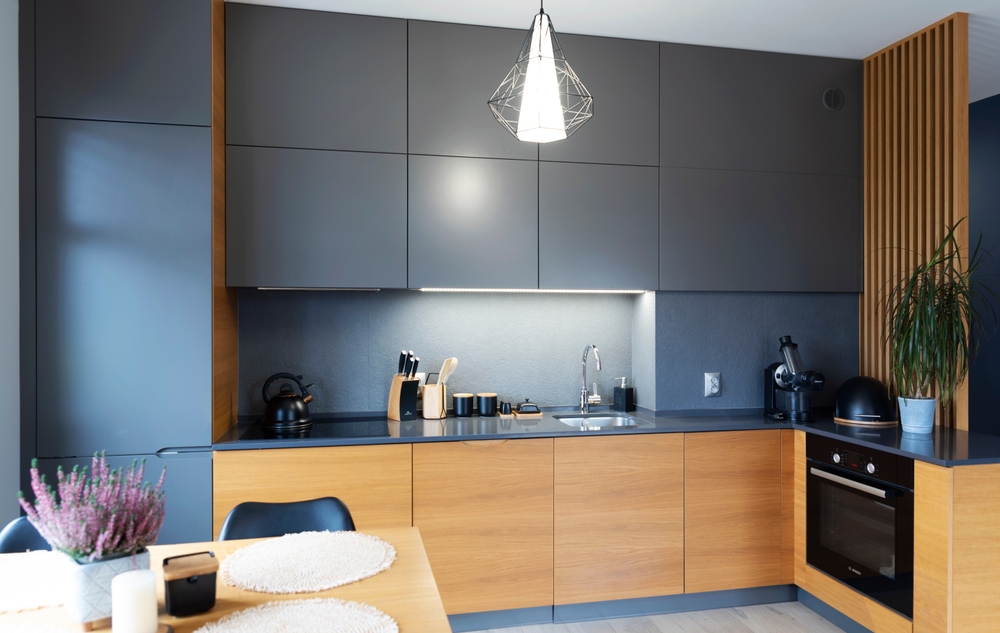
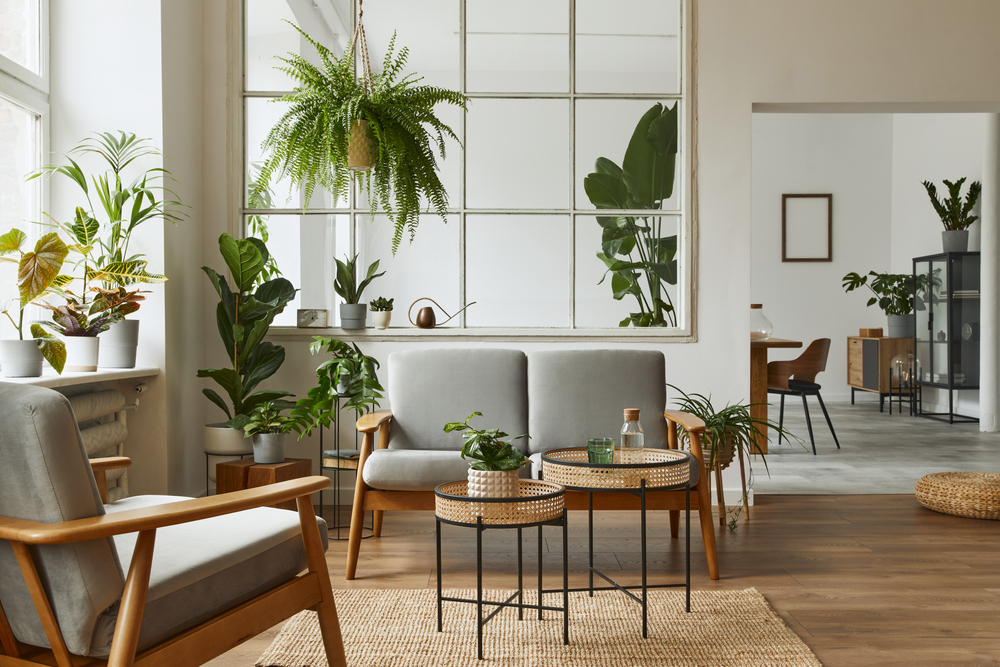
    luxury custom home interior

    Factors That Influence Your Custom Home Building Timeline

    While most custom home builds follow a structured timeline, several factors can impact the duration of your project. Understanding these elements can help you manage expectations and avoid unnecessary delays.

    One of the most significant influences is site conditions. Uneven land, poor soil quality, or accessibility issues can add extra time for earthworks or foundation stabilisation. Similarly, weather conditions – particularly heavy rain or extreme heat – can disrupt outdoor work schedules and cause temporary construction pauses.

    The complexity of your design also plays a major role. A home with bespoke architectural features, intricate joinery, or advanced energy-efficient systems will naturally take longer to construct than a simpler floor plan. The choice between custom materials and standard options can affect procurement times, especially if products are imported or made to order.

    Another key factor is council approvals and permits. While experienced builders in Melbourne can streamline the documentation process, planning delays are sometimes inevitable, particularly for larger or heritage-adjacent sites.

    Finally, builder experience and project management efficiency have a direct impact. A seasoned custom home builder will maintain clear communication, coordinate subcontractors effectively, and mitigate delays before they escalate.

    Tips to Keep Your Custom Home Build on Schedule

    Staying on track during the building process requires careful planning and clear communication. From the outset, working closely with a reputable custom builder in Melbourne ensures your project is managed efficiently and potential setbacks are minimised.

    One of the best ways to avoid delays is to finalise your design and material selections early. Changes made mid-build can disrupt scheduling and increase costs. Keeping consistent communication with your builder also helps resolve issues quickly and maintain momentum on-site.

    By collaborating with an organised and transparent custom home builder, you can enjoy a seamless construction experience and move into your dream home on time and within budget.

    Do You Need a Custom Builder in Melbourne?

    A clear understanding of the custom home building timeline is essential for a successful project. By anticipating each stage homeowners can make informed decisions and avoid unnecessary delays. Working with an experienced custom builder in Melbourne ensures professional project management, timely communication, and adherence to council regulations. Careful planning, early design finalisation, and proactive collaboration with your builder allow the build to progress efficiently. Ultimately, patience and preparation result in a home that reflects your lifestyle, design vision, and long-term investment goals.

    Get in touch with Lamble Builders for your custom home building and commercial building needs. As leading builders in Melbourne, we have the expertise to assist you, backed by over 40 years of industry experience.

    Contact us by calling 03 5941 8135 or fill out our online contact form and we will get back to you.

    Frequently Asked Questions

    How long does it take to build a custom home in Melbourne?

    The average timeline for a custom home in Melbourne ranges from 12 to 24 months. Luxury or architecturally complex homes may take longer depending on design features, council approvals, and site conditions.

    What factors influence the custom home building timeline?

    Key factors include site conditions, design complexity, material selection, council approvals, weather, and the efficiency of the builder’s project management.

    How do council approvals affect the timeline?

    Permits and approvals can take several weeks to months depending on the council, zoning, and whether heritage or environmental overlays are involved.

    What happens during the construction phase?

    Construction includes site preparation, foundation work, framing, roofing, and internal fit-out, with regular inspections to ensure compliance and quality.

    How can homeowners avoid delays?

    Finalising designs early, selecting materials promptly, maintaining consistent communication, and choosing an experienced builder helps minimise disruptions.
  • Luxury Renovations: How a Heritage Overlay in Melbourne Can Transform Your Home

    Luxury Renovations: How a Heritage Overlay in Melbourne Can Transform Your Home

    Heritage overlay in Melbourne — a phrase that can excite or worry homeowners dreaming of transforming a character-filled house into a luxurious modern sanctuary. Melbourne’s most sought-after suburbs are dotted with charming Victorian, Edwardian and Federation homes, many protected by strict heritage overlays designed to preserve our city’s unique streetscapes. If you’re planning a renovation or extension, understanding how these overlays work is essential to avoid costly setbacks and to make the most of your property’s potential. With the right approach, building under a heritage overlay doesn’t have to be daunting — in fact, it’s an opportunity to blend timeless architectural beauty with modern comfort and style. In this guide, we’ll unpack what a heritage overlay means and how a luxury custom home builder can help you navigate it with confidence.

    Understanding Heritage Overlays

    A heritage overlay in Melbourne is a planning scheme used by local councils to protect the city’s architectural and cultural heritage. If you own a property covered by a heritage overlay, you will need to understand what this means before planning any renovations or extensions. Many homeowners assume that a heritage overlay and a heritage listing are the same thing, but they’re slightly different. A heritage overlay sits within the local planning scheme and usually applies to whole streetscapes or precincts, while a heritage listing, like the Victorian Heritage Register, is for places of state significance.

    When a heritage overlay applies, you’ll likely need a heritage planning permit in order to carry out any work that could change the external appearance of your home. This can include building extensions, replacing roofs, painting facades or even installing fences. Interiors are not always protected, but significant internal features might be, depending on the scope of the overlay.

    Working with a heritage architect or custom builder is often the best way to design changes that respect period details such as original brickwork, chimneys or verandas. A good plan will be able to balance heritage conservation with your vision for modern living.

    By understanding how overlays work early on, you will avoid frustration and make better decisions. This is where partnering with an experienced custom builder becomes invaluable, and will make the process smoother and more manageable.

    How Heritage Overlays Impact Homeowners

    If you are lucky enough to own a character-filled home under a heritage overlay, it is vital to understand exactly how it will shape your plans. Many homeowners underestimate just how detailed heritage controls can be. You will often need a council planning permit before you make any external changes, whether you’re adding an extension, demolishing part of the house or even making changes to a fence.

    Councils in Melbourne issue heritage planning permits to ensure that any proposed changes protect the streetscape’s historical value. This means renovations must respect original features such as rooflines, windows, brickwork or chimneys. If you ignore the overlay and renovate without permission, councils do have the power to issue fines or force costly reversals of unapproved works.

    Ultimately, a heritage overlay is not a brick wall blocking your dream extension. It is a framework that you must work within, but with the right approach, it can help you transform a historic building into a stylish home that respects Melbourne’s unique architectural story.

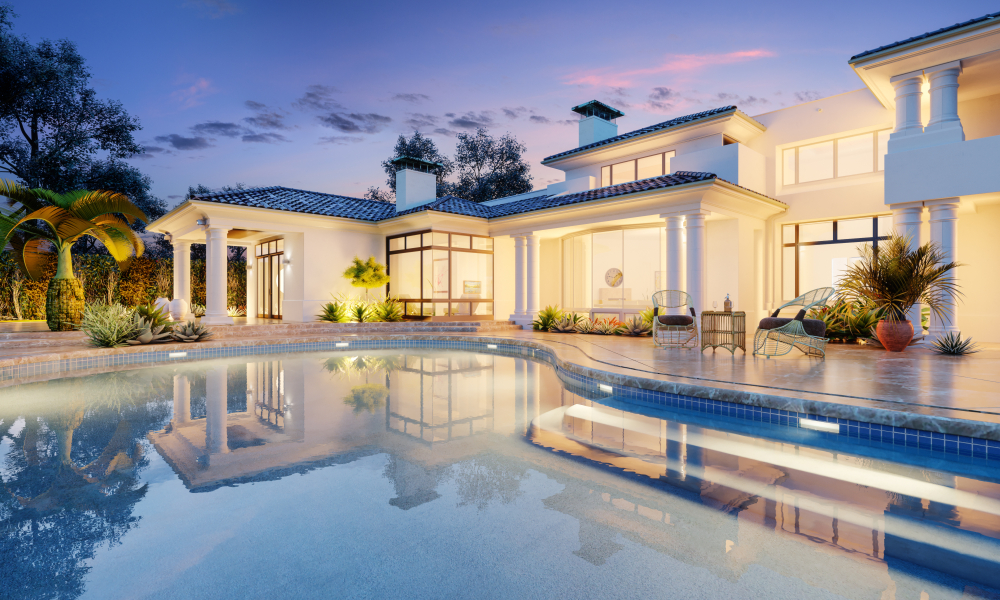
    night heritage overlay

    Challenges and Opportunities for Luxury Builds

    When building or renovating under a heritage overlay in Melbourne, homeowners can be daunted at first glance. The extra rules and approvals can seem restrictive, but when handled well, they open the door to creating a home that blends timeless beauty with luxurious modern living. Many of Melbourne’s finest custom renovations are found in suburbs covered by heritage overlays because they preserve a certain period charm that new builds can’t replicate.

    When a heritage overlay is well planned, architects can deliver results that respect original architectural features, from stained-glass windows to ornate verandas, while adding light-filled spaces, contemporary comforts and energy-efficient upgrades. This balance is what makes a luxury custom home stand out. It’s not about copying the past exactly, but it is about thoughtful heritage conservation paired with modern design solutions.

    Some owners fear that a heritage overlay limits creativity, but doesn’t have to be the case. In reality, the right luxury custom builder in Melbourne sees a heritage overlay as an opportunity to craft unique homes that honour history without sacrificing functionality. When done right, a heritage overlay can protect the character of your home while adding genuine long-term value.

    How a Custom Builder Adds Value

    When dealing with a heritage overlay, working with an experienced custom builder can make all the difference. A heritage project isn’t just about building — it’s about respecting decades, sometimes even centuries, of architectural history while giving homeowners the comfort and functionality they expect today. This is where a reputable custom builder becomes invaluable.

    A luxury builder skilled in heritage renovations knows how to navigate the complex layers of council permits and heritage requirements. They coordinate with trusted heritage architects and engage heritage consultants when needed. This careful collaboration streamlines the approval process, avoiding delays and unexpected costs.

    Beyond paperwork, a custom builder brings expert craftsmanship and an eye for detail that sets high-end heritage homes apart. Original cornices, leadlight windows or pressed metal ceilings can be restored or replicated with precision. Meanwhile, modern kitchens, bathrooms and living spaces are seamlessly integrated without compromising the character that makes these homes unique.

    A dedicated heritage home builder understands that every detail matters, from matching original brickwork to selecting timeless finishes. With the right builder by your side, a heritage overlay becomes an opportunity to create a one-of-a-kind luxury home that honours Melbourne’s rich architectural story.

    Looking to Renovate a Home with a Heritage Overlay in Melbourne?

    Owning a home under a heritage overlay in Melbourne doesn’t have to limit your dream of a beautiful, modern space. With careful planning, expert advice and a trusted luxury custom home builder you can respect the past while embracing the future. If you are ready to explore the possibilities for your heritage home, reach out to Lamble Builders and discover how simple and rewarding this process can be when you have the right team by your side.

    Get in touch with Lamble Builders at 03 5941 8135 or fill in our online contact form and we will get back to you.

    Frequently Asked Questions:

    Do I need council approval for a renovation under a heritage overlay in Melbourne?

    Yes — if your home falls under a heritage overlay, Melbourne councils generally require a planning permit for any external changes. This can include adding an extension, altering the façade, changing a roofline or even installing a new or driveway. Without the right approvals, you may face fines or be forced to reverse any works that you have done without approval – both a hit to your hip pocket. Getting a heritage planning permit is the first step to ensure your renovation complies with local heritage protections.

    Can I demolish a house that has a heritage overlay?

    Full demolition of a property with a heritage overlay is rarely approved unless you can prove that the building is structurally unsound or beyond reasonable repair. Even partial demolition is tightly controlled and usually requires strong justification and detailed reports from heritage consultants. If demolition is part of your plan, you must work closely with a heritage architect to present your case properly to council.

    What is the difference between a heritage overlay and a heritage listing?

    A heritage overlay is a local planning tool that applies to specific areas or streetscapes. It protects the external character of individual properties or entire precincts.

    Is renovating a heritage home more expensive than a standard renovation?

    A heritage renovation can in some cases be a larger investment, but this is because it demands additional approvals, more detailed design work, and often the use of specialist trades and materials. However, when done well, these costs can be an investment that adds considerable value and appeal to your property.

    Why should I work with a custom builder for a heritage renovation?

    A reputable custom builder for heritage projects brings deep experience navigating complex planning rules, working alongside heritage architects, and delivering a final result that blends history with modern comfort. This professional support ensures your vision is realised with respect for the past and confidence for the future.

    How long does it take to renovate a home with a heritage overlay?

    Renovating a property under a heritage overlay could take longer than a standard build because of the additional approvals that are required. Obtaining a heritage planning permit may add several weeks or even months to the timeline, depending on the complexity of your building plans and the responsiveness of your local council. Engaging an experienced heritage architect can speed up this process by ensuring your design aligns with planning rules from the outset. In addition, ensuring that you work with a skilled custom builder also helps keep the project on schedule once construction begins.

  • Architectural Trends for 2025: What is Shaping the Future of Luxury Custom Home Design?

    Architectural Trends for 2025: What is Shaping the Future of Luxury Custom Home Design?

    The world of luxury custom homes is ever evolving, and this continual change reflects shifts in lifestyle preferences, advancements in technology, and a growing focus on the environment and sustainability. In Australia, our architectural landscape is dynamic and exciting, influenced by our unique climate, diverse geography, and connection to the outdoors. As we begin the new year, we take a look into the innovative design and architectural trends that will be sweeping 2025. Blending functionality, aesthetics, and environmental responsibility, these trends are set to shape the future of luxury custom homes in Australia.

    Sustainability and Environmental Consciousness

    Sustainability is no longer just a feature in luxury homes; it is a defining characteristic. Australian homeowners are increasingly prioritising eco-friendly design elements to minimise environmental impact and enhance energy efficiency. This focus has driven the adoption of passive design principles, with homes being oriented to maximise natural light and ventilation, reducing the reliance on artificial heating, cooling, and lighting systems.

    Green roofs and walls are becoming staples in luxury homes, adding insulation, and promoting biodiversity while creating visually striking designs. Sustainable materials, such as reclaimed timber, bamboo, and eco-friendly concrete, are gaining traction, aligning luxury aesthetics with environmental responsibility. Self-sufficient living is also on the rise, with solar power systems, rainwater harvesting, and greywater recycling becoming integral components of many luxury homes.

    Minimalism With a Touch of Luxury

    Minimalism continues to influence luxury home design, but the interpretation for 2025 emphasises warmth and sophistication. Rather than stark, impersonal spaces, the new minimalism prioritises high-quality materials, expert craftsmanship, and subtle details that exude elegance. Open layouts are complemented by neutral palettes of whites, greys, along with warm earthy tones, creating spaces that feel expansive yet inviting.

    Statement features, such as custom-built staircases, stone feature walls, or bespoke lighting fixtures, are used to add character and individuality to minimalist designs. The result is an aesthetic that feels timeless and effortlessly luxurious, where every element has been thoughtfully considered.

    Elevated Outdoor Living

    Australia’s love for outdoor living is reflected in luxury homes that transform alfresco spaces into extensions of the interior. Outdoor kitchens equipped with high-end appliances, spacious dining areas, and resort-style pools are becoming standard features. These spaces are designed for comfort and usability year-round, incorporating retractable roofs, outdoor heaters, and even misting systems.

    Pools are also increasingly integrated into the overall architecture of the home, with infinity edges, water features, and ambient lighting creating a resort-like atmosphere. Landscaping plays a vital role in these outdoor areas, with native plants and sustainable designs ensuring that the environment complements the home while requiring minimal maintenance.

    Smaller, Smarter Luxury

    While luxury is often associated with expansive properties, there is a growing trend toward smaller, smarter designs that prioritise quality over quantity. Compact luxury homes are gaining popularity, particularly in urban areas where space is at a premium. These homes focus on efficient layouts, high-end finishes, and innovative storage solutions to create spaces that feel spacious and luxurious despite their smaller footprint.

    Vertical living is also on the rise, with multi-story homes and apartments featuring rooftop gardens, terraces, and stunning views. These designs cater to homeowners who value location and convenience while maintaining the hallmarks of luxury living.

    The Revival of Craftsmanship

    In an age of mass production, luxury homeowners are turning to craftsmanship to add a sense of uniqueness and authenticity to their spaces. Bespoke furniture, custom cabinetry, and artisan-made fixtures are becoming defining elements of high-end design. This revival of craftsmanship not only supports local artisans but also ensures that homes have a distinct character and timeless appeal.

    Homeowners are also investing in heirloom-quality materials and designs, creating spaces that feel deeply personal. Whether it’s hand-laid mosaic tiles, intricately carved timber, or custom metalwork, these details add an unparalleled level of sophistication and individuality to modern homes.

    A Shift Towards Experiential Living

    The concept of experiential living is becoming a hallmark of luxury home design. Homeowners are increasingly seeking features that enhance their daily lives with immersive experiences. From custom-built wellness retreats that mimic spa environments to private art galleries and wine-tasting rooms, luxury homes are transforming into places where moments of joy, relaxation, and indulgence are woven into everyday life.

    Additionally, entertainment spaces are being designed with an emphasis on hosting, with professional-grade kitchens and seamless indoor-outdoor transitions that make gatherings memorable. These experiential features are redefining luxury, focusing on how a home can enrich personal and social experiences.

    Are You Ready to Build a Luxury Custom Home?

    If you are looking for a luxury custom home builder in Melbourne, look no further than S&B Lamble Builders. We are experienced custom home builders and know exactly what you expect from a custom home. When you want to take your custom home dreams and turn them into reality, make sure you partner with S&B Lamble Builders.  

    Get in touch with us by contacting 03 5941 8135 or by filling out our online contact form and we will get back to you.

  • 4 Sustainable Design Ideas for Luxury Custom Homes

    4 Sustainable Design Ideas for Luxury Custom Homes

    Building a luxury custom home means that you can bring your dream home to life. It also means that you have a high level of control over the design, build, and the finished product, and allows you to make decisions to customise your home down to the smallest details. One important consideration is sustainability, and making your home an eco-friendly one. When it comes to sustainable homes, there are many benefits for both you as a homeowner, as well as for the world around you. That’s why we have rounded up this list of simple ways to incorporate sustainability into your design and build: so you can end up with an eco-friendly home that will be good to you and the environment for years to come.

    luxury custom home interior

    Embrace Passive Design

    Passive design is an important concept when it comes to building and sustainability. There are several components to passive design, but put simply, this concept means to work with a local climate to maintain and regulate a comfortable temperature within a home. Features such as insulation, window glazing, and passive heating and cooling all work together to deliver eco-friendly results year-round such as lower greenhouse gas emissions.

    One feature of passive design is passive heating, which is the process of trapping heat from the sun inside the home. This is primarily achieved by designing a home to include north-facing windows, and include living areas on the north side of the home. On the other hand, passive cooling means to use design principles like shading, insulation, and window placement to prevent heat gain and increase heat loss.

    Other components of passive design include proper and effective insulation and window glazing, among others. The important thing to remember is that all of the different features of passive design interact and work together to contribute to an overall more eco-friendly home.

    Utilise Renewable Energy

    The first thing to consider when it comes to renewable energy for custom homes is solar power. Investing in solar panels is an eco-friendly, sustainable way to generate electricity for your home, and when it comes to designing a custom home, you will be able to design with solar power in mind. This means that you get to maximise energy generation through panel placement, and potentially significantly decrease the energy consumption of your finished home.

    In addition, you can also consider choosing a green energy supplier as one of the ultimate ways to ensure that your custom home is sustainable. 

    Choose Energy Efficiency

    There are many ways that you can incorporate energy efficiency into your home. First, consider your choice of appliances for your new home. According to Energy.gov.au, household appliances account for approximately 30% of home energy use. This means that when it comes to selecting new appliances for your new home, you should pay close attention to the Energy Rating Label. This system allows you to easily compare the energy efficiency of different appliances and models. The star rating is a simple visual indicator – the more stars, the more energy efficient, meaning the product will use less energy and save you more on your energy bill.

    In addition, another great way to maximise energy efficiency is to carefully consider the lighting in your home. Energy efficient light globes are widely available and use approximately 80% less energy than regular globes. These LED globes even have a longer lifespan than the old-style of globe, which is better for your hip pocket, and means less time spent replacing light globes.

    Build With Sustainable Materials

    When it comes to sustainability and custom homes, choosing eco-friendly building materials is one of the ultimate things to consider. Building your new home using natural and sustainably sourced materials is a fantastic and effective way to contribute positively to the environment, and make your house an eco-friendly one. Utilising these sustainable materials will mean collaborating and working closely with your custom builder, as they will be in charge of sourcing the eco-friendly supplies for your custom build. This collaborative relationship starts with choosing the right custom builder for you, and should be based on a shared vision for sustainability, as well as for the design and build of your new home.

    Are You Ready to Build Your Luxury Custom Home?

    If these tips have you ready to start moving forward with your luxury custom home, then look no further than S&B Lamble Builders. Whether you are ready to plan, design, or build the new custom home of your dreams, then we are here to help. We are backed by 35 years of industry expertise, and are proud to bring you stunning custom solutions to all your residential needs.

    When you need a professional custom home builder, contact us at 03 5941 8135, or fill out our online contact form, and we will be happy to get back to you. 

  • Spring 2022’s Top 3 Design Trends for Luxury Custom Homes

    Spring 2022’s Top 3 Design Trends for Luxury Custom Homes

    Spring has well and truly sprung, and with it comes warmer weather, longer days, and the promise of Summer just around the corner. Spring brings not only a new season, but new beginnings, and a new chance to consider building, renovating, or extending your luxury custom home. We all love the sense of hope and positivity that Spring brings, but Spring also ushers in new luxury design trends that reflect the optimism of this time of year.

    Keep reading to take a look at the design trends that are defining the season, and that can be implemented in your own home, with the help of S&B Lamble Builders.

    Nature is All Around

    With Spring being the season defined by new growth, blooming flowers, and lush green gardens, it’s no surprise that nature makes an appearance on this list. This time of year is marked by warmer days and more hours of sun, and it invites us to take advantage of the gardens and outside spaces that we may have avoided during the Winter.

    Spring also invites us to welcome the outside in and to create spaces within the home to enjoy nature and the natural environment. One feature of this trend is a focus on natural light, and this can be carried through to your luxury custom home with careful and considered window placement and the selection of window dressings like blinds. Another way to bring nature into the home is with final touches like plants. Indoor plants have many benefits, including fostering a peaceful and calming atmosphere and adding greenery to the colour palette of your home. Take a look at this guide to indoor plants to help you choose flora that will thrive in the home.

    Statement Walls

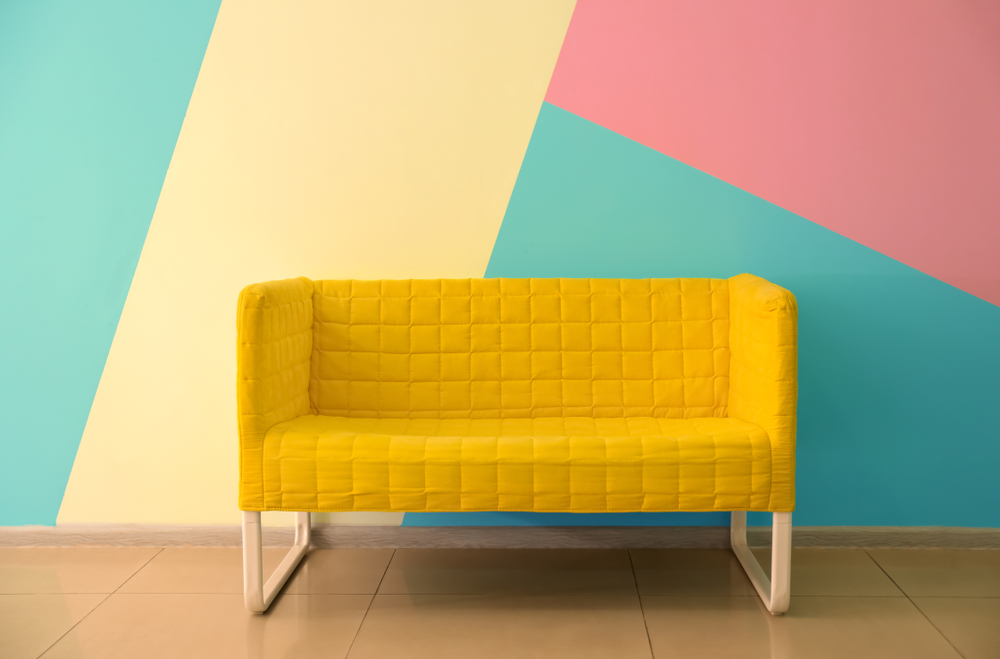
    A colourful patterned wall, behind a bright yellow couch

    Remember the days of the feature wall? That’s right, these fun and vibrant walls are back with a vengeance, in the form of the fresh and updated statement wall. This means that walls featuring colour, patterns and even texture are trending, and a bright and joyful colour palette is on the cards for Spring 2022.

    The statement wall can act as a focal point in the home, drawing the eye and brightening the room. That means that when it comes to the paint store, you can let your imagination run wild, and take inspiration from Spring, nature, art, or whatever takes your fancy. The options are only limited by what you can imagine!

    Relaxation Spaces

    A trend that has been seen throughout 2022 and into the Spring season is spaces dedicated to relaxation and taking care of yourself. As the name suggests, this doesn’t have to be an entire room, because the trend encompasses spaces, nooks, corners, and entire rooms that are designed for self-care, rest, and relaxation. That’s right, this is your opportunity to create a space within your home just for you!

    The options are as abundant and varied as your interests and passions. Think: the reading nook of your bibliophile dreams, the ultimate spa-like bathroom for self-pampering, or a nature lover’s lush, green haven complete with an outdoor kitchen for preparing backyard cocktails! Just consider what interests you, think about how you like to take care of yourself and recharge, and then start planning!

    You can always incorporate a relaxation space into your existing home, but if you want to include one in the plans for your luxury custom home build or home extension, S&B Lamble will be able to help. Check out our tips on starting to start planning a home extension for more inspiration.

    Bonus Round: The High-Tech House

    Evolving and contemporary technology has been a constant feature in design trends for 2022, and most likely into 2023 and beyond. As technology changes, its role in our homes does too, and likewise, as design trends evolve, so too does the technology to fit into these spaces.  

    The ultra-high-tech space is characterised not by technology for the sake of it, but by those pieces of tech that integrate seamlessly into our lives and make them easier, more enjoyable, and more entertaining.

    Looking for a Custom Home Builder in Melbourne?

    If you’ve been inspired by any of the design tips in this article, then look no further than S&B Lamble Builders. We are experts when it comes to building, renovating, or extending luxury custom homes, and we are thrilled to offer you brilliant customer service backed by 35 years of experience.

    When it comes time to choose an exceptional custom builder, call us on 03 5941 8135, or fill out our contact form and we will happily get back to you.

  • 6 Reasons Why Building a Custom Home is Worth the Investment

    6 Reasons Why Building a Custom Home is Worth the Investment

    When you are considering buying a new home, you will no doubt be doing a lot of thinking and planning, before making any important decisions. There are so many factors to consider, from costing all the way through to sustainability, and in the back of your mind you are probably always thinking of what a significant and important life milestone it is to be buying a home of your own. Among the decisions you will need to make, is choosing whether to purchase a pre-existing property or whether to build your own luxury custom home. Though there is often more planning and a greater investment involved in custom homes, this article explores the ways that building a home of your own actually has many benefits and advantages. Plus, read on to discover where to find an expert luxury custom home builder when you are ready to build!

    luxury custom home

    Tailored to Your Vision

    There’s no doubt that one of the most appealing advantages of building a custom home is that you are able to bring your dream vision for your new home to life. There are so many ways that you can have a hand in the design of your new custom home, and so many decisions to make. This means that the end result is a home that is truly yours, and one that expresses your tastes and reflects your lifestyle. When you choose to custom build, you are choosing a home full of your personal touches. You don’t have to settle for someone else’s design choices, and you don’t have to compromise on features that matter to you, because you make the decisions.

    Optimised Functionality

    Because your custom home will be tailored to you and your tastes, this also has benefits for the functionality and efficiency of each space in the home. Working closely with your architect and designer, you will be able to create rooms and spaces that work with and cater to the way that you and your family live your lives. Perhaps you need a home office, (or two!), an entertainer’s kitchen, or a cosy second living area specially designed for reading or movie nights. All of these spaces could be incorporated into your custom home, as well as a myriad of other ones – all you need is some imagination!

    Quality Craftsmanship

    When it comes to building a custom home, you are able to not only handpick the specific materials, but the custom home builder too. You will no doubt want to work with skilled professionals that have the proven expertise to make your dream home a reality. When you choose the right custom builder, you can rest assured that they will pride themselves on precise attention to detail and top-quality craftsmanship. In turn, this will translate to a finished home that is not only stunning and aesthetically pleasing, but also is structurally sound and will stand the test of time.

    Modern Technology and Energy Efficiency

    If sustainability and environmental consciousness is something you are interested in, then building a custom home is one the best things you can do. Your home can have solar panels, the best and most efficient insulation, and energy-efficient appliances, and this will benefit both the environment, and your hip pocket too. Also, consider all the modern technology available today – this can all be at your fingertips in your new custom home. Take home automation for instance, from smart assistants to automated blinds, lights, heating, and cooling controlled with the touch of a button on your phone. These modern, high-tech features can all be yours in a new custom home.

    Build in the Location of Your Choice

    When you build a custom home, you get to choose the perfect location for your home. Whether you are in search of a peaceful country haven, a family-friendly suburban retreat, or a bustling inner-city oasis, you have the flexibility to select the right block of land for you. It’s important to remember that you are not only investing in a home, but in the location of the home and the neighbourhood that you will be a part of.

    Reduced Need for Renovations

    Building a custom home means starting from scratch and that means that your finished home will likely be exactly as you envisioned it. This in turn reduces or removes the need for immediate renovation projects that you may undertake when purchasing an existing home. When you get the keys to your new custom home, every room, every space, every architectural and design feature will be suited to your preferences, tastes, and lifestyle, because you chose it.

    Do You Need Luxury Custom Home Builders in Melbourne?

    If this article has inspired you to build a luxury custom home, then look no further for an expert custom builder than S&B Lamble Builders. When building a custom home, it is essential that you partner with an experienced and trusted builder that is capable of making your dream home a reality. We are backed by 35 years of industry experience, and are proud to be able to offer you stunning custom homes alongside fantastic customer service.

    When you are in need of a luxury custom home builder, contact us at 03 5941 8135 or fill out our online contact form and we will happily get back to you!

  • 4 New Trends in Modern Classroom Design

    4 New Trends in Modern Classroom Design

    When it comes to designing and building educational spaces like schools and classrooms, it is critical that a lot of thought and reflection goes into the planning. Educational facilities are such important features in society, and while there are some foundational concepts when it comes to their design, these are spaces that must also keep up with current trends and research. As society evolves and modernises, so too must schools and classrooms, as the needs of students today differ from the needs of students of years past. This month, we focus on the current trends in classroom design which can inform and guide the building and construction of new schools and learning spaces. Keep reading to discover these trends, as well as the importance of partnering with a custom commercial builder, who can expertly carry out such projects.

    children learning in classroom

    Prioritising Natural Features for Comfort

    When it comes to natural features in a classroom or educational space, this means prioritising factors like light, temperature, and air flow and quality. For instance, natural light is incredibly important in classrooms for a number of reasons. These include the positive effect of natural light on mood, as well as less incidences of eye strain when compared to working in artificial lighting, like under harsh fluorescents. Further, when designing these spaces, adequate temperature control must be taken into account. Artificial heating and cooling should be considered, as well as the placement of doors and windows, which can both help to regulate temperature in the room, and provide air flow too. These features all work together to create a comfortable learning space, and the psychological theory of Maslow’s Hierarchy of Needs indicates clearly that physical comfort is foundational to efficient learning.

    Centring Student and Staff Wellbeing

    Prioritising the wellbeing of the students and staff that spend time in these educational spaces has been a trend in education for many years. However, in the past few years, and certainly post-pandemic, wellbeing is increasingly a consideration in the design of new classrooms and schools. A holistic view of wellbeing is essential when it comes to these spaces, which means taking into account not only physical wellbeing as outlined above, but also mental, social, and cognitive wellbeing also. In practice, this prioritisation of wellbeing can look different depending on the needs of the particular school, but can include things like: lots of greenery, such as a green wall, comfortable breakout areas which allow for collaboration in learning and also ‘brain breaks’, calming colour palettes, the use of natural materials like timber or stone, and even spaces dedicated to relaxation which can be used in free periods, or recess times.

    Learning and the Great Outdoors

    Increasingly in schools, learning and the outdoors are being brought closer and closer together. The benefits of natural lighting in classrooms that we have discussed pertain to outdoor learning as well, plus the benefits of fresh air speak for themselves. While outdoor learning is largely dependent upon the weather and as such is not suitable 100 percent of the time, classrooms that allow easy access to the outdoors or that bring the outdoors in, are increasingly popular. This could involve sliding doors or French doors which can be opened to increase the floor-plan of the classroom and give students the freedom to choose to work outside or inside. Alternatively, schools may choose to design and build covered areas on their grounds which can accommodate more outdoor lessons.

    Flexible and Modular Spaces for Inclusive Learning

    Flexibility is a consideration that continues to be at the forefront of classroom and school design. What is clear about both teaching staff and their students, is that modern classrooms need to be able to serve multiple purposes not only from day to day, but sometimes from hour to hour. For instance, he first teaching block of the day may involve whole class instruction which requires the space for an entire class (or two, or three) to sit together and learn. Following this, breakout spaces for several small groups may be required. After recess, students may need to work in pairs to complete an activity, before reading independently before lunch. Just from this example, the need for classrooms to offer as much flexibility as possible is evident. This can mean anything from flexible furniture, consideration of the size of the actual room, sliding or concertina doors, open-plan learning, and spaces or areas that can serve multiple purposes.

    Do You Need a Custom Commercial Builder?

    Look no further than S&B Lamble Builders. We are proud to provide you with 35 years of industry experience in delivering outstanding commercial building solutions for schools and other educational facilities, along with aged care facilities, and industrial premises. Whatever your commercial project is, our commercial building contractors are fully licensed and have the expertise to transform your vision into a reality.

    When you need custom commercial builders, contact us at 03 5941 8135, or fill out our online contact form and we will take care of your enquiry.

  • Christmas Decor Guide 2024: 6 Luxury Christmas Decorating Ideas for Custom Homes

    Christmas Decor Guide 2024: 6 Luxury Christmas Decorating Ideas for Custom Homes

    As Christmas fast approaches, it is once again time to start thinking about those traditions that really mark the season for you and your family. For many, decorating for Christmas kickstarts the holiday period and if you are looking for some inspiration for decking the halls, you have come to the right place. Welcome to our 2024 guide to Christmas décor, where we show you the latest festive decorating trends for luxury custom homes. Keep reading to discover the trends that will define this year’s holiday season, and let us help you to bring some Christmas magic into your home.

    luxury custom home

    Maximalist Christmas

    Say goodbye to the minimalist Christmas trends of the past few years and say hello to a maximalist Christmas. This trend can also be known as vintage or traditional Christmas and is a call-back to the decorations of past Christmases. This means a step away from minimalism, neutrals, and carefully coordinated colour themes and embracing an eclectic mix of decorations, bright colours, and leaning towards the warmth and vibrancy of Christmases past. Think: glowing multicolour lights on the tree, baubles in every colour of the rainbow, and gleaming tinsel strewn around the tree and each room. Designed to surround you in glittering Christmas cheer, this is one Christmas trend that will fill you with the magic of the season, and a healthy dose of nostalgia too.

    Pastel Candyland

    Create a Candyland of your own with a pastel theme for your Christmas décor. Gentle pinks, blues, greens, and yellows adorn your tree, while gorgeous pastel-coloured bunting and garlands bring warmth and a sense of wonder to the rest of your home. Embrace the sweetness of this theme with plenty of frosted and candy inspired decorations too!

    Bows and Ribbons Galore

    Following on from the bows trend we have seen for accessories this year, we present the bows and ribbons Christmas trend. Picture Christmas trees adorned with bows of all sizes; colour coordinated to match whatever your theme is. Bow garlands, bow Christmas toppers, bow tree decorations, and bow table adornments. This is a very current and on-trend decorating tip, one for the fashion-forward trendsetters to try out this Christmas season.  

    Handmade Decorations

    Put your own unique spin on your Christmas decorations this year by embracing handmade décor. From handmade felt decorations to good old-fashioned paper chains, this is one trend that lets you show off your creativity and get in touch with your crafty side. We can recommend hosting a ‘Christmas crafting night’, where you gather with family or friends to work on your creations together, complete with Christmas music and Christmas snacks. Afterwards, enjoy the decorations you have created knowing the love and work that went into them. This is also one trend that can be as cheap and cheerful as you want to make it, so it is a way to add to your Christmas décor on a budget!

    Metallic Chic

    Put your own spin on the ever-popular metallic theme this year with metallic chic – and the tip for this year is to mix your metals. This sophisticated theme will bring a touch of glamour to your home this Christmas and 2024 sees gold, silver, brass, and rose gold being used in conjunction with each other to ensure that your home is gleaming and glittering from every angle. If you are after a more minimalist Christmas vibe, this is one trend that might be for you – focus in on those metals and enjoy a classy and elegant result.

    A Cosy, Country Christmas

    Following on from the cottage-core trend that have been seen in 2024, a lot of countrified and cosy Christmas décor is making an appearance this year, too. This is one theme that you can really make your own, with the main part of the brief being simply: cosy, whatever that means to you. Inspired by the warmth and comfort of country living, the trend includes lots of warm neutrals and natural elements, along with pops of deep forest green and traditional red. Glowing candlelight, washes of white and lots of festive greenery add the cosiness, bringing a cottage-core country Christmas into your home this season.  

    Are You Interested in Building a Luxury Custom Home?

    Look no further than S&B Lamble Builders. We know that when it comes to building a custom home, you want someone with the experience and expertise to bring your dreams to life. Whether you have been inspired by our Christmas décor guide, or you have been dreaming of and planning a custom build for some time, we would be happy to help. Plus, we are experienced commercial builders, ready to assist with your commercial building needs.

    When you need custom builders in Melbourne, contact us at 03 5941 8135 or fill out our online contact form and we will get back to you.

  • Blending Indoor and Outdoor Living: Creating Seamless Transitions in Custom Homes

    Blending Indoor and Outdoor Living: Creating Seamless Transitions in Custom Homes

    Our country has stunning landscapes as well as a great climate, and our love for the outdoors makes Australia the perfect place for custom homes that seamlessly connect indoor and outdoor spaces. This design philosophy is particularly common in luxury custom homes, where thoughtful planning and innovative features ensure a fluid transition between the comfort of indoors and the beauty of the outdoors. This month, we explore the principles, features, and benefits of designing custom homes in Australia that celebrate the harmony of indoor and outdoor living, plus, ensure that you know where to go for an expert luxury home builder in Melbourne.

    The Australian Lifestyle and Outdoor Living

    Australians have always embraced outdoor living. Whether it’s enjoying a barbecue on the deck, swimming in the pool, or lounging in an alfresco area with a good book, the outdoor lifestyle is deeply ingrained in Australian culture. Custom homes reflect this by integrating outdoor spaces as extensions of the interior rather than as separate areas. This approach is not only about luxury but also practicality. Australia’s warm climate and abundant sunshine make outdoor spaces functional year-round, while innovative shading, cooling, and heating solutions ensure they can be enjoyed regardless of the season.

    Key Principles of Indoor-Outdoor Design

    To create seamless transitions, custom home builders follow a set of design principles that prioritise flow, functionality, and aesthetic coherence.

    1. Continuity of Materials

    One of the simplest yet most effective ways to blur the lines between indoor and outdoor spaces is by using the same or complementary materials for floors, walls, and ceilings. For example, a custom home could include a polished concrete floor running from the living room and outside and timber decking that mirror timber floors inside.

    2. Large Openings and Frameless Glass

    Custom homes often feature expansive openings that merge the indoors and outdoors. This could mean sliding or bi-fold doors that open entirely to reveal the outdoor area, and frameless glass panels that maintain visual continuity while still providing protection from the elements. These features invite natural light into the home and allow residents to enjoy uninterrupted views of their surroundings, whether it’s a lush garden, a sparkling pool, or the Australian outback.

    3. Flexible and Multi-Functional Spaces

    The key to indoor-outdoor living is flexibility. Spaces can serve dual purposes depending on how they are used. For example: outdoor kitchens with built-in barbeques and pizza ovens can double as casual gathering spots. By designing flexible spaces, homeowners can maximise the functionality of their home while maintaining a cohesive aesthetic.

    Features of Seamless Indoor-Outdoor Living

    1. Alfresco Areas

    The alfresco area is a quintessential feature of Australian homes. These covered outdoor spaces are perfect for entertaining, dining, and relaxing, regardless of the weather. Custom homes often take alfresco design to the next level with ceiling fans for cooling in the summer, outdoor heater or even fireplaces for warmth in winter, and integrated sound systems plus ambient lighting ready for entertaining. With the right design, an alfresco area can feel like an extension of the living room or kitchen, rather than a separate outdoor zone.

    2. Outdoor Kitchens

    An outdoor kitchen is a must-have for those who love entertaining. High-end custom homes in Australia often feature outdoor kitchens that rival their indoor counterparts. Popular elements include built in barbeques, wine fridges and beer taps, and luxe countertops and plenty of storage for utensils and appliances. These kitchens are often positioned adjacent to the indoor kitchen, making it easy to move between the two spaces while preparing meals.

    3. Pools and Water Features

    A pool is not just a luxury addition; it’s often the centrepiece of the outdoor space in custom Australian homes. To create a seamless transition, pools are often designed to be visible from the indoor living areas through doors or glass panels. In addition, infinity edges are ever-popular, along with integrated water features which add movement and tranquillity to the space. Surrounding the pool with decking or paving that matches the indoor flooring reinforces the connection between the two areas.

    4. Landscaping and Greenery

    Custom homes in Australia often incorporate landscaping to create a natural flow between indoor and outdoor spaces. Features can include green walls or vertical gardens, courtyards that are visible from multiple rooms of the house, and native Australian plants that complement the natural environment.

    Do You Need a Luxury Home Builder in Melbourne?

    If you are ready to build a luxury home in Melbourne, look no further than S&B Lamble Builders. We are experienced luxury home builders and know exactly what you expect from a custom home. When you want to take your custom home dreams and make them into reality, make sure you partner with S&B Lamble Builders. Additionally, we are also expert commercial builders in Melbourne, ready to help with your commercial building needs.

    Get in touch with us by contacting 03 5941 8135 or by filling out our online contact form and we will get back to you.

  • 4 Important Design and Building Considerations for Early Learning Centres

    4 Important Design and Building Considerations for Early Learning Centres

    Early learning centres play a pivotal role in our community, helping to lay the foundation for a child’s cognitive, social, and emotional development. In Australia, we place a strong emphasis on providing high-quality early childhood education and because of this, the design and architecture of these centres have taken centre stage. When it comes to early learning centres, a professional commercial building company at the forefront of innovation will ensure that the design and building process is considered, holistic, and expertly handled. This month, we explore four important design and building factors for early learning centres in Australia.

    early learning centre

    Understanding the Importance of Design in Early Learning Centres

    The design process of an early learning centre is not just about furniture, and the building process is not simply about walls and floors. Rather, it’s about creating an environment that fosters curiosity, creativity, and a love for learning. Research has shown that the physical space in which children learn has a profound impact on their cognitive development, social interactions, and overall well-being. Therefore, thoughtful consideration must be given to every aspect of the process, from the layout of the classrooms to the selection of materials and colours.

    Embracing Nature: The Biophilic Design Movement

    The biophilic design movement can be a great resource when it comes to creating early learning centres and the design and build phases. Rooted in the innate human connection to nature, biophilic design seeks to infuse educational spaces with elements that evoke the natural world. Through large windows that flood classrooms with sunlight, indoor-outdoor transitions that blur the boundaries between inside and outside, and carefully curated green spaces where children can explore and engage with their surroundings, early learning centres can embrace the power of nature. This approach not only enhances the aesthetic appeal of the learning space but also nurtures children’s well-being, fostering a sense of calm, curiosity, and connection to the world around them. By integrating biophilic principles into the design process, early learning centres create immersive environments that inspire learning, creativity, and a lifelong appreciation for the wonders of nature.

    The Role of Play in Learning

    Play is actually a fundamental component of childhood development and learning, and that is why early learning centres must take this into consideration in their design. Through play, children engage in hands-on exploration, problem-solving, and social interaction, all of which are essential skills for success in school and beyond. Play-based learning environments provide children with opportunities to experiment, make mistakes, and learn from their experiences in a safe and supportive setting. Whether it’s building with blocks, pretending in dramatic play areas, or exploring nature in outdoor spaces, play allows children to follow their interests, express their creativity, and develop a deep understanding of the world around them.

    Culturally Responsive Design

    Culturally responsive design is a cornerstone of modern early learning centre architecture in Australia. It embodies the recognition and celebration of the diverse cultural identities within the community. Through thoughtful integration of indigenous artwork, traditional building materials, and culturally significant symbols, early learning centres become inclusive spaces that honour the heritage and values of all children and families. By incorporating elements of cultural significance into the design, these centres not only reflect the diversity of their communities but also provide opportunities for cross-cultural understanding and appreciation. Culturally responsive design goes beyond aesthetics; it fosters a sense of belonging and pride among children and families, creating environments where everyone feels valued and respected.

    Sustainability and Environmental Stewardship

    Sustainability can also come into the design of early learning centres, reflecting a commitment to environmental stewardship, and instilling in children a sense of responsibility for the planet. From the choice of building materials to the layout of outdoor spaces, every aspect of the design process is guided by principles of sustainability. Passive solar design maximises natural light and reduces the need for artificial heating and cooling, while energy-efficient lighting and appliances minimise energy consumption. Additionally, the use of recycled materials not only minimises waste but also teaches children the value of repurposing and recycling. By integrating sustainability into the built environment and incorporating it into the curriculum, early learning centres in Australia are not only reducing their environmental impact but also shaping the next generation of environmental leaders.

    Do You Need a Commercial Building Company?

    Look no further than S&B Lamble Builders. We can provide you with 35 years of industry experience in delivering outstanding commercial building solutions. Our expertise includes schools and early learning centres, along with aged care facilities and industrial premises. Whatever your commercial project, our licensed and experienced commercial building contractors can transform your vision into a reality. Plus, if you have a residential building project in mind, we can also assist you!

    When you need a commercial building company, contact us at 03 5941 8135 or fill out our online contact form and we will get back to you.