Tag: commercial builder melbourne

  • Commercial Construction Financing Options: An Expert Guide

    Commercial Construction Financing Options: An Expert Guide

    Securing the right funding is one of the most critical steps when embarking on a commercial construction project, and working with an experienced commercial builder in Melbourne can make all the difference. Whether you’re planning a new office tower, retail space, or industrial facility, understanding the range of financing options available is essential for keeping your project on track and within budget. From traditional construction loans to equity partnerships and alternative financing solutions, each option comes with its own benefits, risks, and requirements. Collaborating closely with a trusted commercial builder ensures that lenders and investors have confidence in the project’s planning, cost estimates, and execution strategy. With careful consideration and professional guidance, developers can navigate the complex financing landscape, secure the necessary funds, and ultimately bring their commercial vision to life. This article explores the key financing options available for commercial construction in Melbourne and how to choose the right solution for your project.

    commercial construction builders

    Overview of Commercial Construction Financing

    Commercial construction financing is the process of securing funds specifically for building projects such as office complexes, retail spaces, or industrial facilities. Unlike residential construction, commercial projects are typically larger in scale, involve multiple stakeholders, and carry higher risk, making the choice of financing more complex. For developers, understanding the different financing avenues is crucial to ensure projects are completed on time and within budget.

    Financing options generally fall into three main categories: debt financing, which includes construction loans and lines of credit; equity financing, where investors provide capital in exchange for a share of the project; and hybrid solutions, which combine elements of both to balance risk and cash flow. Each option has unique advantages, requirements, and potential challenges, and the right choice often depends on the project’s size, timeline, and financial profile.

    Partnering with a reputable commercial builder can significantly simplify this process. Experienced builders provide lenders and investors with confidence through detailed project plans, accurate cost estimates, and proven construction expertise, helping developers secure the most suitable financing option for their commercial projects.
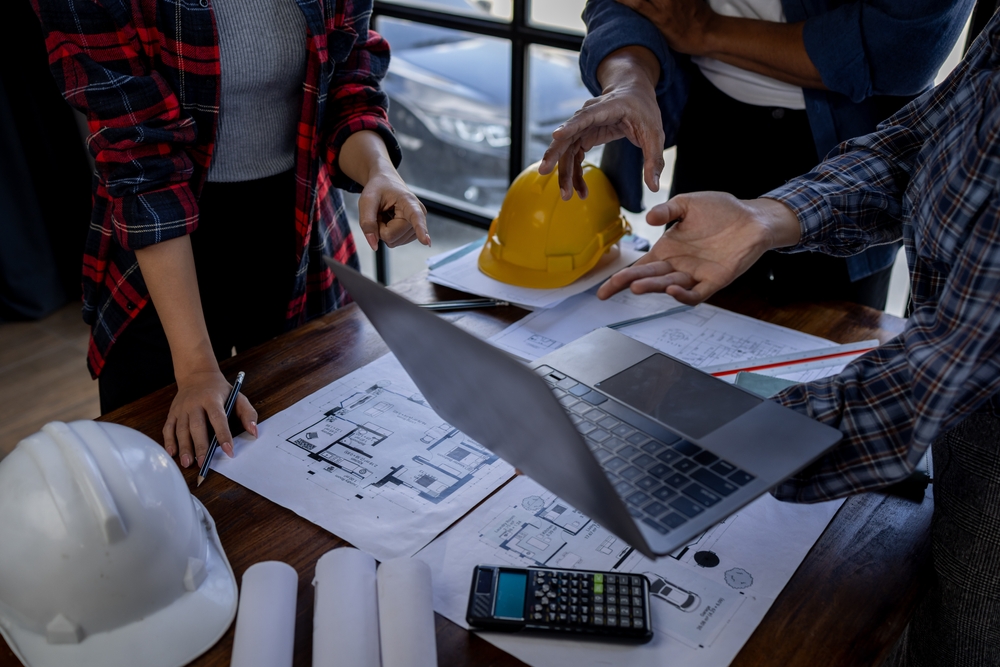
    commercial construction financing options

    Debt Financing Options

    Debt financing is one of the most common ways to fund commercial construction projects. It involves borrowing money from lenders, which is then repaid with interest over a specified period. For developers, understanding the different debt options is key to managing cash flow and ensuring the project stays on track.

    Construction Loans

    Construction loans are short-term loans specifically designed to cover building costs. They are typically interest-only during the construction phase, with repayments commencing once the project is complete or refinanced into a long-term mortgage. Lenders usually require detailed project plans, budgets, and evidence of experience from the commercial builder overseeing the work. This assurance reduces risk and can improve the likelihood of loan approval.

    Line of Credit

    A line of credit offers flexibility by allowing developers to draw funds as needed rather than borrowing a lump sum upfront. Interest is only charged on the amount used, making it a practical solution for managing cash flow and unforeseen expenses during construction.

    Equipment and Vendor Financing

    Some projects may require financing for specific equipment, materials, or subcontractor services. Equipment or vendor financing reduces upfront costs and helps keep the project moving without straining capital reserves.

    Bank vs Non-Bank Lenders

    Choosing between traditional banks and alternative lenders can affect approval timelines, interest rates, and lending terms. Banks often have stricter criteria, while non-bank lenders may offer more flexible solutions for complex projects.

    Equity and Partnership Financing

    Equity and partnership financing offers an alternative to traditional debt, allowing developers to raise funds by sharing ownership or project returns with investors. This approach is particularly useful for larger commercial construction projects where upfront capital requirements are substantial or where banks may be reluctant to lend.

    Joint Ventures

    Joint ventures bring together developers and investors who share both the risks and rewards of the project. By pooling resources, developers can access significant funding while investors gain a stake in the potential profits. Collaborating with a reputable commercial builder can help to reassure investors that the project is being executed with professional expertise and accurate cost planning.

    Private Equity and Syndicates

    Private equity firms or developer syndicates can provide substantial funding for commercial projects. These investors typically conduct rigorous due diligence, reviewing project feasibility, construction plans, and the experience of the construction team before committing funds.

    Pros and Cons

    Equity financing reduces reliance on debt, potentially lowering interest costs and easing cash flow pressure. However, it also means sharing project profits and decision-making with investors, which may affect control over the development.

    By carefully selecting the right partners and working with an experienced commercial builder, developers can leverage equity financing to bring ambitious commercial projects to life while balancing risk and reward.

    Hybrid and Alternative Financing

    For many commercial construction projects, a combination of debt and equity – known as hybrid financing – offers the flexibility needed to balance risk, cash flow, and investor expectations. Hybrid solutions can provide developers with access to larger funds while maintaining control over project decisions.

    Mezzanine Financing

    Mezzanine financing sits between debt and equity, often structured as a loan with an option for the lender to convert to equity if repayment terms aren’t met. This approach can help bridge funding gaps and is particularly useful for developers working on high-value commercial projects with tight timelines.

    Bridge Loans

    Bridge loans are short-term solutions that provide immediate capital while waiting for long-term financing. They are ideal for covering urgent costs or securing critical permits and materials. Interest rates may be higher, but the flexibility can prevent project delays.

    Government-Backed Programs

    In Melbourne, government initiatives and regional development loans can support commercial construction, especially projects that stimulate local employment or infrastructure growth. These programs often offer favourable interest rates and terms that reduce financial pressure for developers.

    Hybrid and alternative financing strategies work best when paired with an experienced commercial builder, who can provide detailed cost estimates, realistic timelines, and confidence to both lenders and investors, ensuring the project remains on track from start to finish.
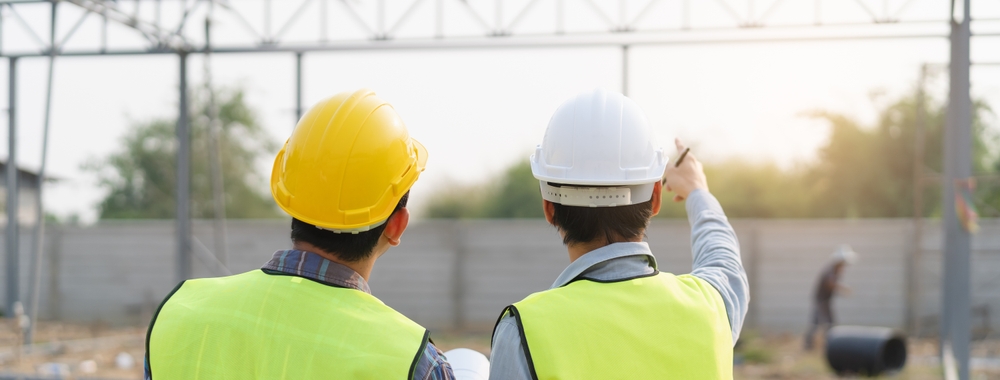
    commercial construction

    Choosing the Right Financing Option

    Selecting the most suitable financing option is crucial for the success of any commercial construction project. Developers must carefully assess factors such as project size, complexity, risk profile, and cash flow requirements before committing to a particular funding strategy.

    Working closely with a trusted commercial builder in Melbourne can make this process significantly easier. Experienced builders provide lenders and investors with confidence through accurate cost estimates, detailed construction plans, and proven delivery expertise. This transparency not only improves the chances of securing finance but also helps mitigate the risk of delays or cost overruns.

    Developers should also consider the balance between debt and equity. While debt financing maintains full ownership, it may increase financial pressure due to repayments and interest. Equity or hybrid solutions reduce this burden but involve sharing profits and decision-making with investors.

    Finally, engaging financial advisors and reviewing multiple financing offers ensures that developers can choose the structure that best aligns with their project goals. By combining strategic planning with expert construction management, commercial projects in Melbourne can secure the right funds and stay on track from conception to completion.

    Do You Need a Commercial Builder in Melbourne?

    Look no further than Lamble Builders. Choosing the right financing option is a critical step in the success of any commercial construction project. Whether using debt, equity, or hybrid solutions, careful planning and expert guidance can make all the difference. Collaborating with an experienced commercial builder in Melbourne ensures accurate cost estimates, realistic timelines, and confidence for lenders and investors alike.

    Get in touch by calling 03 5941 8135 or fill out our online contact form and we will get back to you.

    FAQ Section

    What is the most common financing option for commercial construction in Melbourne?

    Construction loans are the most frequently used, providing short-term funding for building costs with interest-only repayments during construction.

    How does a construction loan differ from a traditional mortgage?

    Construction loans are short-term, cover building costs, and often have interest-only repayments, unlike standard mortgages which are long-term.

    Can investors fund commercial projects alongside a bank loan?

    Yes, equity partnerships and joint ventures allow investors to provide capital while developers also use debt financing, sharing risks and rewards.

    What role does a commercial builder in Melbourne play in securing financing?

    An experienced builder provides detailed project plans, cost estimates, and delivery expertise, giving lenders and investors confidence in the project.

    Are there government programs to support commercial construction financing?

    Yes, certain government-backed loans and grants support projects that boost local employment or infrastructure development in Melbourne.

    What is hybrid financing in commercial construction?

    Hybrid financing combines debt and equity, allowing developers to access larger funds while balancing risk and maintaining partial control over the project.

    How do I decide between debt and equity financing for my project?

    The choice depends on project size, cash flow, risk tolerance, and desired level of control. Consulting a commercial builder and financial advisors can help determine the best option.


  • Construction in Healthcare Facilities: Expert Advice from a Commercial Builder in Melbourne

    Construction in Healthcare Facilities: Expert Advice from a Commercial Builder in Melbourne

    Construction in healthcare facilities is a specialised field that requires technical expertise, strict regulatory compliance, and a deep understanding of patient and staff needs. In Melbourne, where population growth and an ageing demographic are driving demand for modern healthcare and aged care facilities, engaging an experienced commercial builder in Melbourne is essential to deliver projects that meet these complex requirements. Healthcare construction goes beyond traditional building, encompassing infection control systems, accessibility features, and flexible layouts that can accommodate evolving medical technologies. Aged care facilities, in particular, present unique challenges, from dementia-friendly design to communal living spaces that support resident wellbeing. Incorporating sustainable building practices, energy-efficient systems, and innovative modular solutions ensures projects are delivered on time, on budget, and with minimal disruption to ongoing operations. Collaborating with skilled builders guarantees healthcare environments that are safe, functional, and future-ready.

    aged care facility construction

    Overview of Healthcare Facility Construction

    Healthcare facility construction involves more than erecting walls and installing utilities; it is about creating safe, functional, and adaptable spaces for patients, staff, and visitors. In Melbourne, commercial builders are increasingly tasked with delivering hospitals, clinics, and aged care facilities that meet rigorous standards while accommodating evolving medical technology and patient needs.

    The planning phase is critical, as it determines how infrastructure, workflow, and specialised systems integrate seamlessly into the facility. Mechanical, electrical, and plumbing systems must support infection control measures, climate management, and the safe operation of medical equipment. Attention to acoustics, lighting, and wayfinding further enhances the patient experience while supporting staff efficiency.

    Aged care facilities require particular consideration due to the mobility, cognitive, and healthcare needs of residents. Spaces must prioritise accessibility, comfort, and communal areas that foster wellbeing. Modular construction techniques are increasingly adopted in both hospitals and aged care projects, enabling faster delivery and minimal disruption to ongoing operations.

    Construction in healthcare settings also involves strict adherence to Australian standards and regulatory requirements. Builders must coordinate with architects, engineers, and healthcare operators to ensure compliance, functionality, and sustainability across all aspects of the facility, ultimately delivering high-quality environments that serve communities effectively.

    Regulatory Compliance and Standards

    Ensuring regulatory compliance is a fundamental aspect of construction in healthcare facilities. Every project must meet stringent Australian standards to guarantee patient safety, staff protection, and operational efficiency. Builders in Melbourne must navigate a complex landscape of legislation, including building codes, fire safety regulations, accessibility requirements, and infection control protocols. Compliance is particularly critical in aged care facility construction, where the wellbeing of vulnerable residents depends on thoughtful design and execution.

    Healthcare construction requires coordination with multiple stakeholders, including architects, engineers, and healthcare providers, to ensure every element adheres to legal and professional standards. Mechanical, electrical, and plumbing systems must meet regulatory criteria for air quality, water safety, and medical gas delivery. Additionally, aged care facilities must comply with the Aged Care Quality and Safety Commission standards, which emphasise resident safety, mobility, and dignity.

    Adhering to these regulations from the planning stage minimises delays, reduces the risk of costly retrofits, and ensures projects meet both operational and accreditation requirements. Commercial builders in Melbourne leverage their experience to integrate compliance seamlessly with functional and sustainable design. By prioritising regulatory standards, healthcare and aged care facilities can deliver safe, efficient, and future-ready environments that meet community needs.

    aged care facility

    Design Considerations for Healthcare Facilities

    Design plays a pivotal role in construction in healthcare facilities, shaping both the patient experience and operational efficiency. From hospitals to aged care facilities, every layout must balance functionality, safety, and comfort. In Melbourne, builders work closely with architects and healthcare professionals to create spaces that support modern medical practices while anticipating future healthcare needs.

    Patient-centric design is at the heart of healthcare construction. Spaces are planned to optimise circulation, reduce noise, and enhance natural light, all of which contribute to improved recovery outcomes and resident wellbeing.

    Technology integration is another key consideration. Modern healthcare facilities require specialised mechanical, electrical, and plumbing systems to support medical equipment, HVAC systems, and infection control measures. Modular construction and flexible room configurations allow spaces to adapt as medical technology evolves and healthcare demands change.

    Sustainability and energy efficiency are increasingly important in facility design. Builders incorporate water-saving fixtures, energy-efficient lighting, and environmentally friendly materials to reduce operational costs while promoting a healthier environment. Thoughtful design ensures healthcare and aged care facilities are functional, safe, and future-ready.

    Aged Care Facility Construction

    Aged care facility construction has become a critical segment of healthcare infrastructure in Melbourne, driven by a growing ageing population and increasing demand for high-quality, safe, and comfortable living environments. Much like standard healthcare projects, aged care construction must prioritise resident wellbeing, accessibility, and long-term adaptability, making the role of an experienced commercial builder in Melbourne essential.

    Designing aged care facilities involves careful consideration of mobility, cognitive support, and safety. Dementia-friendly layouts, handrails, non-slip flooring, and clear wayfinding are essential features that enhance resident safety and independence. Communal spaces such as lounges, dining areas, and gardens are vital for social interaction, promoting both mental and physical health. Private and shared rooms must balance privacy with accessibility, ensuring comfort without compromising functionality.

    Modern aged care projects increasingly adopt modular construction techniques, which allow for faster delivery, reduced disruption, and high-quality control. These prefabricated units can be tailored to meet specific resident needs, while also enabling flexible expansion as demand grows.

    Ultimately, aged care construction requires a holistic approach that balances safety, comfort, and operational efficiency. By focusing on innovative design, regulatory compliance, and sustainable practices, commercial builders can deliver aged care facilities that meet current needs while remaining adaptable for the future.

    construction in healthcare facility

    Technology and Innovation in Healthcare Construction

    Technology and innovation are transforming construction in healthcare facilities, enabling safer, more efficient, and sustainable environments. In Melbourne, commercial builders are increasingly adopting advanced solutions to meet the growing demands of hospitals, clinics, and aged care facilities. Integrating smart building systems, energy-efficient HVAC, and automated lighting enhances both operational performance and patient comfort.

    Sustainable materials and energy-efficient systems are also central to innovative healthcare construction. Solar power, water-saving fixtures, and environmentally responsible building products reduce operational costs while supporting broader sustainability goals. By embracing technology and innovation, commercial builders in Melbourne can deliver healthcare and aged care facilities that are future-ready, adaptable, and equipped to meet evolving patient and staff needs.

    Construction Challenges and Risk Management

    Construction in healthcare facilities presents unique challenges that require careful planning and risk management. Melbourne commercial builders must balance the complexities of specialised infrastructure, regulatory compliance, and patient safety while keeping projects on schedule and within budget. Minimising disruption is particularly critical in operational hospitals and aged care facilities, where ongoing services cannot be interrupted.

    Coordinating multiple stakeholders—including architects, engineers, healthcare operators, and subcontractors—adds another layer of complexity. Effective communication and project management are essential to prevent delays and ensure all specialised systems, such as medical gas delivery, HVAC, and infection control infrastructure, are installed correctly.

    Risk management also involves anticipating potential challenges, including unforeseen site conditions, supply chain delays, and changes in healthcare regulations. By implementing robust safety protocols, detailed project planning, and flexible construction methods like modular building, commercial builders in Melbourne can deliver healthcare and aged care facilities that are safe, compliant, and operationally efficient, even under demanding circumstances.

    Do You Need a Commercial Builder in Melbourne?

    Look no further than Lamble Builders. Partnering with an experienced commercial builder in Melbourne ensures healthcare and aged care facility projects are delivered safely, efficiently, and to the highest standards. By combining regulatory compliance, innovative design, and sustainable construction practices, builders create functional, future-ready environments that enhance patient care, resident wellbeing, and community outcomes across Melbourne.

    Get in touch by calling 03 5941 8135 or fill out our online contact form and we will get back to you.

    Frequently Asked Questions

    What is healthcare facility construction?

    Healthcare facility construction involves designing and building hospitals, clinics, and aged care facilities that meet strict safety, accessibility, and operational standards. It requires specialised knowledge of infection control, medical systems, patient flow, and compliance with Australian building regulations to ensure safe and functional environments.

    How does aged care facility construction differ from other healthcare projects?

    Aged care facilities prioritise resident safety, accessibility, and wellbeing. Design considerations include dementia-friendly layouts, communal spaces, private and shared rooms, and mobility support. Unlike standard hospitals, aged care construction must balance comfort and independence while maintaining strict compliance with aged care quality and safety standards.

    What challenges do commercial builders face in healthcare construction?

    Builders must manage regulatory compliance, coordinate multiple stakeholders, and integrate specialised medical systems. Additional challenges include maintaining operational continuity during construction, meeting strict infection control standards, and navigating complex mechanical, electrical, and plumbing requirements.

    How can a commercial builder in Melbourne ensure compliance and quality?

    Experienced builders follow Australian building codes, healthcare regulations, and aged care standards from planning to completion. They use detailed project management, digital design tools , and sustainable construction practices to deliver safe, functional, and future-ready facilities.

  • Commercial Building Contract Types: A Melbourne Guide for Successful Projects

    Commercial Building Contract Types: A Melbourne Guide for Successful Projects

    When it comes to commercial building contract types, understanding your options is essential for a successful project. Each contract sets out the responsibilities, costs, and timelines, providing a clear framework that protects both the client and the builder. In Melbourne’s competitive construction landscape, selecting the right contract can be the difference between a smooth build and costly delays.

    Working with an experienced commercial builder in Melbourne ensures that your project aligns with your vision, budget, and regulatory requirements. From fixed-price agreements to more flexible models, commercial contracts vary in structure, risk allocation, and client involvement. By familiarising yourself with these contract types, you can make informed decisions that suit your project’s scale and complexity.

    Lump Sum Contracts

    A lump sum contract is one of the most commonly used commercial building contract types, particularly in Melbourne’s construction sector. Under this arrangement, the builder agrees to complete the project for a fixed price, based on detailed plans and specifications provided by the client. This structure offers clients financial certainty, making it easier to budget and manage costs from the outset.

    One of the key advantages of a lump sum contract is its simplicity. With a clearly defined price and scope, both parties understand their obligations, reducing the likelihood of disputes. This makes it especially popular for office buildings, retail fit-outs, and hospitality developments where project requirements are well-defined.

    However, lump sum contracts also come with potential risks. Any changes to the project scope can result in additional costs, and the client may bear extra charges if modifications are requested after work has commenced. Additionally, the builder may face pressure to manage costs carefully to maintain profitability, which can impact flexibility during construction.

    For clients working with a commercial builder, lump sum contracts offer a clear, straightforward approach to project management. By ensuring that all design details and requirements are thoroughly planned before construction begins, clients can minimise risk, maintain budget control, and enjoy a more predictable timeline, making this contract type a reliable choice for well-defined commercial builds.

    Cost-Plus Contracts

    A cost-plus contract is another common commercial building contract type, offering a flexible approach that reimburses the builder for actual construction costs, plus an agreed fee or percentage. Unlike lump sum contracts, cost-plus arrangements are ideal for projects where design details may evolve during construction, or where unique, bespoke solutions are required.

    One of the key advantages of a cost-plus contract is flexibility. Clients can make adjustments to materials, finishes, or layouts as the project progresses without renegotiating the entire contract. This makes it particularly suitable for complex commercial builds, fit-outs, or innovative office spaces in Melbourne, where adapting designs mid-project is often necessary.

    However, cost-plus contracts also involve certain risks. Since the final price is not fixed, clients may face higher costs if expenses increase, and careful oversight is needed to track spending. Transparency and regular reporting from the builder are essential to ensure the project remains within budget.

    For those working with a commercial builder, a cost-plus contract allows for collaboration and adaptability, providing the opportunity to achieve a high-quality, customised outcome. When managed correctly, this contract type balances flexibility with accountability, giving clients the confidence to make design decisions throughout construction while maintaining control over overall project quality and progress.

    building contract

    Design and Build Contracts

    A design and build contract is a streamlined commercial building contract type where a single entity manages both the design and construction of the project. This integrated approach simplifies communication and coordination, as the client deals with one point of contact rather than separate architects, designers, and builders.

    One of the main advantages of a design and build contract is efficiency. By combining design and construction under one contract, timelines can be shortened, and potential delays due to miscommunication between designers and builders are minimised. This approach is particularly valuable for bespoke commercial projects in Melbourne, such as office complexes, retail fit-outs, or innovative hospitality spaces, where seamless collaboration between design and construction teams is essential.

    Another benefit is cost control. With a single contract covering both design and construction, the scope and budget are easier to manage, reducing the likelihood of unexpected expenses. However, clients should be aware that design and build contracts can reduce direct oversight of subcontractors and design decisions, requiring trust in the expertise of the appointed commercial builder.

    Working with an experienced commercial builder ensures that your project benefits from both professional design input and skilled construction management. By choosing a design and build contract, clients can achieve a cohesive, high-quality commercial space, delivered efficiently and in alignment with their vision, while minimising the risk of delays or misaligned design outcomes.

    Construction Management Contracts

    A construction management contract is a commercial building contract type where a construction manager is appointed to coordinate the work of multiple subcontractors on behalf of the client. Unlike lump sum or design and build contracts, the client holds separate contracts with each trade, while the construction manager oversees scheduling, quality control, and project delivery.

    One of the key benefits of this approach is transparency. Clients have direct visibility over subcontractor agreements and costs, allowing for greater control of the budget and materials. This makes construction management contracts particularly suitable for large-scale commercial projects in Melbourne, such as multi-storey office buildings, industrial facilities, or complex retail developments, where managing multiple trades efficiently is essential.

    Another advantage is risk management. By having a dedicated construction manager, clients can ensure that timelines are adhered to and quality standards are maintained, reducing the likelihood of delays or costly errors. However, these contracts require active client involvement and strong decision-making, as the client assumes some responsibility for managing subcontractors. For those working with a commercial builder, construction management contracts offer a collaborative and transparent approach, providing oversight and control over every stage of the project. This contract type is ideal for clients seeking a high level of involvement while ensuring that complex commercial builds are executed smoothly, efficiently, and to a professional standard.

    commercial builder

    Comparative Analysis of Contract Types

    Choosing the right commercial building contract type depends on the project’s complexity, budget, and desired level of client involvement. Each contract offers distinct advantages and trade-offs, making it essential to understand how they compare.

    Lump sum contracts provide cost certainty and simplicity, making them ideal for well-defined projects. However, they offer limited flexibility if changes are required mid-construction. Cost-plus contracts, in contrast, allow for design adjustments and bespoke solutions but transfer some financial risk to the client, as final costs can fluctuate.

    Design and build contracts streamline the process by combining design and construction responsibilities under one entity. This integration reduces delays and enhances collaboration but requires trust in the builder’s design expertise. Construction management contracts offer transparency and client control over subcontractors, which is particularly useful for large or complex projects, though they demand active client involvement and decision-making.

    For clients looking for a commercial builder, this comparative analysis helps highlight which contract type aligns with project goals, risk tolerance, and budget priorities. Understanding these differences ensures informed decision-making, smoother project execution, and a successful commercial build that meets both design and financial expectations.

    Choosing the Right Contract for Your Project

    Selecting the appropriate commercial building contract type is a critical step in ensuring a smooth and successful project. Factors such as project scope, complexity, budget, and desired level of client involvement all influence which contract is most suitable.

    For well-defined projects with a fixed scope, a lump sum contract may provide the certainty clients need. For bespoke or evolving designs, cost-plus or design and build contracts offer flexibility and integrated solutions. Large-scale developments that require multiple subcontractors may benefit from a construction management contract, providing transparency and oversight.

    Working with an experienced commercial builder in Melbourne can help clients assess these factors, identify potential risks, and choose the contract type that aligns with their goals. By carefully considering the project’s requirements and the level of involvement desired, clients can make informed decisions, streamline communication, and set their commercial construction project up for success from the very beginning.

    Do You Need a Commercial Builder in Melbourne?

    Look no further than Lamble Builders for your commercial construction needs. Understanding commercial building contract types is essential for delivering successful projects in Melbourne’s competitive construction landscape.

    Get in touch by calling 03 5941 8135 or fill out our online contact form and we will get back to you.

    FAQ – Commercial Building Contract Types

    What is the most common commercial building contract type in Melbourne?

    The most common types are lump sum and design and build contracts, widely used for office buildings, retail fit-outs, and hospitality projects due to their clarity, efficiency, and cost predictability.

    How does a lump sum contract differ from a cost-plus contract?

    A lump sum contract sets a fixed price for the project, providing budget certainty, while a cost-plus contract reimburses actual costs plus a fee, offering flexibility but with potential cost fluctuations.

    What are the benefits of a design and build contract?

    Design and build contracts streamline the process by combining design and construction under one entity, reducing delays, improving collaboration, and providing better budget and timeline management.

    When is a construction management contract preferable?

    Construction management contracts are ideal for large or complex commercial projects where clients want transparency, control over subcontractors, and professional oversight throughout the build.

  • Custom Home Building Timelines: How Long Does it Take to Build a Custom Home?

    Custom Home Building Timelines: How Long Does it Take to Build a Custom Home?

    Understanding the custom home building timeline is one of the most important steps in turning your dream home into reality. Whether you’re envisioning a contemporary coastal retreat or a luxury urban residence, knowing what to expect at each stage helps you plan with confidence and clarity. Unlike a standard build, a custom home requires a personalised approach, where every detail, from the initial concept to the final handover, is shaped around your lifestyle and vision. Partnering with an experienced builder ensures the process stays on track and transparent, even when navigating council approvals or design changes. A specialist custom home builder brings precision, craftsmanship, and collaboration to your residential project. By understanding the full timeline, you can make informed decisions, anticipate key milestones, and enjoy the exciting journey of creating a truly one-of-a-kind home.

    Understanding the Custom Home Building Timeline

    Before diving into the design and construction process, it’s essential to understand what a custom home building timeline actually involves. Unlike pre-designed or volume-built homes, a custom home project is tailored to the homeowner’s specific requirements, preferences, and site conditions. This level of personalisation means that every phase – from concept design to completion – must be carefully planned and managed.

    The average timeline for building a custom home in Australia can range from 10 to 18 months, depending on factors such as design complexity, council approvals, weather conditions, and site accessibility. During this period, several key milestones occur, including design development, building permits, site preparation, and the construction phase itself.

    It’s important to note that delays can occur due to supply chain issues, design modifications, or unforeseen ground conditions. However, with transparent communication and professional project management, your builder can ensure each stage flows efficiently.

    Phase One: Design and Planning (3–6 Months)

    The design and planning phase is the foundation of any successful custom home building timeline. This stage sets the direction for the entire project, ensuring your vision aligns with practical considerations such as budget, site conditions, and local building regulations. Working with an experienced commercial builder in Melbourne or a specialist custom home builder can make this process more efficient and enjoyable.

    During this stage, homeowners collaborate closely with architects, designers, and engineers to bring their ideas to life. The process includes concept drawings, design refinement, and finalising detailed plans that comply with the National Construction Code (NCC) and relevant local council requirements. It’s also the time to make early selections for materials, fittings, and finishes – decisions that can influence both cost and construction timeframes.

    Once the design is finalised, the builder will prepare documentation for council approval and building permits. These approvals can take several weeks to several months depending on your local council’s workload and the project’s complexity. Delays at this stage are common but manageable with proper planning and communication.

    By the end of the design and planning phase, you’ll have a clear roadmap, fixed cost estimates, and an approved design ready for construction. This detailed preparation is crucial for minimising disruptions later in the build, ensuring the project progresses on schedule and within budget.

    custom home building plan

    Phase Two: Site Preparation and Approvals (1–2 Months)

    The site preparation phase marks the start of physical progress in your custom home building timeline. After the design and documentation are finalised, your builder coordinates the essential groundwork that prepares the site for construction. This includes clearing vegetation, levelling the land, setting out boundaries, and organising connections for water, electricity, and drainage systems. Proper site preparation ensures a stable foundation and prevents costly issues during later stages of the build.

    At the same time, your custom builder will finalise building permits, insurance, and any other necessary council approvals. These steps are crucial for compliance with local regulations and the NCC particularly if the property has unique conditions such as easements, sloping blocks, or heritage overlays.

    During this stage, soil testing and surveying may also be conducted to confirm ground stability and determine the appropriate footing system for your new home. Any unexpected findings, such as poor soil quality or drainage issues, may extend this phase slightly but are essential for long-term structural integrity.

    By the end of this phase, the site will be fully prepared and compliant, ready for the construction phase to begin. Strong preparation at this point lays the groundwork for a smoother and more efficient build.

    Phase Three: Construction and Building Progress (6–12 Months)

    The construction phase is where your vision becomes a tangible structure, marking the most active part of the custom home building timeline. Once site preparation is complete, your builder begins work on the foundation, framing, roofing, and exterior walls, ensuring every stage complies with engineering standards and safety codes.

    During this time, the structural frame – often steel or timber – is erected, followed by brickwork, windows, and insulation. The home’s skeleton starts to take shape, revealing room layouts and design flow. Once the structure is sealed, trades such as electricians, plumbers, and HVAC specialists begin their work installing wiring, pipes, and ventilation systems.

    Interior work follows, including plastering, flooring, cabinetry, and painting, which gives the space its personality. Regular site inspections are conducted to ensure progress aligns with your contract and quality standards.

    This stage can vary significantly depending on factors like weather conditions, custom design complexity, and material availability. Effective communication with your custom builder during this phase helps maintain realistic timelines and manage expectations.

    By the end of construction, your home will be structurally complete, with all major systems installed, leading into the exciting final stage – handover and finishing touches.

    Phase Four: Final Inspections, Handover, and Moving In (1–2 Months)

    The final phase of your custom home building timeline is where your dream home is officially brought to completion. Once construction is finished, your builder conducts a series of final inspections to ensure the home complies with all building codes, safety standards, and contract specifications. This includes checks on electrical systems, plumbing, insulation, and structural integrity.

    A practical completion inspection (PCI) allows you, the homeowner, to walk through the property with your builder and identify any defects or areas needing touch-ups. It’s an essential step before handover, as it guarantees the home meets the agreed design and quality expectations.

    Once all minor rectifications are complete, the handover process begins. You’ll receive keys, warranties, manuals, and compliance certificates for all installed systems.

    Moving in marks the culmination of months of planning and coordination. However, it’s also a time to familiarise yourself with home maintenance responsibilities to protect your investment. A reliable custom home builder will often schedule a follow-up visit to address any post-construction issues, ensuring your new home performs as beautifully as it looks.

    luxury custom home interior

    Factors That Influence Your Custom Home Building Timeline

    While most custom home builds follow a structured timeline, several factors can impact the duration of your project. Understanding these elements can help you manage expectations and avoid unnecessary delays.

    One of the most significant influences is site conditions. Uneven land, poor soil quality, or accessibility issues can add extra time for earthworks or foundation stabilisation. Similarly, weather conditions – particularly heavy rain or extreme heat – can disrupt outdoor work schedules and cause temporary construction pauses.

    The complexity of your design also plays a major role. A home with bespoke architectural features, intricate joinery, or advanced energy-efficient systems will naturally take longer to construct than a simpler floor plan. The choice between custom materials and standard options can affect procurement times, especially if products are imported or made to order.

    Another key factor is council approvals and permits. While experienced builders in Melbourne can streamline the documentation process, planning delays are sometimes inevitable, particularly for larger or heritage-adjacent sites.

    Finally, builder experience and project management efficiency have a direct impact. A seasoned custom home builder will maintain clear communication, coordinate subcontractors effectively, and mitigate delays before they escalate.

    Tips to Keep Your Custom Home Build on Schedule

    Staying on track during the building process requires careful planning and clear communication. From the outset, working closely with a reputable custom builder in Melbourne ensures your project is managed efficiently and potential setbacks are minimised.

    One of the best ways to avoid delays is to finalise your design and material selections early. Changes made mid-build can disrupt scheduling and increase costs. Keeping consistent communication with your builder also helps resolve issues quickly and maintain momentum on-site.

    By collaborating with an organised and transparent custom home builder, you can enjoy a seamless construction experience and move into your dream home on time and within budget.

    Do You Need a Custom Builder in Melbourne?

    A clear understanding of the custom home building timeline is essential for a successful project. By anticipating each stage homeowners can make informed decisions and avoid unnecessary delays. Working with an experienced custom builder in Melbourne ensures professional project management, timely communication, and adherence to council regulations. Careful planning, early design finalisation, and proactive collaboration with your builder allow the build to progress efficiently. Ultimately, patience and preparation result in a home that reflects your lifestyle, design vision, and long-term investment goals.

    Get in touch with Lamble Builders for your custom home building and commercial building needs. As leading builders in Melbourne, we have the expertise to assist you, backed by over 40 years of industry experience.

    Contact us by calling 03 5941 8135 or fill out our online contact form and we will get back to you.

    Frequently Asked Questions

    How long does it take to build a custom home in Melbourne?

    The average timeline for a custom home in Melbourne ranges from 12 to 24 months. Luxury or architecturally complex homes may take longer depending on design features, council approvals, and site conditions.

    What factors influence the custom home building timeline?

    Key factors include site conditions, design complexity, material selection, council approvals, weather, and the efficiency of the builder’s project management.

    How do council approvals affect the timeline?

    Permits and approvals can take several weeks to months depending on the council, zoning, and whether heritage or environmental overlays are involved.

    What happens during the construction phase?

    Construction includes site preparation, foundation work, framing, roofing, and internal fit-out, with regular inspections to ensure compliance and quality.

    How can homeowners avoid delays?

    Finalising designs early, selecting materials promptly, maintaining consistent communication, and choosing an experienced builder helps minimise disruptions.

  • Is Triple Glazing Worth It? A Commercial Building Guide

    Is Triple Glazing Worth It? A Commercial Building Guide

    When it comes to designing energy-efficient spaces, many ask the question: is triple glazing worth it? For a commercial builder in Melbourne, this decision isn’t just about glass, it’s about balancing long-term performance with upfront investment. In commercial projects, glazing plays a pivotal role in shaping not only energy consumption but also comfort, acoustics, and sustainability outcomes. This month, we explore the costs, benefits, and alternatives, helping decision-makers understand whether triple glazing is the right choice for their commercial projects in Melbourne.

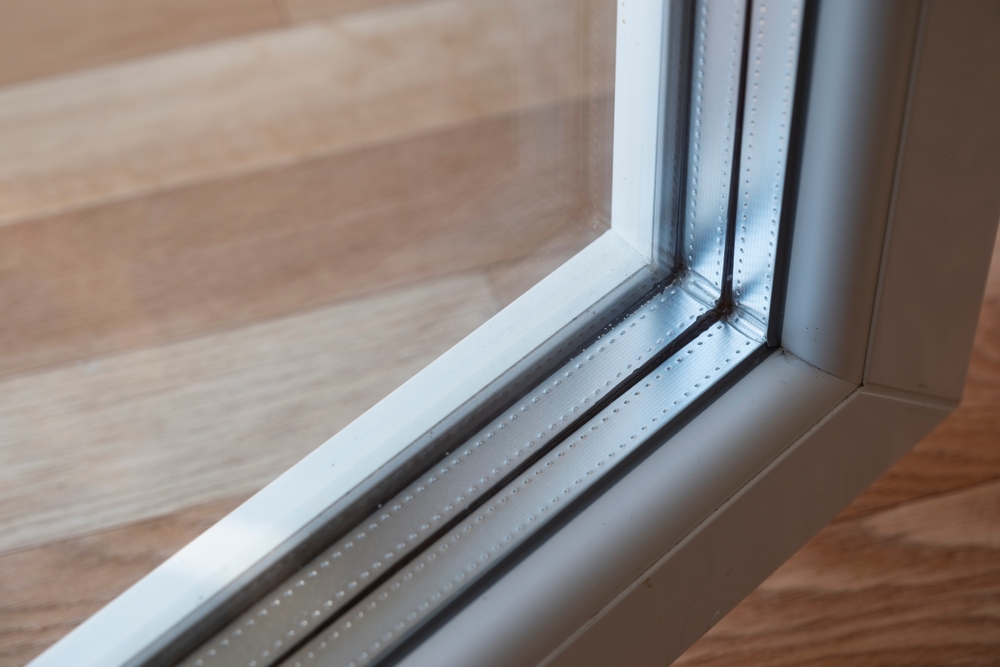
    triple glazing window frame

    Understanding Triple Glazing in Commercial Construction

    Triple glazing refers to a window system that uses three panes of glass separated by insulating gas-filled cavities, designed to enhance both thermal efficiency and acoustic insulation. In commercial construction, the choice of glazing impacts far more than aesthetics; it directly influences energy performance, occupant comfort, and operational costs. With Melbourne’s climate presenting cool winters and warm summers, builders are increasingly exploring whether the benefits of triple glazing outweigh its higher initial cost.

    The additional pane in a triple-glazed unit reduces heat transfer, helping to maintain a stable indoor temperature. This is particularly valuable in large office buildings, retail centres, or healthcare facilities where consistent climate control is essential. Reduced reliance on HVAC systems can lead to long-term savings, even if the upfront investment is higher.

    For commercial projects, triple glazing also offers improved soundproofing, which is a major consideration in dense urban areas or near high-traffic zones. By mitigating external noise, businesses can create more productive, comfortable environments. While double glazing remains the standard, triple glazing is emerging as a premium solution for projects prioritising sustainability, energy ratings, and occupant wellbeing, aligning with broader goals for greener, smarter commercial buildings.

    The Benefits of Triple Glazing for Commercial Buildings

    Triple glazing is often promoted for its superior thermal insulation, which can significantly reduce heat loss during Melbourne’s cooler months while also limiting heat gain in summer. For commercial properties, this means less reliance on artificial heating and cooling, lowering both energy consumption and operational expenses over the building’s lifespan. In a competitive property market, buildings that demonstrate energy efficiency can also attract higher-value tenants seeking lower running costs and improved comfort.

    Noise reduction is another important advantage. Commercial hubs are frequently located in high-traffic areas, close to roads, railways, or airports. Triple glazing provides excellent acoustic insulation, helping to create quieter indoor environments. For offices, healthcare facilities, and hospitality venues, this translates into enhanced productivity, better client experiences, and improved occupant wellbeing.

    In addition to comfort and efficiency, triple glazing supports sustainability initiatives by contributing to higher Green Star or NABERS ratings. With growing pressure for commercial builders to deliver environmentally responsible projects, glazing choices can play a key role in achieving compliance with energy performance standards.

    By combining sustainability, comfort, and long-term savings, triple glazing presents itself as a forward-thinking solution for many commercial projects.

    Eco-friendly green office

    The Costs and Challenges of Triple Glazing

    While the advantages of triple glazing are clear, the higher upfront costs can be a significant hurdle for many commercial projects in Melbourne. Compared to double glazing, the additional pane, specialised gas fills, and thicker frames make triple-glazed units considerably more expensive to manufacture and install. For developers and businesses, this means weighing long-term energy savings against the initial investment.

    The added weight of triple glazing can also pose challenges in construction. Heavier units require stronger window frames and may impact structural load considerations, particularly in high-rise commercial buildings. This can lead to increased material costs and, in some cases, longer installation times. Commercial builders must also account for the impact on façade design and ensure that the building envelope can support the system.

    Another factor is Melbourne’s climate. Unlike colder European regions where triple glazing is almost essential, Melbourne’s moderate conditions mean the performance benefits may not always justify the premium. In some situations, high-performance double glazing can achieve similar results at a lower cost.

    Ultimately, the decision comes down to project priorities. For developments focused on sustainability, energy ratings, and long-term operational efficiency, triple glazing may deliver value. However, for projects with tighter budgets, it may not always be the most practical choice.

    Comparing Triple Glazing with Double Glazing

    When considering is triple glazing worth it, the comparison with double glazing is essential. Double glazing remains the standard choice for most commercial buildings in Melbourne due to its balance of performance and cost-effectiveness. It provides solid thermal insulation, effective noise reduction, and compliance with the National Construction Code (NCC) requirements.

    Triple glazing, however, takes these benefits further by offering higher levels of energy efficiency and acoustic comfort. The additional pane and gas-filled cavity reduce heat transfer more effectively, making it particularly beneficial in energy-intensive facilities or high-noise environments. For commercial projects prioritising sustainability, this can help achieve stronger environmental credentials such as NABERS or Green Star ratings.

    The decision between double and triple glazing often comes down to budget and performance priorities. While double glazing is sufficient for many projects, triple glazing provides a premium solution where long-term efficiency and occupant wellbeing are paramount.

    Climate Considerations: Is Triple Glazing Necessary in Melbourne?

    When assessing is triple glazing worth it, Melbourne’s climate must be a key consideration. Unlike regions in Europe or North America where extreme winters make triple glazing almost essential, Melbourne experiences a relatively temperate climate. This means the insulation benefits of triple glazing, while valuable, may not always deliver the same return on investment as in colder environments.

    During winter, Melbourne does face cool temperatures, and triple glazing can help reduce heat loss, improving indoor comfort in large-scale commercial buildings. In summer, however, the city is more concerned with managing solar heat gain. This highlights the importance of window orientation, shading devices, and glazing coatings, which can sometimes provide similar efficiency outcomes without the added cost of a third pane.

    For many commercial projects, advanced double glazing combined with low-emissivity coatings and quality frame systems may offer a more cost-effective solution. These options can meet compliance standards under the National Construction Code (NCC) while still delivering strong thermal and acoustic performance.

    That said, in certain applications—such as hospitals, premium office towers, or developments pursuing top-tier Green Star ratings—triple glazing can still be justified. In these cases, the added insulation and noise control contribute to improved occupant wellbeing and long-term sustainability. Ultimately, understanding Melbourne’s climate profile helps determine whether triple glazing is a necessity or simply a desirable upgrade for specific projects.

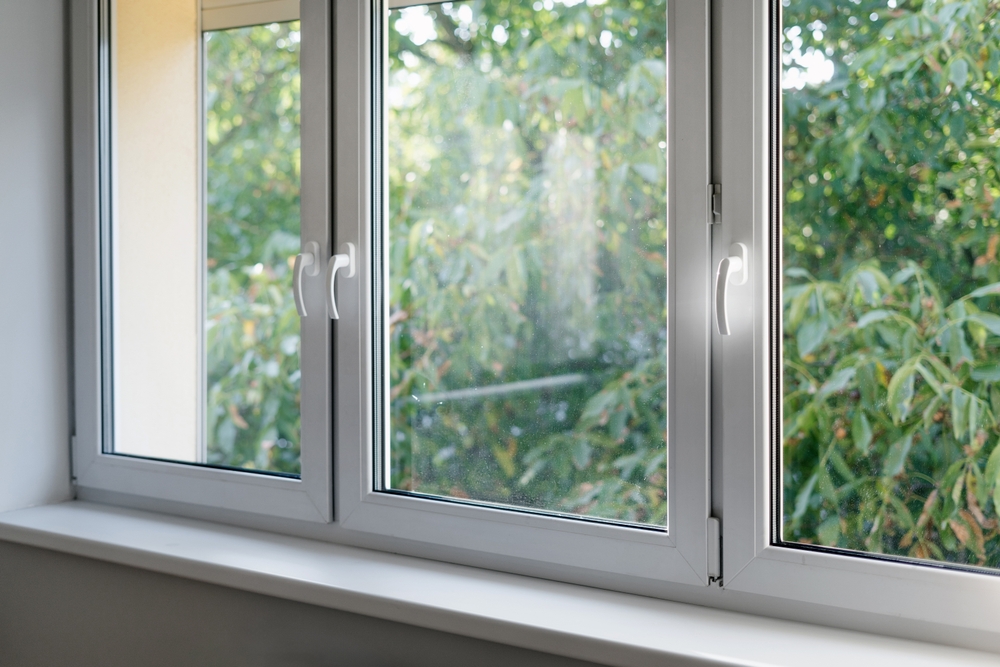
    white window frame

    Sustainability and Energy Ratings

    Triple glazing contributes directly to improved sustainability outcomes in commercial buildings. By delivering higher levels of thermal insulation, it reduces reliance on heating and cooling systems, cutting overall energy consumption. This aligns with Melbourne’s growing focus on green building practices and the push for lower carbon emissions across the construction sector.

    For developers, the choice of glazing can influence formal certifications such as NABERS and Green Star ratings. These frameworks reward energy efficiency and resource conservation, both of which are strengthened through the use of triple-glazed systems.

    Sustainable design is not just about compliance but also about creating long-term value. Tenants and investors increasingly seek buildings that demonstrate environmental responsibility, and premium glazing solutions can enhance marketability. By combining reduced operational costs with improved sustainability credentials, triple glazing positions commercial developments as future-ready assets in Melbourne’s evolving property landscape.

    Is Triple Glazing Worth It?

    Determining whether triple glazing is worth it for commercial buildings in Melbourne depends on a combination of factors, including climate, building use, budget, and sustainability goals. For projects prioritising energy efficiency, acoustic comfort, and high environmental ratings such as Green Star, the added cost can be justified through long-term savings and improved occupant wellbeing.

    Triple glazing provides superior thermal insulation, reduces heating and cooling demands, and enhances acoustic performance in busy urban environments. It also supports compliance with the National Construction Code (NCC) and strengthens the overall sustainability profile of the building.

    However, for developments where budget constraints are tight or the climate is moderate, high-performance double glazing with Low-E coatings and thermally broken frames can achieve similar outcomes at a lower cost. Ultimately, commercial projects should assess the trade-offs between upfront investment and long-term benefits, considering both operational efficiency and occupant comfort when deciding whether to adopt triple glazing.

    Are You Looking for a Commercial Builder in Melbourne?

    If you need a commercial builder, get in touch with Lamble Builders. As experienced builders in Melbourne, we are proud to provide you with over 40 years of industry expertise in delivering outstanding commercial solutions.

    When you need a commercial builder, contact us at 03 5941 8135 or fill out our online contact form and we will get back to you.

    Frequently Asked Questions

    What is the difference between triple glazing and double glazing for commercial buildings?

    Triple glazing consists of three panes of glass with insulating gas fills, whereas double glazing has two. The extra pane in triple glazing provides better thermal insulation, improved acoustic performance, and can enhance energy efficiency for large commercial properties.

    Does triple glazing save enough on energy bills to justify its cost in Melbourne?

    Triple glazing can reduce heating and cooling demand, particularly in energy-intensive buildings. However, in Melbourne’s temperate climate, high-performance double glazing may offer similar energy savings at a lower upfront cost.

    How long does it take to see a return on investment for triple glazing?

    The payback period depends on building size, HVAC usage, and climate. For commercial buildings with large glazed façades, the return can take several years but may be justified by improved comfort and sustainability credentials.

    Is triple glazing beneficial for noise reduction?

    Yes, triple glazing significantly reduces external noise, making it ideal for offices, hotels, and healthcare facilities in busy urban areas.

    Are there regulatory requirements for triple glazing in commercial projects?

    While not mandated, triple glazing helps meet National Construction Code (NCC) energy efficiency standards and can support higher Green Star or NABERS ratings.

    Can triple glazing impact building sustainability and tenant appeal?

    Yes, it improves energy efficiency, occupant comfort, and can enhance the building’s environmental credentials, making it more attractive to tenants and investors.

  • Building Regulations in Melbourne: A Complete Guide for Commercial Builders

    Building Regulations in Melbourne: A Complete Guide for Commercial Builders

    Building regulations in Melbourne are a critical consideration for any commercial construction project. Navigating these rules can feel complex, but understanding them early is essential to ensure compliance, safety, and project efficiency. From planning permits to building permits and mandatory inspections, every stage of a commercial build is governed by specific legislation and local council requirements. For commercial builders, architects, and developers, keeping up-to-date with the Building Act 1993 (Vic), the Building Regulations 2018, and the National Construction Code is vital to avoid costly delays or penalties. In this guide, we break down commercial building regulations, explore the roles of key regulatory bodies, and highlight the importance of choosing a reputable commercial builder in Melbourne for your projects.

    commercial building project Melbourne

    Overview of Building Regulations in Melbourne

    Understanding building regulations Melbourne is crucial for commercial builders, developers, and investors looking to undertake construction projects safely and legally. These regulations exist to ensure that all buildings meet minimum standards for safety, accessibility, energy efficiency, and structural integrity. In Melbourne, the regulatory framework combines state legislation with local council requirements, creating a comprehensive system that governs every stage of a commercial build.

    At the state level, the Building Act 1993 (Vic) establishes the legal foundation for building work, while the Building Regulations 2018 (Vic) provide detailed requirements for compliance with the National Construction Code (NCC). The NCC sets out minimum standards for health, safety, amenity, and sustainability across commercial buildings, covering Classes 2–9, including offices, retail spaces, and industrial facilities.

    Local councils play a vital role in administering planning and building permits, enforcing zoning laws, and ensuring developments align with the character and safety standards of their municipality. They often collaborate with registered building surveyors to issue permits and oversee inspections.

    For commercial builders, staying informed about these construction standards Victoria and local variations is essential to avoid delays, penalties, and costly rework. Combining compliance with smart project management ensures successful, high-quality commercial construction projects that meet both legal and client expectations.

    Key Legislation Governing Commercial Building

    Commercial construction in Victoria is primarily shaped by a combination of national and state-based frameworks, with building regulations Melbourne designed to ensure safety, functionality, and sustainability. The cornerstone of this framework is the Building Act 1993 (Vic), which establishes the overarching legal responsibilities for builders, surveyors, and property owners. This Act provides the authority for issuing building permits, conducting inspections, and enforcing compliance across all commercial projects.

    Supporting the Act are the Building Regulations 2018 (Vic), which provide detailed provisions for building work. These regulations cover essential aspects such as energy efficiency, accessibility standards, fire safety measures, and requirements for plumbing and drainage systems. For commercial builders, understanding these requirements is crucial to avoid non-compliance, delays, and additional costs.

    Alongside state legislation, the National Construction Code (NCC) operates as the benchmark for all building work across Australia. The NCC sets minimum standards for structural integrity, health, safety, and amenity, applying specifically to commercial building classifications such as offices, warehouses, hospitals, and schools.

    Planning and Permits in Melbourne

    Before any commercial construction can commence, securing the correct planning permits and building permits is a fundamental step in meeting building regulations Melbourne. The process begins at the local council level, where planning permits are assessed to ensure the proposed development aligns with zoning requirements, land use controls, and broader urban planning strategies. This step is particularly important for commercial builders, as it ensures projects complement the surrounding community and infrastructure.

    Once planning approval is granted, a building permit is required. This permit, usually issued by a registered private or municipal building surveyor, confirms that the proposed design complies with the National Construction Code (NCC) and the Building Regulations 2018 (Vic). It is a legal requirement before construction can begin and provides the framework for subsequent inspections throughout the build.

    Safety, Accessibility and Sustainability Standards

    A central focus of building regulations Melbourne is ensuring that commercial buildings meet high standards of safety, accessibility, and sustainability. These requirements protect not only occupants but also the broader community, making them a vital consideration for every stage of a project.

    Safety provisions within the National Construction Code (NCC) and the Building Regulations 2018 (Vic) are designed to minimise risks associated with fire, structural failure, and emergency evacuation. For commercial buildings such as offices, retail centres, and industrial facilities, this means integrating compliant fire exits, emergency lighting, and fire-resistant materials, as well as ensuring that the structural integrity of the building meets prescribed standards.

    Equally important are accessibility standards, which guarantee that commercial spaces are inclusive and usable by people of all abilities. The regulations draw heavily from the Disability Discrimination Act (DDA) and require features such as ramps, lifts, accessible toilets, and clear signage. For builders, these considerations are not only legal obligations but also opportunities to design spaces that foster inclusivity and customer satisfaction.

    Sustainability is another growing priority in commercial construction. Regulations now mandate energy efficiency measures, including insulation, efficient lighting systems, and water-saving installations. By meeting these requirements, builders contribute to reducing operational costs and minimising environmental impact, while aligning projects with Victoria’s broader sustainability goals.

    Inspections, Compliance and Enforcement

    Compliance with building regulations Melbourne does not end once permits are issued. Throughout the commercial construction process, mandatory inspections play a critical role in ensuring that every stage of the build adheres to approved plans and relevant legislation. These inspections are typically carried out by a registered building surveyor, who verifies structural safety, fire protection systems, accessibility features, and energy efficiency measures before approving work to proceed.

    Inspections occur at key milestones, such as before concrete is poured, after framing is complete, and prior to occupancy. Each stage must meet the standards outlined in the National Construction Code (NCC) and the Building Act 1993 (Vic). A failure to comply can result in stop-work notices, fines, or costly rectification work, all of which can delay project delivery.

    Enforcement of compliance ensures that buildings remain safe, accessible, and sustainable long after completion. Commercial builders must also provide occupancy permits or certificates of final inspection before tenants can legally use the space. These documents serve as confirmation that the building satisfies all regulatory obligations. By prioritising inspections and compliance at every step, commercial construction projects in Melbourne can achieve both regulatory approval and long-term operational success.

    The Role of Building Surveyors and Certifiers

    In Melbourne, building surveyors and certifiers are integral to maintaining compliance with the complex web of building regulations that apply to commercial construction. Their primary responsibility is to act as independent regulators who ensure that projects align with the Building Act 1993 (Vic), the Building Regulations 2018, and the National Construction Code (NCC).

    A registered building surveyor is responsible for issuing building permits, conducting inspections, and ultimately granting occupancy permits. They act as a safeguard, verifying that designs and completed works meet structural, safety, accessibility, and sustainability standards. Without their approval, a commercial building cannot be legally occupied or operated, making their involvement essential from project inception through to completion.

    Certifiers also provide valuable guidance to builders and developers by interpreting regulatory requirements and identifying potential compliance issues before they escalate. For custom and commercial building companies, engaging closely with a surveyor or certifier ensures smoother project delivery, fewer delays, and greater confidence that the final product will meet both client expectations and legal obligations.

    Are You Looking for a Commercial Builder in Melbourne?

    If you need to navigate commercial building regulations, get in touch with Lamble Builders. As experienced commercial builders in Melbourne, we are proud to provide you with over 40 years of industry expertise in delivering outstanding commercial solutions.

    When you need a commercial builder, contact us at 03 5941 8135 or fill out our online contact form and we will get back to you.

    Frequently Asked Questions

    What are the key building regulations for commercial projects in Melbourne?

    The main regulations governing commercial construction in Melbourne are the Building Act 1993 (Vic), the Building Regulations 2018, and the National Construction Code (NCC). These set out rules for safety, accessibility, sustainability, and energy efficiency. Local council planning schemes also add requirements that can affect design and approvals.

    Do I need both a planning permit and a building permit?

    Yes, in most cases commercial projects require both. A planning permit ensures the proposed development aligns with council zoning, land use, and urban planning policies. A building permit, on the other hand, is issued by a registered building surveyor and confirms that the design and construction comply with the NCC and Victorian building regulations.

    How do building inspections work for commercial projects?

    During construction, mandatory inspections are carried out at key stages, such as footing, frame, fire safety systems, and final completion. These inspections ensure compliance with the approved plans and building permit. A certificate of final inspection or occupancy permit is only issued once all requirements are met.

    What happens if my commercial project doesn’t comply with Melbourne building regulations?

    Non-compliance can lead to serious consequences, including fines, rectification orders, or even demolition of unauthorised work. For commercial builders and developers, the reputational and financial risks are significant. Working with qualified professionals ensures compliance from the outset, avoiding costly delays or enforcement action.

    How can a commercial builder help navigate Melbourne’s building regulations?

    A specialist commercial builder understands the complex landscape of planning schemes, building codes, and compliance requirements. They can coordinate with architects, building surveyors, and local councils to streamline approvals, manage inspections, and integrate sustainable design solutions. This expertise reduces risks, ensures timelines are met, and helps deliver compliant, high-quality outcomes.

  • What to Know Before Building Your Luxury Custom Home: Avoiding 6 Common Pitfalls

    What to Know Before Building Your Luxury Custom Home: Avoiding 6 Common Pitfalls

    Building your luxury dream home is one of the most rewarding and exciting ventures you can undertake. It is a chance to create a space tailored entirely to your lifestyle, tastes, and long-term goals. However, with such a significant investment—both financially and emotionally—comes the need for careful planning and strategic decision-making. Across Australia, the demand for luxury custom homes continues to grow, but so too do the challenges that can arise during the building process. This month, we explore five of the most common pitfalls of building luxury custom homes – and how to avoid them – so that you can bring the home of your dreams to life smoothly.

    1. Lack of a Clear Vision and Brief

    One of the first—and most critical—steps in building a luxury home is developing a clear and detailed brief. Without it, the process can easily become unfocused, leading to delays, miscommunication, and design compromises.

    Your brief should clearly outline your must-haves, lifestyle needs, preferences, and priorities. Think about how you live now and how that might change over time. Will you need space for a growing family? Do you want areas for entertaining? Are you envisioning a wellness retreat, a high-tech home office, or an art gallery wall? These considerations will influence everything from the floor plan to material choices.

    Working with an experienced custom home builder can help you articulate your vision. They can also flag inconsistencies or unrealistic expectations early, saving you from issues down the track.

    2. Ignoring Site-Specific Factors

    Every block of land is different—and failing to consider your site’s specific conditions can lead to major issues later. Factors like orientation, slope, soil quality, access, and local council regulations all influence design and construction. In Australia, where the climate can vary dramatically across regions, orientation is particularly important. A well-designed home will take advantage of natural light and passive heating and cooling, helping to reduce your energy consumption and improving comfort within the home.

    Engaging your builder early for a thorough site analysis will ensure your home is designed to suit both the environment and the landscape. This might mean adjusting window placement, incorporating natural shading, or planning retaining walls.

    3. Overcomplicating the Design

    Luxury doesn’t necessarily mean excessive or complicated. In fact, some of the most sophisticated homes in Australia are defined by their simplicity, flow, and functionality. Trying to include too many features or trends can lead to a disjointed, cluttered home that feels overwhelming rather than luxurious.

    Instead, we recommend that you focus on timeless design principles: balance, proportion, and cohesion. In addition, prioritise high quality materials and classic finishes over more ‘trendy’ embellishments that may date quickly. Your home should reflect you – your lifestyle, preferences, and personality – not simply what is trending right now.

    4. Not Planning for the Future

    A common oversight when building a dream home is designing only for the present. While it is important to meet your current needs, it’s equally crucial to consider how your circumstances might change.

    Think long-term: will you want a guest suite or multi-generational living area? Could your children or elderly relatives eventually live with you? Will your home remain accessible as you age? Incorporating flexible spaces, wide doorways, and single-level living zones can help future-proof your home without compromising on luxury.

    5. Trying to Rush the Process

    Luxury does take time. Rushing decisions or trying to fast-track your build can lead to compromises that affect the final result. Whether it is choosing finishes too quickly or trying to push your builder to meet unrealistic deadlines, haste can often lead to regret.

    Plan for adequate time in each stage of the process—from design and approvals to construction and final fit-out. This not only ensures a higher-quality result but also allows you to enjoy the journey rather than feel overwhelmed by it.

    6. Choosing the Wrong Builder

    Your choice of builder is perhaps the most important decision you’ll make. A luxury home requires a high level of craftsmanship, attention to detail, and a collaborative approach. Not every builder has the experience or the expertise to deliver this.

    Look for a custom builder with a strong portfolio of luxury homes and client testimonials. Ask about their process, communication style, and the subcontractors they work with. Do they take time to understand your vision? Are they transparent about timelines and costs? Are they responsive to your questions?

    In Australia, make sure your builder is fully licensed and insured. Check with your state’s building authority to verify their credentials. A reputable builder will also be happy to show you previous projects from past clients.

    Are You Ready to Build a Luxury Custom Home?

    If you are looking to take the first step towards the luxury custom home of your dreams, look no further than Lamble Builders. We are proud to offer you exceptional custom residential and commercial building solutions, backed by over 40 years of industry experience.

    Contact us at 03 5941 8135 or fill out our online contact form and we will get back to you.

  • Innovative Trends in Commercial Construction: How Melbourne Commercial Builders are Shaping the Future

    Innovative Trends in Commercial Construction: How Melbourne Commercial Builders are Shaping the Future

    commercial builder melbourne

    Melbourne has long been recognised as a hub of architectural excellence and progressive urban development. As the city continues to grow, so too does the need for smarter, more sustainable, and highly efficient commercial buildings. Commercial construction in Melbourne is undergoing a dynamic transformation, driven by a combination of innovation, technology, and evolving business needs. Commercial builders in Melbourne are not only meeting modern expectations but are also setting the pace for the future of commercial design and construction across Australia.

    Sustainability at the Core

    One of the most defining trends in modern commercial construction is the shift towards sustainable practices. In Melbourne, where climate consciousness is increasingly influencing planning regulations and consumer choices, green building is no longer a niche—it is a standard. Builders are incorporating eco-friendly materials such as recycled steel, reclaimed timber, and low-VOC (volatile organic compound) finishes to minimise environmental impact.

    Solar power integration is becoming routine, with many commercial developments including solar panels and battery storage systems as part of their base offering. Rainwater harvesting, green roofs, and energy-efficient HVAC systems are also becoming widespread. In a city as environmentally aware as Melbourne, these features are not only good for the planet but also attractive to businesses seeking to enhance their corporate social responsibility profile.

    Smart Buildings and Automation

    The rise of smart buildings is reshaping how commercial spaces are designed and operated. Builders are increasingly integrating Internet of Things (IoT) technology to create intelligent environments that can self-regulate for optimal comfort and energy efficiency. Features such as automated lighting, smart climate control, and advanced security systems are standard inclusions in modern commercial developments.

    These smart systems can also collect and analyse data to improve operational efficiency and reduce costs. For example, motion sensors can regulate lighting and HVAC use based on occupancy, while advanced monitoring systems provide real-time insights into energy consumption. Melbourne builders are adopting these technologies to create responsive spaces that adapt to the needs of their occupants.

    Adaptive Reuse and Heritage Integration

    With space at a premium in many inner-city locations, Melbourne is seeing a rise in adaptive reuse projects. This involves repurposing existing buildings—often with historical significance—into modern commercial spaces. Builders are finding innovative ways to preserve the heritage character of a site while upgrading it to meet contemporary standards for functionality and sustainability.

    This trend is particularly strong in areas such as Collingwood, Carlton, and Fitzroy, where old warehouses and factories are being transformed into sleek office spaces, design studios, and tech hubs. It not only preserves the city’s architectural legacy but also reduces the environmental impact associated with demolition and new builds.

    Health and Wellness-Centric Design

    Post-pandemic, there has been a significant shift towards health-conscious design in commercial spaces. Builders are focusing on creating environments that promote physical and mental well-being. Improved air filtration systems, access to natural light, acoustic comfort, and the use of non-toxic materials are all becoming essential elements in commercial construction. Buildings are increasingly being designed with end-of-trip facilities for cyclists, green outdoor spaces, and amenities that encourage movement and interaction. These design features not only support healthier lifestyles but also contribute to improved employee satisfaction and productivity, making them a priority for forward-thinking businesses.

    Flexible and Multi-Purpose Spaces

    The modern commercial building is no longer a rigid structure built for a single purpose. Melbourne builders are responding to changing workplace needs by creating flexible, multi-use spaces that can adapt over time. This includes moveable walls, modular furniture, and open-plan designs that can be easily reconfigured. Flexibility is particularly valuable in co-working environments, education facilities, and innovation hubs, where the use of space may change frequently. By incorporating adaptable elements from the outset, commercial builders ensure that their projects remain relevant and functional as businesses evolve.

    Aesthetic Innovation and Identity

    While function and sustainability are crucial, design aesthetics still play a significant role in commercial construction. Melbourne builders are embracing bold architectural statements that reflect the city’s creative culture and cosmopolitan character. Innovative facades, sculptural elements, and artistic integration help commercial buildings stand out while remaining sensitive to the urban fabric. Further, architecture is increasingly being used to convey brand identity. Builders work closely with architects and clients to deliver visually striking spaces that reflect the ethos of the organisation occupying them.

    Do You Need Commercial Builders in Melbourne?

    Look no further than Lamble Builders for your commercial building needs. We are proud to provide you with over 40 years of industry experience in delivering outstanding commercial building solutions. From aged care facilities to educational structures and industrial premises, our licensed and experienced commercial building team can turn your vision into a reality. In addition, if you have a residential project in mind, we would also be happy to assist you. When you need a commercial building company, contact us at 03 5941 8135 or fill out our online contact form and we will get back to you.