Category: Education

  • Designing An Efficient School Building

    Designing An Efficient School Building

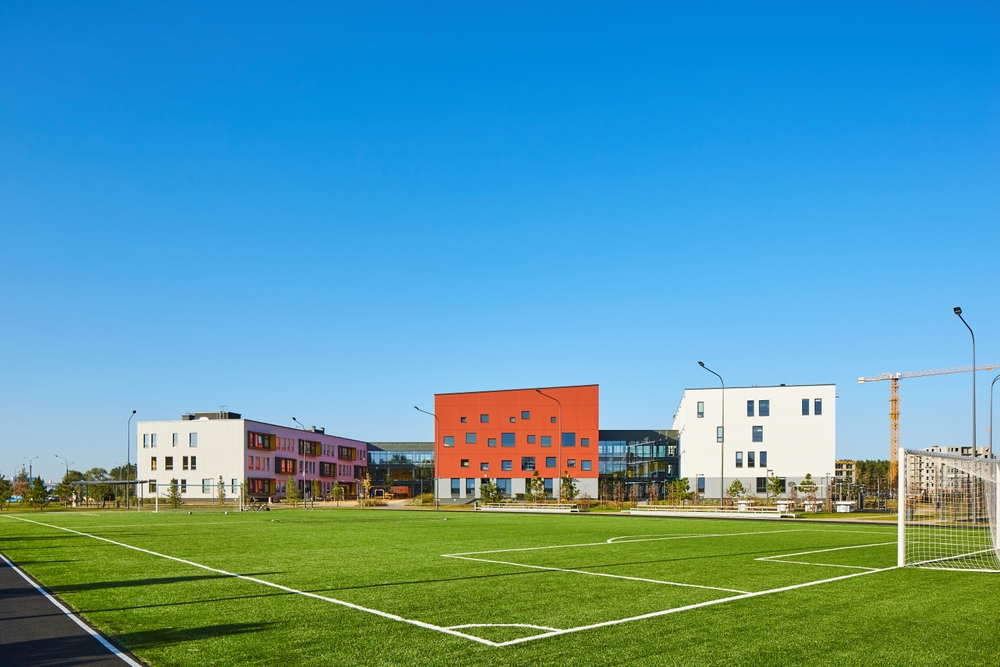
    Schools are where the future of our planet are raised and taught the basics of life. It’s where children and teenagers decide which path they want to go down. It’s more than that, though. It’s also a social environment where kids can mingle and get to know other people their age that are going through similar experiences. It’s a setting where they can play and learn a lot of valuable lessons – not just in the classroom. As custom builders in Pakenham, we believe that the literal foundation for all these things begins with a well-designed school campus. Join us as we take a look at some features that make this work.
    Design around your curriculum

    Determining the type of school you want to create is essential to the process. For today’s blog, we’re going to be concentrating specifically on secondary campuses. How many students are you expecting? What will their interests be? If you know a lot of your students will be creatives, then you might want to concentrate your funding on modern art rooms.

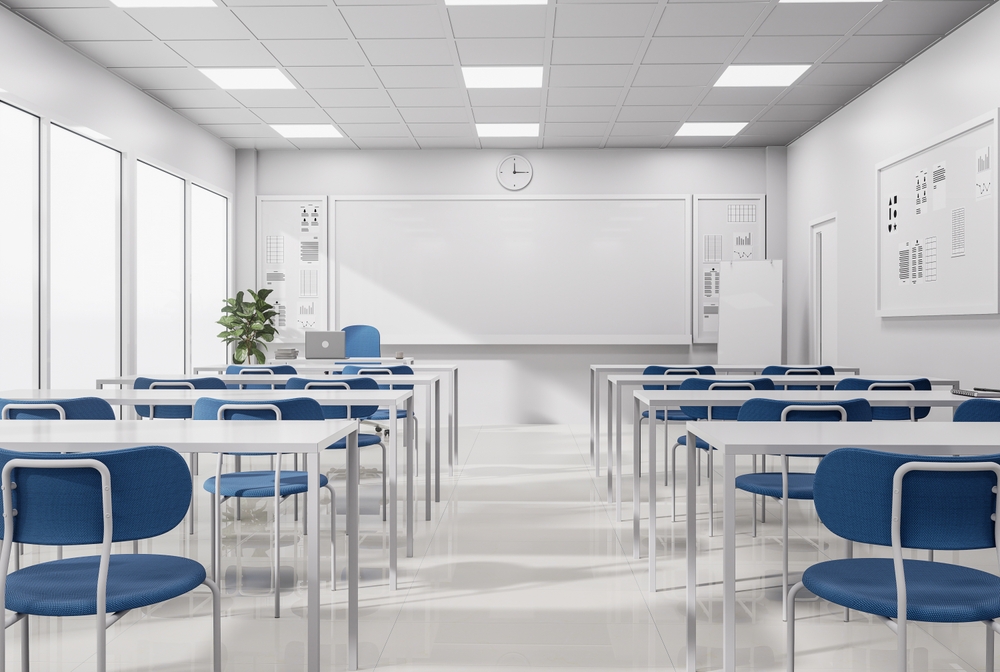
    When designing a school, however, it can be hard to know what sort of students you’ll be hosting. This is when you should look at your curriculum and try to model the school off of that. A good all-round campus should feature classrooms which seat at least 30 students comfortably – in addition to smaller rooms for more specialist classes or small study groups. 

    Music and art rooms are essential in today’s day and age as well and should be larger than the average classroom. All classrooms should have windows to let natural light in. Studies have shown that exposure to natural light can increase productivity as well as improve one’s mood and concentration.

    How many levels do you need?

    Whilst having a two or even three-storey building can be advantageous in that it won’t take up much room and can be a lot easier to navigate – it can also be a nuisance. If the classroom above is making unnecessary noise, then they could inadvertently disturb your class below. If you do opt for a ground-level only building – then it’s essential that the corridors are clearly labelled and that signs are placed at intersections to help students navigate.

    Large, floor to ceiling windows in corridors are fantastic for lighting and also hold a myriad of possibilities for decorating. For examples, outside the windows, there could be a small garden in which the students can work on and contribute to. This also makes the corridors seem a lot more interesting. Keeping students fascinated and interested is important to their learning process.

    Designing the yard

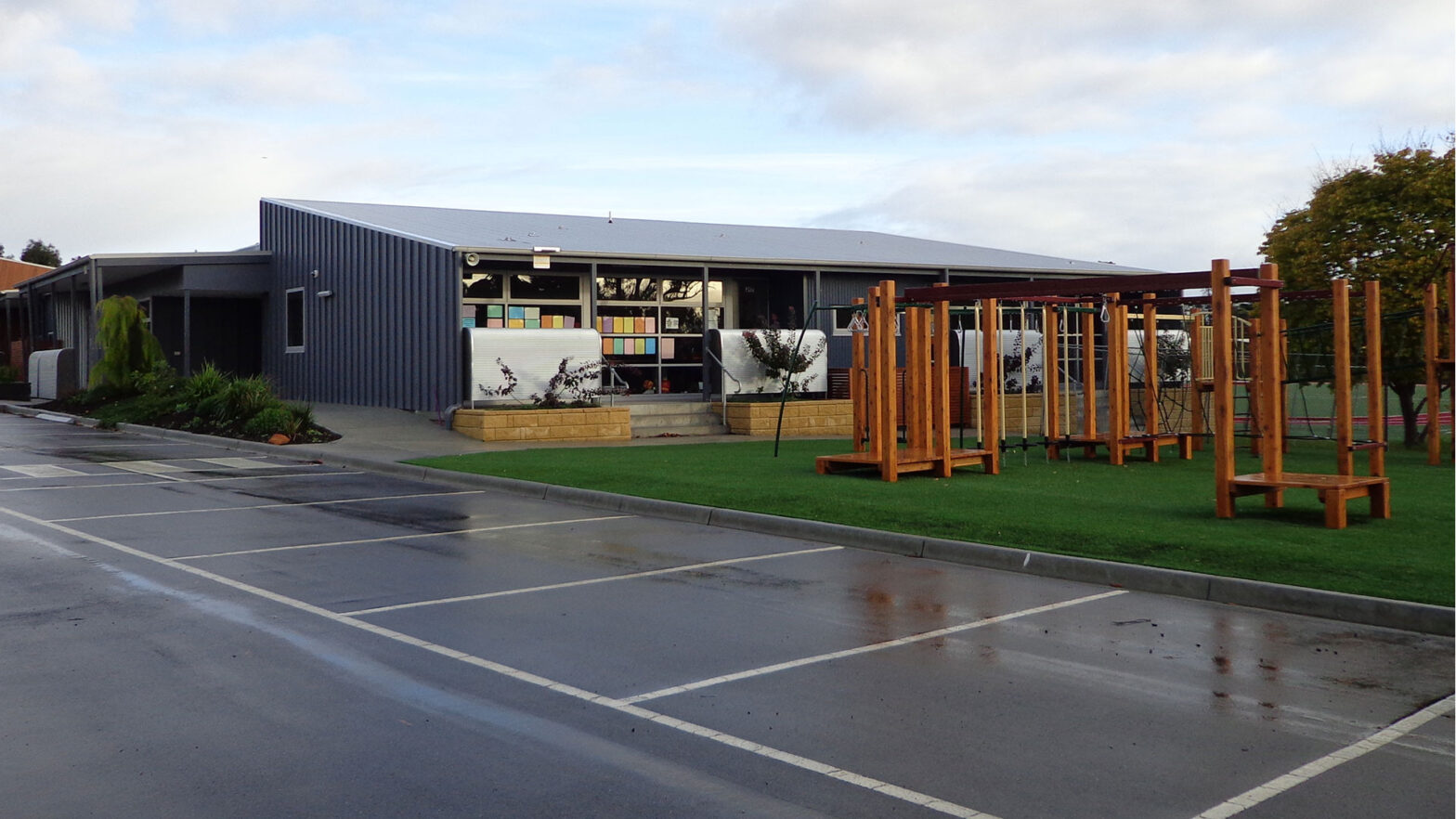
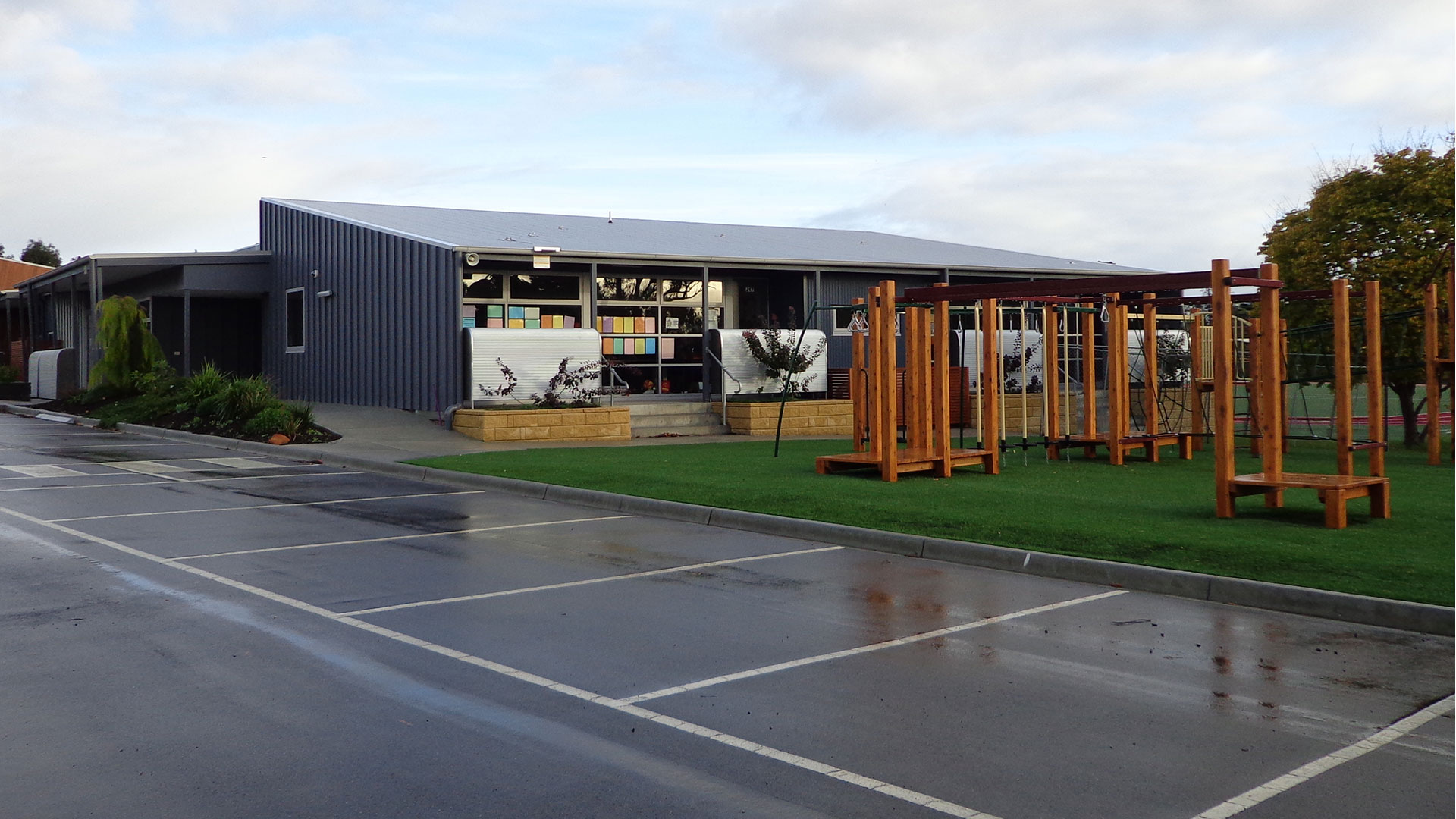
    An agora is a staple Australian school feature. It provides an assembly area as well as a place for the students to play ball games during recess and lunch. Adding a basketball court with hoops to the agora is an easy and practical action that will greatly enhance the students’ playtime experience. A grassy area should also be featured somewhere in the yard. If there is no room for an oval – then smaller areas with fake grass can still do the trick. This can provide a nice area for the students to sit when it’s sunny and also requires little to no maintenance.

    Do you need a hall?

    Our custom builders in Pakenham believe that a modern school needs a modern hall. That is, not your traditional hall, but one that can be host to multiple applications whilst still looking stylish. One idea to consider is to build the hall as its own separate, self-sufficient building. It could feature several specialty rooms such as a theatre or art room, some indoor sports courts – as well as a more formal room for assemblies and presentations. 

    The hall will feature its own set of bathrooms and plumbing system. The sporting courts could also double as the assembly hall if space is an issue. Even the theatre room could double as a stage for the main hall and be closed off by a barrier or curtain when it’s not being used as a stage. There are many different possibilities you can consider when looking at constructing a hall for your school campus.

    Are you looking for custom builders in Pakenham?

    If you require custom builders in Pakenham to build your school, then S & B Lamble Builders is the perfect business for you. Our boutique construction services are designed to specifically suit your needs. Our contractors have vast experience large projects such as building secondary college campuses and aged care facilities and will work with you to ensure that your needs are met.

    So, if you’re looking for custom builders in Pakenham to build your school, then please give us a call on (03) 5941 8135. Alternatively, you may also fill out the enquiry form on our website

  • Schoolyards: 6 Essential Elements To Consider

    Schoolyards: 6 Essential Elements To Consider

    As builders in Pakenham, we’ve worked on our fair share of schools over the last 35 years and can safely say that there are certain elements that make a schoolyard. Whether it’s a particular type of playground, or, a material that works well for playing ball games – our experts are here to list six essential elements that every schoolyard should have. Let’s dive right in!

    School yard

    1.     A playground

    High schools don’t really need playgrounds – however, primary schools and schools that offer prep – year 12 should have at least one playground and possibly a second depending on the size of the school and cohort. The playgrounds should have monkey bars, small vertical climbing activities, swing sets and of course slides. The area around the playground must consist of an impact absorbing surface that complies with the AS/NZS 4422:1996 standards code. 

    Examples of this include mulch/tanbark, rubber or synthetic grass surfaces. Under no circumstance is concrete or compacted Earth with grass acceptable as a base for play equipment. Our Pakenham-based builders can ensure the area around your play equipment adheres to the correct codes.

    2.     Synthetic grass

    Synthetic grass is a highly desirable material for high schools as it offers students a place to sit and enjoy the outdoors without having to worry about dirt or other particulars that come along with organic grass and soil. It also comes in handy when constructing areas that are intended as sit-down zones and will be a lot easier than introducing organic grass.

    Add some four – six-seater picnic benches around the area with sails hanging high above (perfect for letting the right amount of sun in and cutting out some rain where possible) and you’ve got yourself a functional outdoor sit-down zone. Well-installed synthetic grass also has perforation underneath it – allowing for excellent drainage when it gets wet.

    3.     Concrete agora

    An agora is a schoolyard staple and can provide the basis for many ball games as well as a gathering area for assemblies or important occasions. Marking the agora with simple, coloured lines for games like bat tennis or downball to be played is highly advised as it will encourage the students to make use of the space. Concrete is also a fairly durable material that is available in a variety of types such as exposed aggregate – which boasts extra grip and extensive customisability.

    4.     Asphalt surfaces

    Whilst concrete is a great material for outdoor surfaces – asphalt is also quite popular for outdoor sporting areas as it offers fantastic grip and things like tennis balls and basketballs also bounce quite well off of them. It’s also a fairly cost-effective material. Asphalt basketball courts are popular options if you’re looking to use less concrete or want to break it up a bit. This way, you gain the aesthetic value of contrasting materials and also acquire a more effective surface for a sport to be played on.

    5.     An oval

    Whether it’s a small or large one an oval is essential for all schoolyards as it really allows the students to play some of their favourite sports and relax in the sun. The benefit of larger ovals is that they allow for more students to do their own thing. They also don’t have to necessarily be in the shape of an oval perse but can be rectangular, for example. They’re also highly valuable and beneficial to have for inter-school sporting events as they could allow you to host.

    6.      A communal gardening patch

    This element is generally aimed more at primary school students but there’s no reason why high school students can’t get involved either. Having a dedicated communal gardening patch encourages the students to learn more about growing and caring for organic things in nature. As they get older, they can be encouraged to bring in their own seeds from home and work on the garden in an extra-curricular fashion.

    Are you looking for builders in Pakenham?

    S & B Lamble Builders are professional Pakenham-based builders with 35 years of experience in the commercial building sector. We’ve worked on countless school construction projects and understand the features that really make a successful and prosperous one. Our high calibre build quality and efficient work ethic are just two of the qualities that make our service one of the best in Melbourne.

    So, if you’re looking to build an outstanding school complex – get in touch with us by calling (03) 5941 8135 or filling out the contact form on our website.

  • Designing the Modern Classroom

    Designing the Modern Classroom

    As technology continues to progress to new heights — many professions must adapt to embrace and leverage new technology. That’s why today, our custom commercial builders are going to be looking at technology in schools, and more specifically, how to design a modern classroom with technology in mind. Let’s start with the different age groups and what their requirements may be.

    Modern classroom

    Different year levels and technology

    Over the last decade, it has become commonplace for students to be provided with iPads or Android tablets by the school for the purpose of both improving efficiency and encouraging technological learning. This is a practice we now see students in younger and younger grades participating in as technology becomes a more dominant driving force in our society.

    20 years ago, your average high-school classroom, for example, would have had a PC or two and two–three power points spread out around the room. Nowadays this is unlikely to be the case as every student will have a personal tablet or laptop. Some schools may even have Chromecast or Apple TVs in every classroom to provide students with an easy way to share their work with the class.

    Even interactive whiteboards — a technology that is used at all levels of education and even in other professional fields — are starting to appear in classrooms as a modern way for the teacher to interact with their students. Whilst writing is still encouraged and is a talent that should not be forgotten — personal tablets and laptops also eliminate the need for multiple folders and workbooks — ultimately leading to a cleaner and potentially smaller desk.

    Planning for the modern classroom — power points

    With the knowledge that personal tablets and laptops — as well as other hardware — are now commonplace in a school classroom across multiple year levels, it’s time to ask what can be done to optimise the classroom for these modern changes. The most obvious addition would be more power points. Given the electrical requirements needed, this is an element that should be factored in early during a renovation or building plan.

    Power points along the wall are useful, however, students will be using their devices all day in some cases and others will have forgotten to charge them overnight. For this, our custom commercial builders recommend two approaches. The first is best suited for rooms with fixed desk positions so the power points can be more-or-less installed at each student’s desk.

    The second option works for the aforementioned setup but is also more suited for a roaming desk layout. This involves installing the power points in hidden compartments beneath the ground. When they’re not being used the compartment can be closed — adding to the seamless aesthetic of the room as well as its functionality.

    These should be positioned in key points around the room with four–five power points in each compartment (this could be more depending on the size of the average class). Additionally, power points should be installed in the ceiling to account for any projectors or other hardware that requires power.

    Furnishings and using the space

    Technology in the modern classroom is about more than just extra power points for electronic devices. The traditional classroom that utilised strict desk culture is starting to fade. For example — reading and even writing on a tablet device is much easier to do on an angle rather than on a flat desk.

    Additionally, if fewer textbooks and folders are being carried around, smaller desks can be considered. This can leave space for other things in a classroom like reading corners or dedicated device charging stations.

    Something that has a little less to do with technology and more with modern design — is large windows and skylights (where possible). Natural light is often overlooked, and classic classrooms featured very rigid window designs. Natural light is much more beneficial than artificial light and can help brighten some students’ temperaments, boost their vitamin D storage and lead to better productivity.

    Are you looking for custom commercial builders for a school building?

    S & B Lamble Builders are professional and qualified custom commercial builders who have had over 35 years of experience building custom properties such as schools. If you’re looking for contractors to transform your truly unique, modern and functional vision into a reality, then look no further than S & B Lamble Builders.

    Give us a call today on (03) 5941 8135 for a chat or fill out our online contact form with the relevant information so we can get back to you as soon as possible.