Category: Commercial

  • Wineries: Building The Perfect One

    Wineries: Building The Perfect One

    As commercial builders
    in Melbourne
    , we get a lot of contracts for interesting and uncommon projects. Some of those projects include wineries. These are unique projects because they’re so multi-faceted and distinctive with their design that there is no single way that they can be done. Depending on the extent of the activities and services that the winery will be offering – some elements may need to be included or left out. In today’s blog, our commercial builders in Melbourne are going to take a look at what goes into creating the perfect winery.
    Building with the landscape

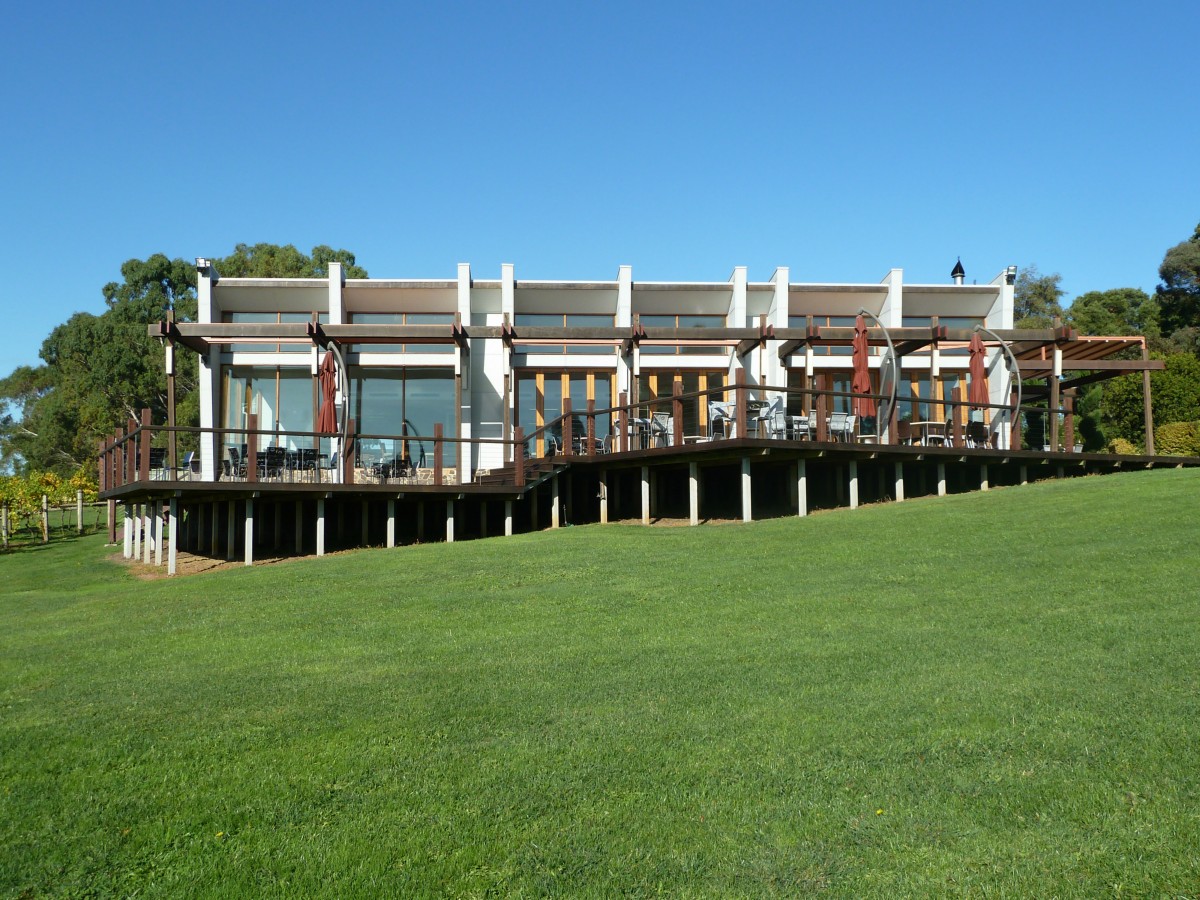
    Wineries are usually situated where the grapes themselves are actually grown – which mean long, green fields. It’s important to understand the terrain of where the physical structure is going to be built. Will it just be on flat land? Or does the client what it on a hill? Will extra support be needed if it’s not all on flat land? The natural landscape must be factored into the initial construction plan – that way you can take full advantage of the proposed construction space.

    Make sure your client knows their services

    Wineries can be anything from a place to simply make, taste and purchase the wine – to a full hotel service with a dining room and multiple bars. You must ensure your client knows what they want before going ahead with any plans. Whilst extensions are possible – it’s best to get it out of the way in the initial construction if your client thinks there’s a chance that they’ll offer a particular service in the near future.

    Decide on the style

    You’ll want to keep the overall aesthetic uniform across the whole winery – so if it’s a modern design that’s being looked at then that should be adopted the whole way through. The same goes for if your client wants to emulate a rustic Italian vibe. We find that a good blend of both is key to delivering a great experience to customers – as it makes them feel like they’re in a modern winery but one that has a heritage charm.

    Decking and outdoor furnishings

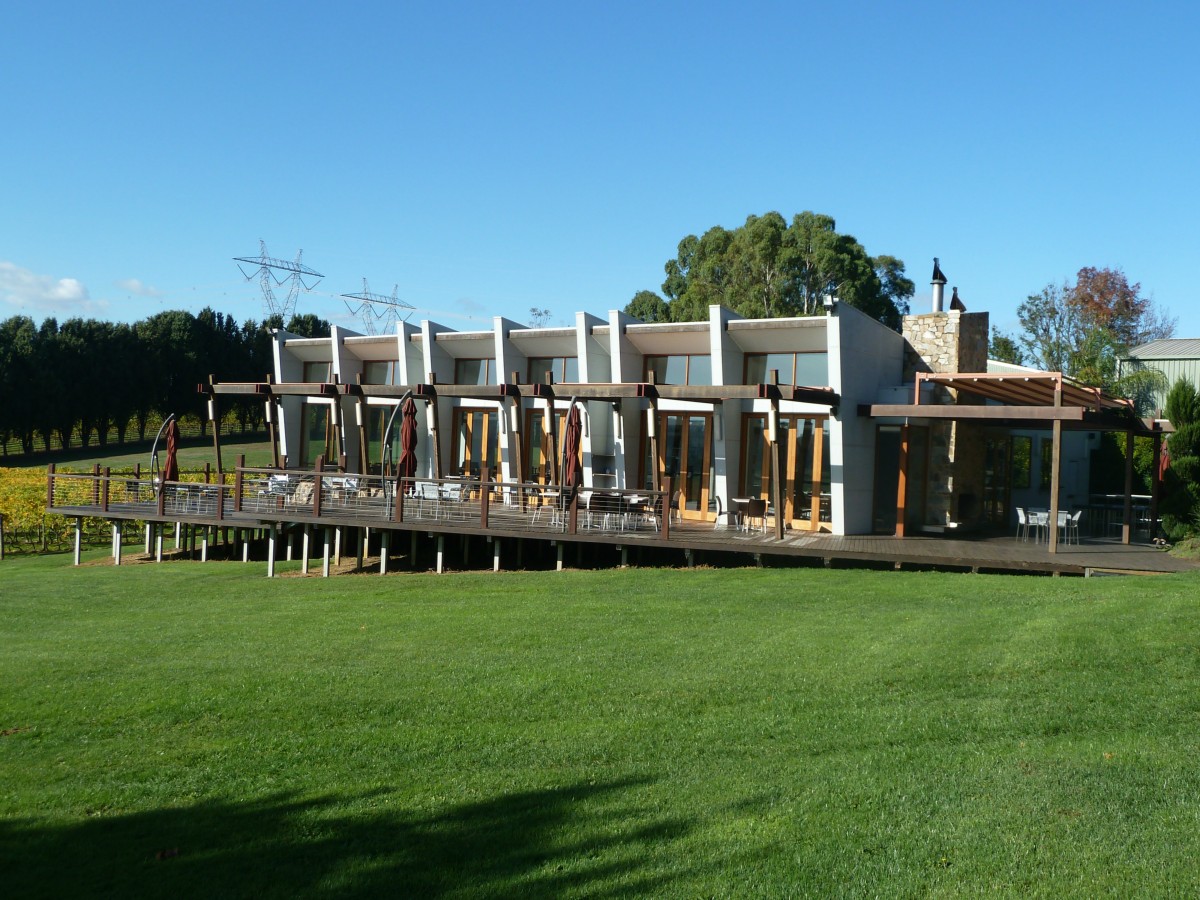
    Decking is an absolute must for most wineries. This obviously depends on the overall build and setting of the project – but in most cases, decking can be very useful. Not only does it offer a fantastic viewing platform where sunsets can be witnessed by friends and lovers alike – but also offers a spacious area for an outdoor drinking setting as well as dining if the winery has a restaurant/offers an à la carte menu.

    On top of this, there may be gazebos, pergolas or other similar structures constructed throughout the grounds, adding little spots where people can also gather to relax and enjoy the scenery. Our commercial builders in Melbourne think it’s even worth considering paving some of these outdoor spaces with concrete to create a more stable area for mingling and furnishings – or even smaller deck area that is detached from the main building.

    Windows and roofing

    Whilst solid and sturdy ceiling/walls are always a good idea in case of any rough weather – you may want to opt for more aesthetically pleasing options such as glass ceilings. Whilst this probably won’t account for the whole ceiling, having a large skylight is a brilliant way to introduce a natural atmosphere indoors. Whether it’s shining or raining the customers will be treated to a great ambience and some natural light to go with it.

    Similarly, you can have large floor to ceiling windows around a section of the winery – perhaps the bar or dining area. This will also offer customers a view of the gorgeous natural landscape if the weather indoors is more favourable. Double glazed windows should be looked at as they carry with them fantastic insulating properties to keep the space cooler during the hotter days and warmer during the colder days.

    Are you looking for commercial builders in Melbourne?

    When tackling a commercial construction project such as a winery – you’re going to want to hire a firm that has some experience in the
    area
    . That’s why S & B Lamble
    Builders
    is your best bet for bringing your winery dream to life. Our Melbourne-based commercial builders understand the nuances that come with constructing a winery and can help you realise your vision through organised
    planning
    and high-quality craftmanship.

    If you’d like to get in touch with our Melbourne-based commercial builders, then please give us a call on (03) 5941 8135. You may also contact us through the enquiry form found on our website.
  • 5 Tips For Sticking To Your Construction Schedule & Budget

    5 Tips For Sticking To Your Construction Schedule & Budget

    Whether it’s a commercial or residential, small or large-scale project – sticking to both your schedule and budget are absolutely essential. This ensures that everything runs as smoothly as possible and also works to minimise the chances of unforeseen issues arising.

    As builders in Pakenham, we know that it can sometimes be a bit difficult to stick to a plan, so we thought we’d give you some handy pointers to help you stay on track and within your budget.

    1.    Formulate a plan beforehand

    The smartest thing you can do, whether you’re an owner-builder or a contractor, is to plan ahead. Figure out exactly what needs to be done – right down to the smallest detail – and then lay out all the materials you’ll need to achieve this.

    Once you know what needs to be done and what materials will be used you can start to draft up a schedule that will be revised and refined over the coming weeks.

    The schedule should be fairly strict but still have a bit of leeway. It’s always better to estimate a little bit over to leave room for any unforeseen circumstances that may arise.

    If you have a solid plan and budget ready to go before you actually start building, then you’ll find it a lot easier overall to stick to them as opposed to going into a project with a less comprehensive plan.

    2.    Breakdown the plan into stages

    The easiest way to navigate your schedule and budget is to break it into stages. This is something that should be done right after you formulate your initial schedule and budget plan. The smaller the stages the easier it will be. For longer projects, you can also implement phases.

    For example, building the shower would be a single phase but there are multiple stages involved in completing the shower. Each stage will have a budget allocated to it which should be as accurate and cost-effective as possible.

    This also makes it easier to know how much money you’ll need for each job and when the money is to be released to the contractor/owner-builder. This works especially well if a construction loan has been taken out.

    3.    Avoid impulse changes

    If you’re an owner-builder, then be sure that everything goes into your plan and that you don’t add things in later during the construction phase. This can throw the entire plan and budget out of whack and end up being more costly and time-consuming.

    As Pakenham builders, it’s our job to ensure that we go through everything with the client to ensure they’re happy with the final result and don’t want anything extra added. If extra things are needed or wanted, then the schedule and budget will have to be amended.

    4.    Draft contingencies

    Unfortunately, things don’t always go according to plan. Sometimes things go wrong for reasons that are out of our control. If something does happen during construction that throws a wrench in your schedule and/or budget, then it definitely pays off to have a contingency plan.

    Even by reviewing your plan you may be able to predict where things are most likely to go wrong and adjust accordingly. It’s better to have them in place and ready to go in case of an emergency then risk derailing the project further.

    5.    Follow the project closely

    You don’t have to necessarily micromanage but be sure you stay on top of all the stages that are occurring simultaneously throughout the project. If something does go wrong, then the sooner you can identify and respond to it the better. This will keep things on track as much as possible and help to mitigate any unnecessary deviation.

    Are you looking for builders in Pakenham?

    S & B Lamble Builders are premium builders in Pakenham with 35 years of custom construction projects across both residential and commercial properties. Our knowledgeable experts are able to help you tackle any construction project as well as help you plan an effective budget and timeline for the project.

    If you’re looking for builders in Pakenham for construction services, then please get in touch with us by calling (03) 5941 8135. You may also get in contact with us by filling out the enquiry form found on our website.
  • What To Consider When Designing The Ideal Aged Care Facility

    What To Consider When Designing The Ideal Aged Care Facility

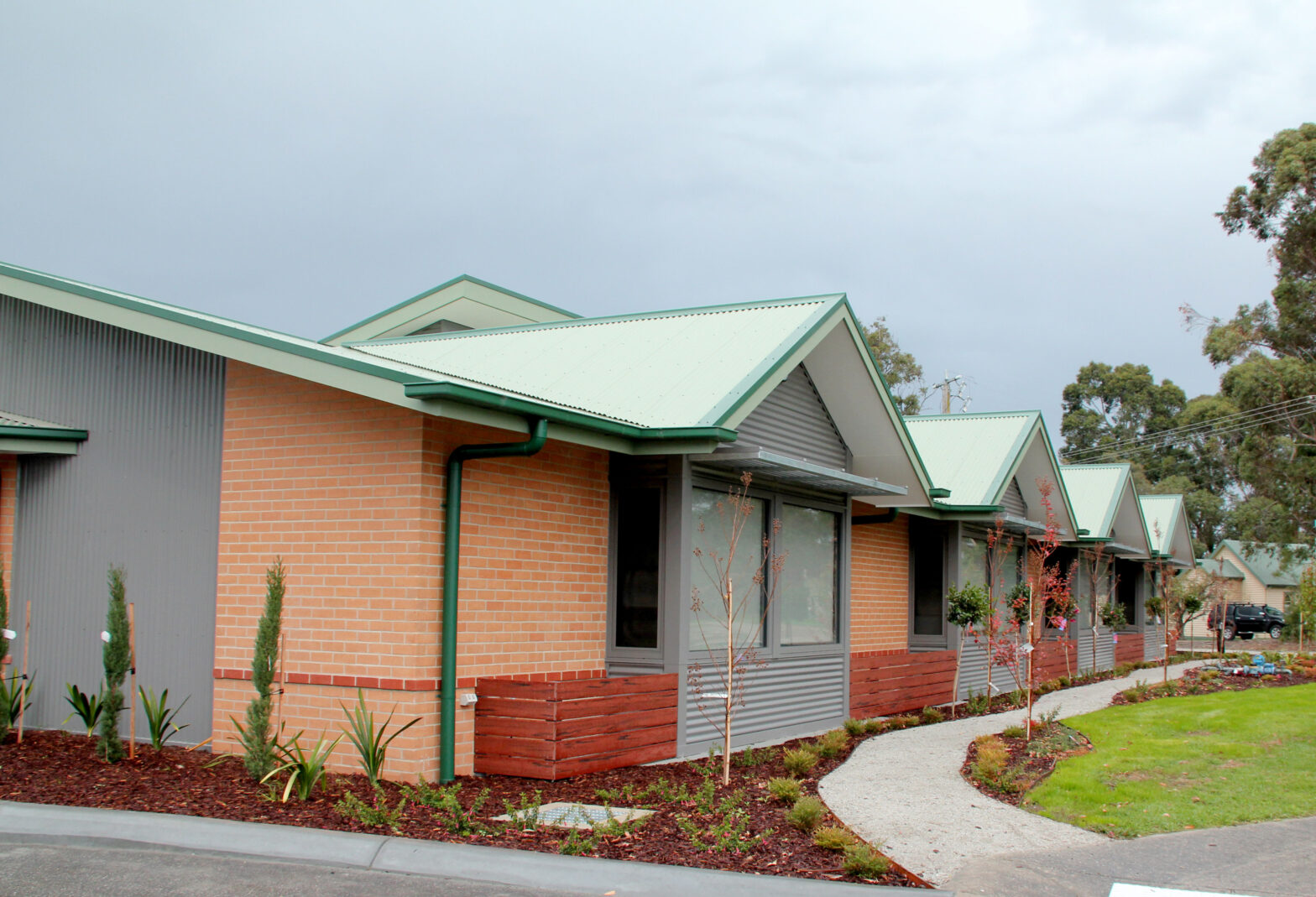
    Aged care facilities are an important part of society. It falls upon aged care facilities to provide a safe and nurturing environment to live in. Not only must aged care facilities be efficiently operated and staffed by loving and dedicated people – but designed effectively as well. Commercial builders must understand that aged care facilities shouldn’t look outdated and repetitive, but fresh and exciting to keep the residents engaged. Below, you will find some tips that S & B Lamble Builders believe make a great aged care facility.

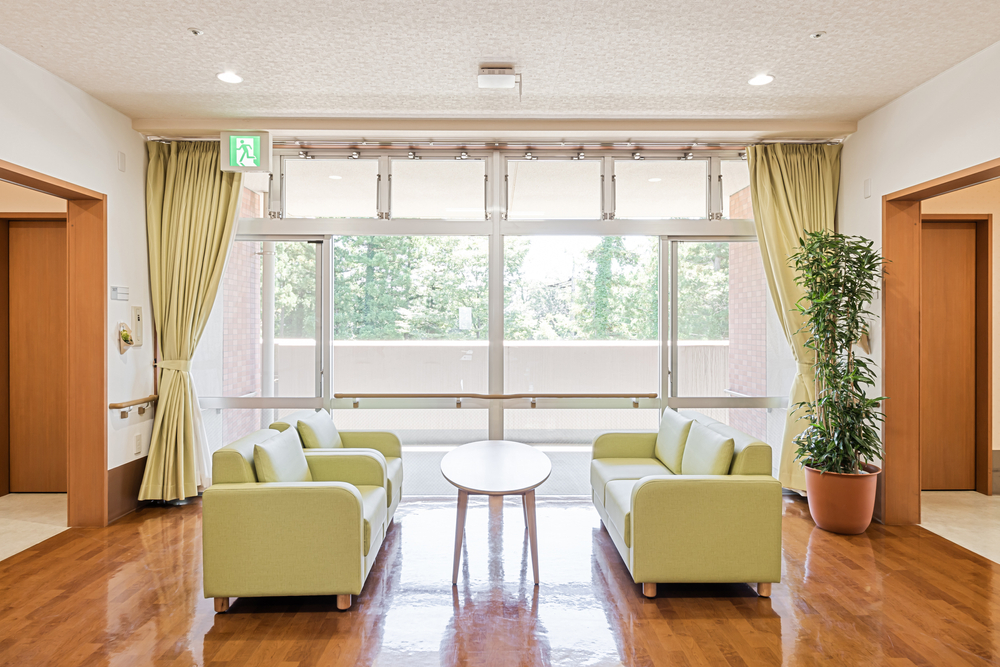
    aged care facility

    Quality dorms

    It’s easy to design a dorm room – but making it comfortable and boutique is something that S & B Lamble Builders excel at. It all starts with the plan of the room. It should be sufficiently sized for a bed as well as a sitting area. Many times, these furnishings are squashed into a room. We believe that there should be a healthy amount of space for both visitors and aged care residents to move around comfortably. The individual rooms should be insulated as well as partially soundproofed to guarantee maximum comfort.

    Engaging hallways

    What we mean when we say engaging hallways is that a lot of aged care facilities seem to have generic, dreary hallways and designs. There’s a lot of repetition, which can confuse the elderly – especially the ones who are suffering from dementia. By making each corridor and turn unique, you’re not only making it easier for everyone to get around, but also stimulating their minds. This could be with vibrant colours or some artwork – either painted directly onto the walls or hung up. 

    It is also important when in the initial design phase to not make the facility to confusing to navigate from the get-go. Select a simple shape and model the building accordingly. Whilst you want to avoid generic-looking corridors – implementing overly-complex twists and turns can be the other extreme. Instead, aim for the middle ground.

    An ensuite for each room

    Shared bathrooms are a hassle in aged care facilities and that’s why an ensuite for each resident’s room is not only a smart choice, but a beneficial one too. Giving each resident their own bathroom with a shower and basin ensures no waiting or unnecessary hassle. Each ensuite also needs to be fitted with the appropriate safety and disabled access additions to make the experience as seamless as possible.

    Sizeable outdoor area

    Taking day trips into town is a great way to get the residents out and about. But giving them an option to go outside anytime they want is even better. Provided the land is there, a sizeable courtyard or backyard is a fantastic way to get the residents out of their rooms when the weather is nice. It opens up a range of possibilities such as gardening activities and encourages exercise. Water features can be installed along with gazebos and other seated areas where the residents can relax on a nice, sunny day.

    Accessibility

    Accessibility is a huge part of aged care facilities and encompasses the entire commercial project. All features and amenities within the facility must be accessible by everyone – accounting for all types of disabilities and disorders. This also extends to the facilities exterior as well, however. Things like the entrance, car park and emergency exits all need to be designed and built with accessibility in mind.

    Homeliness

    An aged care facility should resemble a home as much as possible. If the residents are comfortable and feel like they’re in their own home, then that will contribute to their mood. The facilities environment contributes to their wellbeing and comfort just as much as the staff do.

    Looking for commercial builders?

    If you require commercial builders to take on an aged care facility project, then S & B Lamble Builders are the perfect candidates. With 35 years of experience within the construction sector, our commercial builders are well-trained and highly qualified. Our contractors are well-equipped to deal with both residential properties and commercial projects through Melbourne and regional Victoria and will be able to work with you to turn your dream into a reality. We also specialise in building aged care facilities and understand the key requirements that go into such a project.

    If you would like to know more about how our commercial builders can design the ideal aged care facility for you, then please get in touch by calling (03) 5941 8135. Alternatively, you can fill out the enquiry form on our website

  • Schoolyards: 6 Essential Elements To Consider

    Schoolyards: 6 Essential Elements To Consider

    As builders in Pakenham, we’ve worked on our fair share of schools over the last 35 years and can safely say that there are certain elements that make a schoolyard. Whether it’s a particular type of playground, or, a material that works well for playing ball games – our experts are here to list six essential elements that every schoolyard should have. Let’s dive right in!

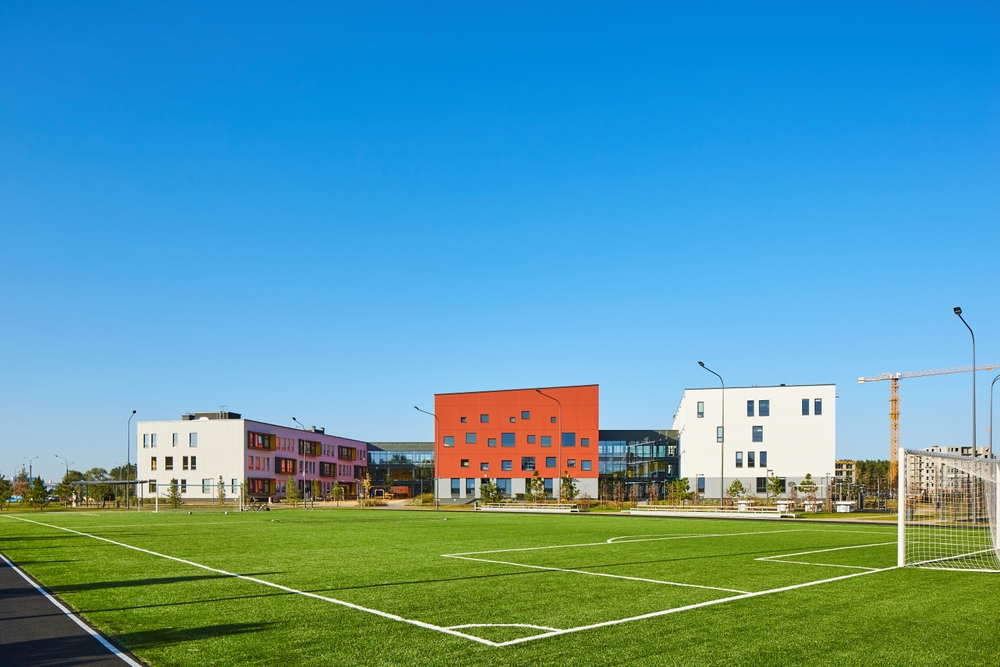
    School yard

    1.     A playground

    High schools don’t really need playgrounds – however, primary schools and schools that offer prep – year 12 should have at least one playground and possibly a second depending on the size of the school and cohort. The playgrounds should have monkey bars, small vertical climbing activities, swing sets and of course slides. The area around the playground must consist of an impact absorbing surface that complies with the AS/NZS 4422:1996 standards code. 

    Examples of this include mulch/tanbark, rubber or synthetic grass surfaces. Under no circumstance is concrete or compacted Earth with grass acceptable as a base for play equipment. Our Pakenham-based builders can ensure the area around your play equipment adheres to the correct codes.

    2.     Synthetic grass

    Synthetic grass is a highly desirable material for high schools as it offers students a place to sit and enjoy the outdoors without having to worry about dirt or other particulars that come along with organic grass and soil. It also comes in handy when constructing areas that are intended as sit-down zones and will be a lot easier than introducing organic grass.

    Add some four – six-seater picnic benches around the area with sails hanging high above (perfect for letting the right amount of sun in and cutting out some rain where possible) and you’ve got yourself a functional outdoor sit-down zone. Well-installed synthetic grass also has perforation underneath it – allowing for excellent drainage when it gets wet.

    3.     Concrete agora

    An agora is a schoolyard staple and can provide the basis for many ball games as well as a gathering area for assemblies or important occasions. Marking the agora with simple, coloured lines for games like bat tennis or downball to be played is highly advised as it will encourage the students to make use of the space. Concrete is also a fairly durable material that is available in a variety of types such as exposed aggregate – which boasts extra grip and extensive customisability.

    4.     Asphalt surfaces

    Whilst concrete is a great material for outdoor surfaces – asphalt is also quite popular for outdoor sporting areas as it offers fantastic grip and things like tennis balls and basketballs also bounce quite well off of them. It’s also a fairly cost-effective material. Asphalt basketball courts are popular options if you’re looking to use less concrete or want to break it up a bit. This way, you gain the aesthetic value of contrasting materials and also acquire a more effective surface for a sport to be played on.

    5.     An oval

    Whether it’s a small or large one an oval is essential for all schoolyards as it really allows the students to play some of their favourite sports and relax in the sun. The benefit of larger ovals is that they allow for more students to do their own thing. They also don’t have to necessarily be in the shape of an oval perse but can be rectangular, for example. They’re also highly valuable and beneficial to have for inter-school sporting events as they could allow you to host.

    6.      A communal gardening patch

    This element is generally aimed more at primary school students but there’s no reason why high school students can’t get involved either. Having a dedicated communal gardening patch encourages the students to learn more about growing and caring for organic things in nature. As they get older, they can be encouraged to bring in their own seeds from home and work on the garden in an extra-curricular fashion.

    Are you looking for builders in Pakenham?

    S & B Lamble Builders are professional Pakenham-based builders with 35 years of experience in the commercial building sector. We’ve worked on countless school construction projects and understand the features that really make a successful and prosperous one. Our high calibre build quality and efficient work ethic are just two of the qualities that make our service one of the best in Melbourne.

    So, if you’re looking to build an outstanding school complex – get in touch with us by calling (03) 5941 8135 or filling out the contact form on our website.

  • The Importance of Proper Insulation in a Custom Commercial Building

    The Importance of Proper Insulation in a Custom Commercial Building

    Whether it’s a retail, office, school or hospitality space — the comfort of staff and guests should always be considered in a commercial building. Our custom commercial builders always strive to ensure that the end-product is finished impeccably and with all elements in mind and that includes temperature and sound regulation. The most effective way to ensure your building stays cool during hot days and warm during cold days is with quality insulation. Keep reading to find out why insulation is such an important aspect of any custom commercial building.

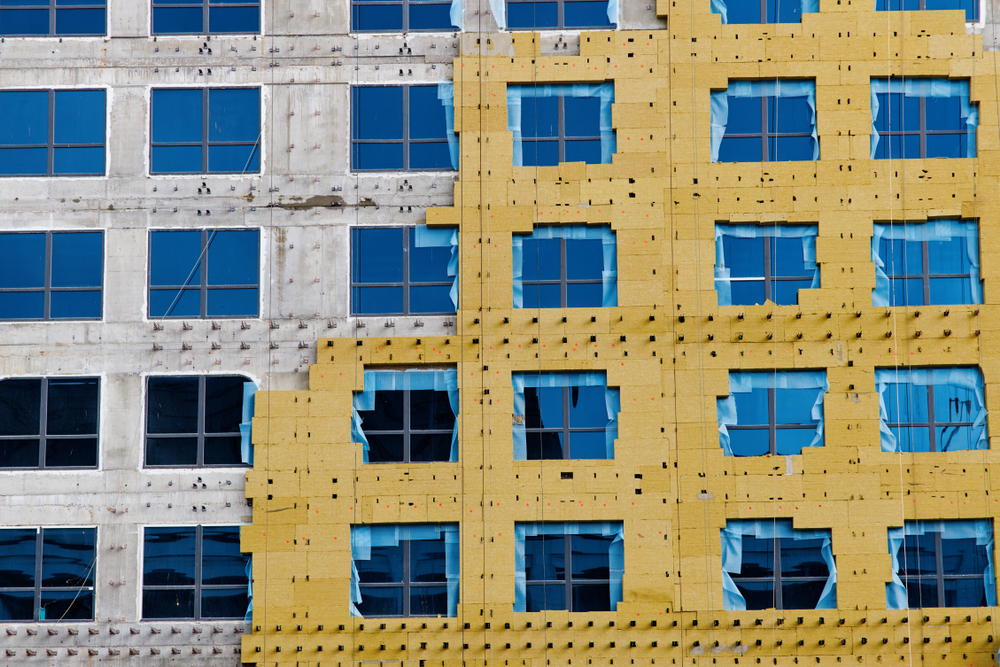
    Exterior wall insulation done in a commercial building

    The benefits of insulation

    Insulation is the ultimate thermal regulation method and will passively guarantee comfort in your building all year round. In a nutshell, insulation slows the transfer of heat. If it’s a 30° C day outside, then insulation will slow that heat from entering the building. Similarly, on a colder day, the heat will remain within the building for a lot longer. This can lead to a massive reduction in air conditioning costs as there will be less need to run it so often.

    Another often overlooked benefit of insulation is that it can suppress outside noise to a degree, depending on the type of insulation you use (acoustic and high-density varieties feature superior soundproofing properties). This comes in handy for commercial buildings located in high-traffic areas or areas with constant noise pollution and means your staff can enjoy a more tranquil environment with clients/customers also enjoying a pleasanter experience.

    Additionally, insulation carries with it environmental benefits both directly and indirectly. Less frequent use of air conditioning means there is less energy being expended — resulting in the mitigation of greenhouse emissions. Insulation products such as glasswool are made entirely from recycled materials such as glass and sand and still hold fantastic thermal and acoustic properties — making it a sustainable and practical solution for any commercial building.

    Insulation solutions made for the commercial sector

    There are several types of insulation products that are commonly used in commercial buildings. Our custom commercial builders can recommend different ones to you based on your structure type and other relevant aspects. Some of the common areas that need to be insulated include the roof, ceiling and wall. However, some extra commercial-specific solutions should also be considered.

    • HVAC ducts — There are boards and blanket insulation products that are used to insulate both the internal and external areas of HVAC ducts to ensure optimal performance throughout all seasons of the year. There are a variety of sizes, thicknesses and facings available to suit more specific requirements.

    • Underslab — Underslab insulation is specifically made for multi-level commercial buildings and is incredibly useful when it comes to regulating both heat and sound between floors.

    • Passive fire protection — The danger of a fire is always present regardless of what building you’re in and the best thing you can do to maximise safety during such an event is install passive fire protection products that are BCA(Building Code Australia) and BAL (Bushfire Attack Level) rated. These non-combustible products are designed to give occupants more time to escape in case of a fire by offering increased protection.

    Different materials for different requirements

    In addition to various types of insulation solutions, there are also several materials that all suit different types of buildings more effectively. Have you opted for a metal roof for your retail space?

    Special glasswool blankets such as Bradford’s Anticon, which is covered with foil on one side, are made specifically to be installed between metal roofs and ceilings — improving thermal efficiency whilst also preventing condensation from forming in winter. Our custom commercial builders can help you choose the right insulation solution for your new commercial property.

    Speaking of condensation…

    In addition to insulation, wall wrap is another solution that is crucial for any new commercial building. Whilst insulation concentrates on improving the thermal and acoustic efficiency of a building, wall wrap mitigates draughts and moisture from coming through.  This ultimately helps the insulation do its job. 

    If insulation becomes wet, then it won’t operate at full capacity until it’s properly dried — so by mitigating moisture, the wall wrap essentially protects the insulation. By reducing the risk of draughts there is also less chance of the regulated air escaping from the building. Additionally, wall wrap can help protect the frame and structure of a building from the elements whilst it’s still being built.

    Are you looking for custom commercial builders?

    S & B Lamble Builders have over 35 years of experience constructing quality, custom commercial buildings and can help you bring your next commercial structure to life.

    Give us a call on (03) 5941 8135 or fill out our online enquiry form if you would like to contact us. You may also directly submit a tender to us at [email protected].

  • Designing the Modern Classroom

    Designing the Modern Classroom

    As technology continues to progress to new heights — many professions must adapt to embrace and leverage new technology. That’s why today, our custom commercial builders are going to be looking at technology in schools, and more specifically, how to design a modern classroom with technology in mind. Let’s start with the different age groups and what their requirements may be.

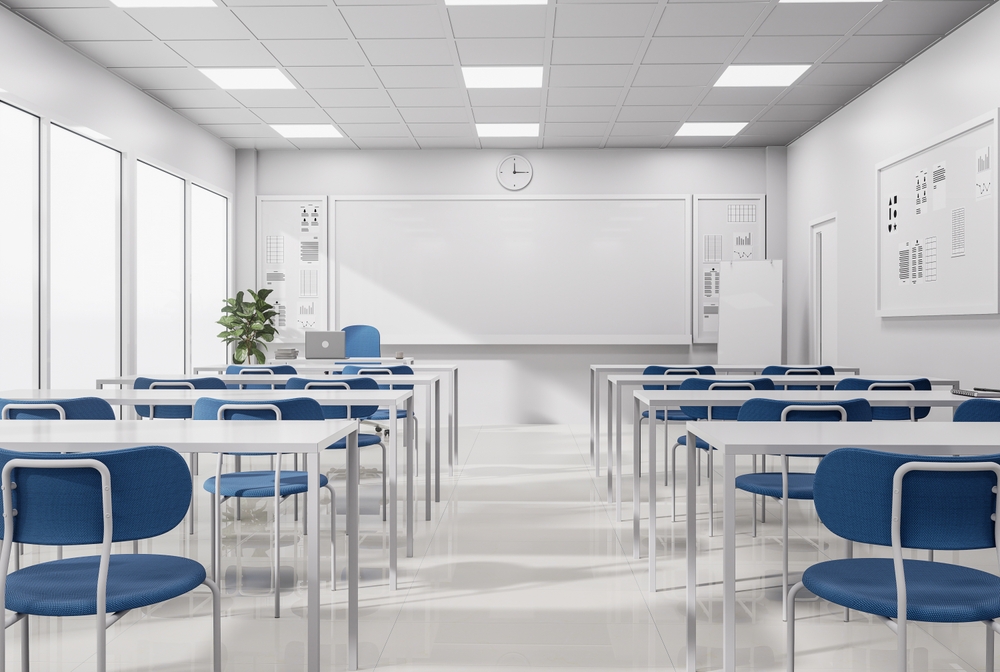
    Modern classroom

    Different year levels and technology

    Over the last decade, it has become commonplace for students to be provided with iPads or Android tablets by the school for the purpose of both improving efficiency and encouraging technological learning. This is a practice we now see students in younger and younger grades participating in as technology becomes a more dominant driving force in our society.

    20 years ago, your average high-school classroom, for example, would have had a PC or two and two–three power points spread out around the room. Nowadays this is unlikely to be the case as every student will have a personal tablet or laptop. Some schools may even have Chromecast or Apple TVs in every classroom to provide students with an easy way to share their work with the class.

    Even interactive whiteboards — a technology that is used at all levels of education and even in other professional fields — are starting to appear in classrooms as a modern way for the teacher to interact with their students. Whilst writing is still encouraged and is a talent that should not be forgotten — personal tablets and laptops also eliminate the need for multiple folders and workbooks — ultimately leading to a cleaner and potentially smaller desk.

    Planning for the modern classroom — power points

    With the knowledge that personal tablets and laptops — as well as other hardware — are now commonplace in a school classroom across multiple year levels, it’s time to ask what can be done to optimise the classroom for these modern changes. The most obvious addition would be more power points. Given the electrical requirements needed, this is an element that should be factored in early during a renovation or building plan.

    Power points along the wall are useful, however, students will be using their devices all day in some cases and others will have forgotten to charge them overnight. For this, our custom commercial builders recommend two approaches. The first is best suited for rooms with fixed desk positions so the power points can be more-or-less installed at each student’s desk.

    The second option works for the aforementioned setup but is also more suited for a roaming desk layout. This involves installing the power points in hidden compartments beneath the ground. When they’re not being used the compartment can be closed — adding to the seamless aesthetic of the room as well as its functionality.

    These should be positioned in key points around the room with four–five power points in each compartment (this could be more depending on the size of the average class). Additionally, power points should be installed in the ceiling to account for any projectors or other hardware that requires power.

    Furnishings and using the space

    Technology in the modern classroom is about more than just extra power points for electronic devices. The traditional classroom that utilised strict desk culture is starting to fade. For example — reading and even writing on a tablet device is much easier to do on an angle rather than on a flat desk.

    Additionally, if fewer textbooks and folders are being carried around, smaller desks can be considered. This can leave space for other things in a classroom like reading corners or dedicated device charging stations.

    Something that has a little less to do with technology and more with modern design — is large windows and skylights (where possible). Natural light is often overlooked, and classic classrooms featured very rigid window designs. Natural light is much more beneficial than artificial light and can help brighten some students’ temperaments, boost their vitamin D storage and lead to better productivity.

    Are you looking for custom commercial builders for a school building?

    S & B Lamble Builders are professional and qualified custom commercial builders who have had over 35 years of experience building custom properties such as schools. If you’re looking for contractors to transform your truly unique, modern and functional vision into a reality, then look no further than S & B Lamble Builders.

    Give us a call today on (03) 5941 8135 for a chat or fill out our online contact form with the relevant information so we can get back to you as soon as possible.

  • Choosing The Right Commercial Builders In Melbourne (In Just 5 Steps)

    Choosing The Right Commercial Builders In Melbourne (In Just 5 Steps)

    Commercial construction is vastly different from residential construction. Not only are the two often on different scales, but they also differ in areas of expectation, skills required, and complexity. Therefore, it’s important to source commercial builders in Melbourne that will be able to make your vision come to life. But with so many commercial construction companies in Melbourne already, how do you choose the right one? We’re sharing some steps on how to figure it out in today’s blog.

    Step 1: Know your project

    Without knowing exactly what you’re looking for, you’ll never be able to find that perfect fit. You need to be able to summarise and present the scope of your project, even including detailed information about measurements where needed. These specifications will allow your commercial builder to provide a more accurate quote, which will give you the opportunity to conduct more precise comparisons between builders.

    Knowing your project will also help you to verbalise your expectations, allowing for clearer communication once the construction process commences.

    Step 2: Learn more about their experience

    When it comes to construction, don’t underestimate the value of experience. A business with many years of industry experience is an immediate indicator that they’ll be a better fit for your project, as opposed to a newer construction company with less to show.

    There are a few key benefits to choosing an experienced builder over one that is new to the industry, including:

    • They have access to – and connections with –
      reputable suppliers and sub-contractors, who will help you achieve quality
      results within your budget
    • They will know how to approach your project in
      the most effective way possible, especially if they have previously completed
      projects just like yours
    • They’ll be much more efficient in organising
      anything externally and communicating with you along the way.

    Step 3: Choose a specialised team

    It’s important to select a builder that specialises in commercial projects – purely because they have a greater capacity to meet your needs and deliver the results you’re striving for.

    However, commercial builders have the added benefit of knowing how to work with your business during the construction process. They understand that any disruptions can result in a loss for your business, so they are often well-equipped to ensure downtimes are kept to an absolute minimum.

    Within commercial building, if you can find a team that specialises in your exact project, you’ll have greater confidence that your expectations will be exceeded by the results.

    Step 4: Check licenses and warranties

    If you choose to work with a commercial builder that does not hold the right licenses and warranties, you could be setting yourself up for failure. Licenses and warranties protect both parties in the event of damage or injury. Without them, you could be opening yourself up to high repair costs, or worse, the job could be completed in a manner that is not compliant with industry standards and regulations. Look for builder’s warranty, liability insurance and worker’s compensation documents.

    Any affiliations or memberships with reputable industry organisations (such as Master Builders Victoria) is also a great sign your commercial builder complies with industry standards.

    Step 5: Examine their portfolio

    What better way to choose a commercial builder than to visually inspect their past projects? While browsing their online gallery is certainly valuable, it never hurts to pay a visit to the site and examine the quality of work executed by the builder. After all, this will give you a good indication of what you can expect for your own project, especially if the building onsite is similar to the one you are envisioning.

    You can also ask the builder directly about their past work. Speak to them to get a good idea of what to expect in terms of timeline, budget, and any other potential challenges.

    Looking for experienced commercial builders in Melbourne?

    At S & B Lamble Builders, we design and execute highly specialised commercial projects in and around Melbourne’s south-eastern suburbs. We have over 35 years of experience in delivering stunning commercial solutions in Melbourne, and we are committed to helping local communities build infrastructure that is functional, long-lasting, and beautiful.

    Within the broader classification of commercial construction, we specialise in building government properties, aged care and education facilities, and industrial premises. Whether your envisioned project is small or large-scale, our team is fully licensed and qualified to handle your commercial construction needs.

    If you’d like to submit a tender or want to find out more about our team of commercial builders in Melbourne, then give us a call on (03) 5941 8135 today.