Category: Commercial

  • 3 Current Trends in Aged Care Building and Design

    3 Current Trends in Aged Care Building and Design

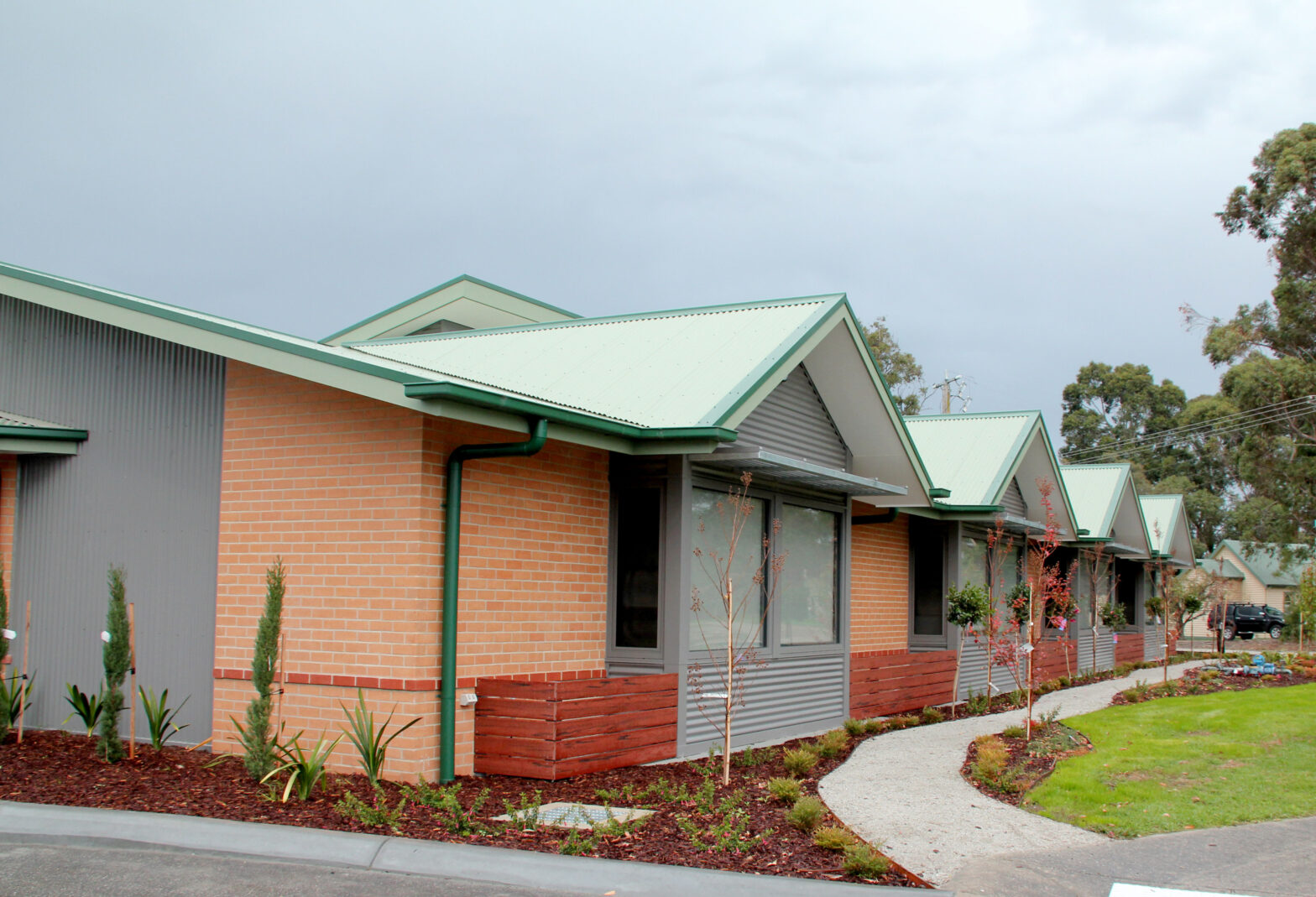
    Aged care facilities are incredibly important features in our society. They house some of the most at-risk and vulnerable members of our community, and are places where skilled workers care for their health and wellbeing. An aged care facility provides essential services for the ageing and aged, and that’s why it is so critical that they are designed and built effectively and efficiently. This means that these facilities must be designed with consideration to the physical and social needs of older people. A custom commercial builder is most well-prepared for and suited to designing and building a modern aged care facility. Keep reading to find out about the current trends in aged care building and design, and where to find professional builders for all your commercial needs.
    Creating a Home-Like Space

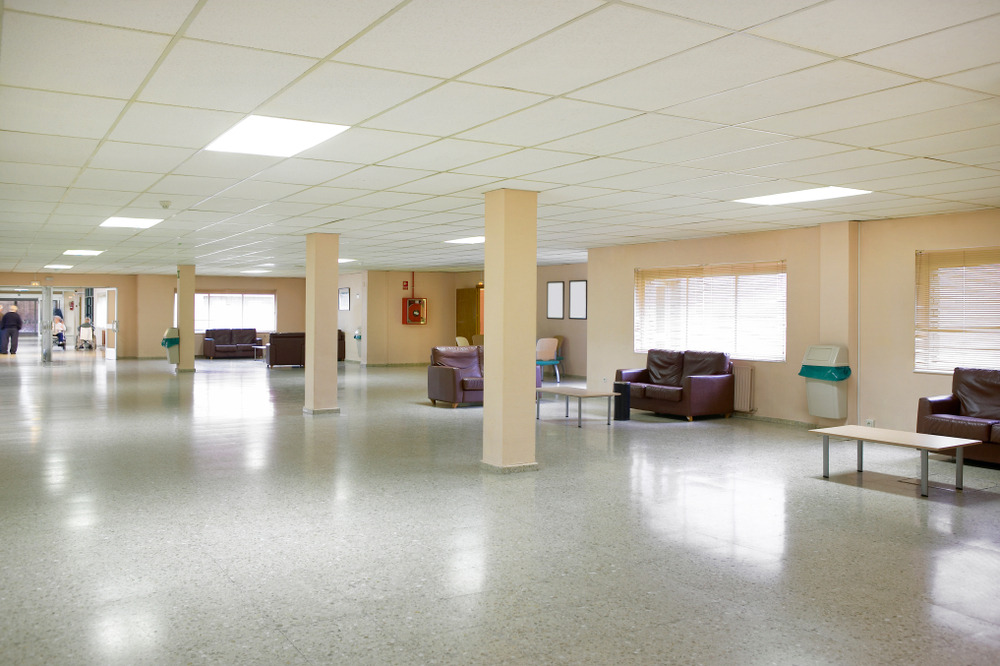
    Gone are the days where clinical design features that closely resemble hospitals are acceptable for aged care facilities. In fact, trends in building and design are showing that the opposite is now the aim – personalisation and homeliness are now important considerations for these facilities. Aiming to create spaces within aged care facilities that feel residential as opposed to clinical can benefit residents in a number of ways.

    An important factor is fostering a sense of home within aged care settings, which is important for independence, and emotional and mental wellbeing. Additionally, for those making the transition from home to aged care, it is important that the difference between the two spaces not be too jarring. Moving from a much-loved home to a care setting is a huge change, which often comes with many conflicting and difficult emotions. A well-designed aged care setting can help to make this transition smoother, by providing an environment that still feels personal and homely. Aged care settings no longer need to feel like cold, clinical institutions when homeliness and personalisation are considered during both the design and building process.

    Fostering Connection and Community

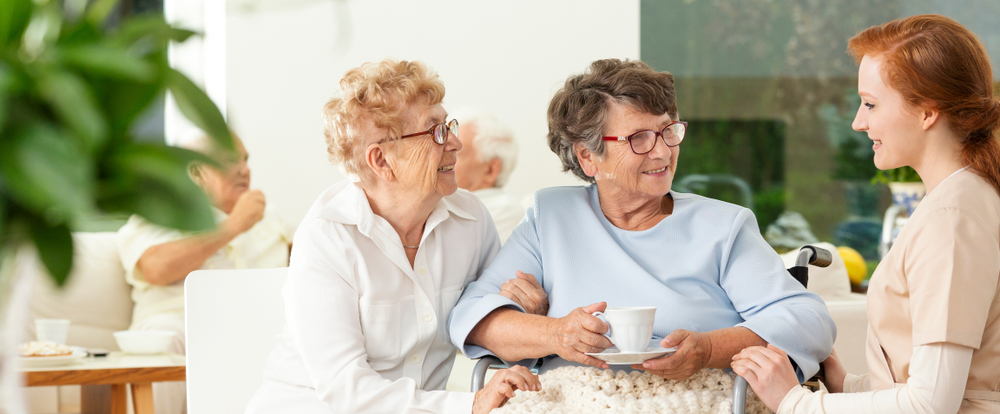
    Another important consideration is in designing and building spaces that foster connection, and additionally, a sense of community. Ageing and aged people need connection to others – to other residents, to their friends and family, and to a wider community. Such connection can have important social, emotional, and mental benefits, which are critical to the overall health of those living in aged care settings.

    So how can building and design actually help to foster community and connection? A modern aged care facility should include spaces that encourage socialisation and inclusion through its design. This could be inviting interior and exterior spaces that can accommodate groups of residents – large and small. These spaces in turn, through their inviting nature, can help to foster relationships and social activities like games, crafts, and simple friendly conversation. Interior common spaces should have ample natural light, and have carefully considered lighting and colour palettes. Exterior common spaces should include options for shade and cover from direct sunlight or other elements, as well as provide comfortable outdoor seating options.

    It is also important that aged care settings provide many opportunities and spaces for residents to socialise and connect with their friends and family. The interior and exterior spaces mentioned above are important for this, as they can provide room for extended family to visit their loved ones. This again fosters a sense of connection within residents of aged care facilities, which is critical for overall wellbeing.

    Spaces that Support Staff

    The healthcare and support workers that staff aged care facilities play a critical role in the lives of aged care residents. They provide essential care for the ageing and aged day in and day out, and they are the backbone of these important facilities. That’s why aged care settings should also be designed and built with staff in mind. It is important that staff have a dedicated space in which they can take their breaks, or prepare for their shifts. The health and wellbeing of staff members is also a very important consideration, and effective and efficient building and design can play a role in this. Just as residents shouldn’t have to live in clinical, institution like spaces, staff members in turn want a comfortable place in which to have their breaks, decompress, and recharge, ready to carry on with their important work.

    Do You Need Custom Commercial Builders?

    When you need custom commercial builders for a commercial aged care, educational, retail or industrial project, look no further than S&B Lamble Builders. Backed by 35 years of industry expertise, we are proud to offer you outstanding custom solutions, and professional customer service. Our commercial builders are fully licensed and qualified to deliver stunning results for all your commercial construction needs. Whatever your vision, we will work collaboratively with you to ensure that it becomes a reality.

    For all your custom building needs, contact us at 03 5941 8135, or fill out our online contact form and we will be happy to get back to you.
  • 3 Building and Design Features of Schools in 2023

    3 Building and Design Features of Schools in 2023

    Schools and other educational spaces such as early learning centres and universities are incredibly important facilities that require particular building and design features. Building a home, for instance, is not the same as building a school or classroom space, and that’s why commercial builders are essential to this process. Keep reading to find out three of the most important building and design features of modern classrooms for 2023 and beyond. Then, discover where to go for professional custom building solutions for all your commercial needs.  

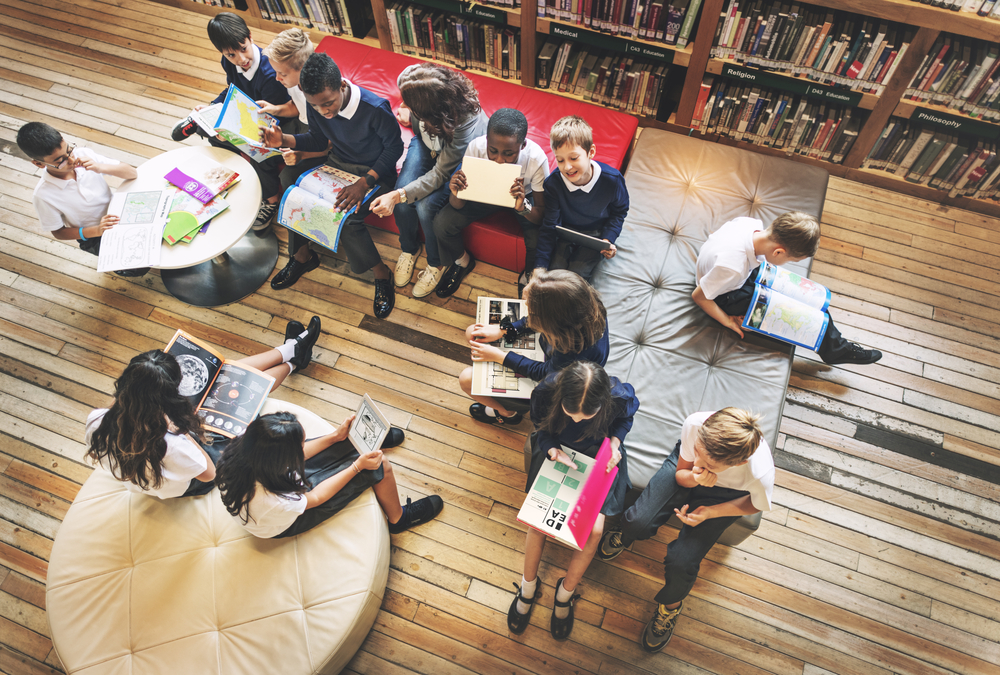
    school reading library

    Open Plan Learning

    Open-plan learning has been a fixture in many schools for years now, and as trends progress, it remains one of the features that is important in the design of modern schools. These classrooms are not the typical square box of a room that you might think of from your own education, but rather, are characterised by a large open space which is divided into the desired number of individual classrooms. This is done, however, in such a way that each classroom is still a part of the wider open learning space, either through the use of partitions, or sliding walls and doors.

    This style of classroom promotes collaboration between students and teachers, making it easy to implement educational strategies such as team-teaching. This style of design is also extremely flexible, which is another important consideration for the building and design of the modern classroom. Teachers in open-plan classrooms can effortlessly work as part of their team of colleagues, and students in these classrooms can more easily connect with their wider year level group. The benefits are many, which is why open-plan classrooms and learning spaces will remain a fixture in school design in 2023 and beyond.

    Spaces Designed for More Than Learning

    As educational research progresses, particularly in the area of student wellbeing and social and emotional learning in schools, it is increasingly important that the focus in building and design of schools turns to these things as well. According to Dr. Adam Wood, an expert social scientist, ‘designing schools for living as well as learning’ should be a priority for all those involved in design, from educators to builders. This is due to the fact that while a great deal of learning does occur at school; indeed the learning is a major focus, there are also a great many other things that happen in educational settings besides what we think of as learning.

    Young people socialise and come to understand how to interact with others at school. They cultivate social-emotional skills with the help of their teachers and educational support staff. They play, laugh, develop, and grow at school, just as much as they learn, so it is becoming critical in the 21st century to design and build schools that reflect this.

    Classrooms need to incorporate space for the ‘living’ that Dr. Wood speaks about, but not only classrooms. Outdoor spaces and playgrounds can be designed with this focus too, as can school halls and other collaborative, communal spaces. 

    Flexible Learning Spaces

    Flexibility is a huge consideration in educational settings nowadays. In years past, classrooms served one function. The playground served another function. The library space is yet another. However, these days teachers and students require more than just one thing from a designated area, space, or room. Flexibility in schools means that teachers can utilise their classrooms and spaces within their classrooms in more than one way.

    For instance, open floor space becomes a group work area for literacy groups. A hallway space with seating becomes a breakout space for brainstorming during inquiry learning. A reading corner becomes a play space in a Foundation classroom. The options are endless if educational settings are planned, designed, and built with care and consideration for flexibility.

    The flexibility theory can apply to any space within a school, not just classrooms. Outdoor spaces, for example, present so many opportunities to become flexible learning spaces, with the right design. Think, plenty of shade from the sun, grass, and outdoor seating such as benches, and you have the perfect area for an outdoor lesson.

    The key is to maximise the multi-functionality of every space possible within a school. This can promote more collaboration between classes and year levels, as well as innovation in teaching, as flexibility in building design allows educators to utilise the latest educational techniques. 

    Do You Need Professional Commercial Builders?

    Look no further than S&B Lamble Builders. We are proud to offer you 35 years of industry experience, alongside outstanding commercial building solutions and exceptional customer service. Our commercial building contractors are fully licensed and qualified to deliver stunning results for a variety of facilities including aged care facilities, schools and other educational structures, and industrial premises. Whatever your commercial building project, we will endeavour to make your vision a reality.

    When you need custom commercial builders, contact us at 03 5941 8135, or fill out our online contact form and we will be happy to help with your enquiry.

  • 5 More Features of Luxury Outdoor Spaces

    5 More Features of Luxury Outdoor Spaces

    When it comes to outdoor spaces for luxury custom homes, the sky is the limit – literally! Whether it’s a garden, patio, back, or front yard that you are planning and designing, this list of luxury features is sure to give you some ideas for your home. Keep reading to find some inspiration for your luxury outdoor space, and then find out where to go for a custom home builder.

    Privacy

    A big component of a luxury custom outdoor space is privacy. The aim is for your garden space to be a total oasis from the rest of the world so that you can enjoy the outdoors with your family and friends without interruption or distraction. How you achieve this privacy is up to you, and often the regulations of your state when it comes to fencing. However, fencing is an ideal option for creating privacy in your outdoor space, and you may already have an existing suitable fence. If you feel that privacy is still lacking, then landscaping is a great option to add additional privacy to your yard. Trees are perfect because of their height, and hedging is another option that can create that additional barrier you may be looking for. While plants and trees do require maintenance and upkeep, they also provide added benefits. These include natural sound-blocking qualities, and the beauty, greenery, and visual interest that they bring.

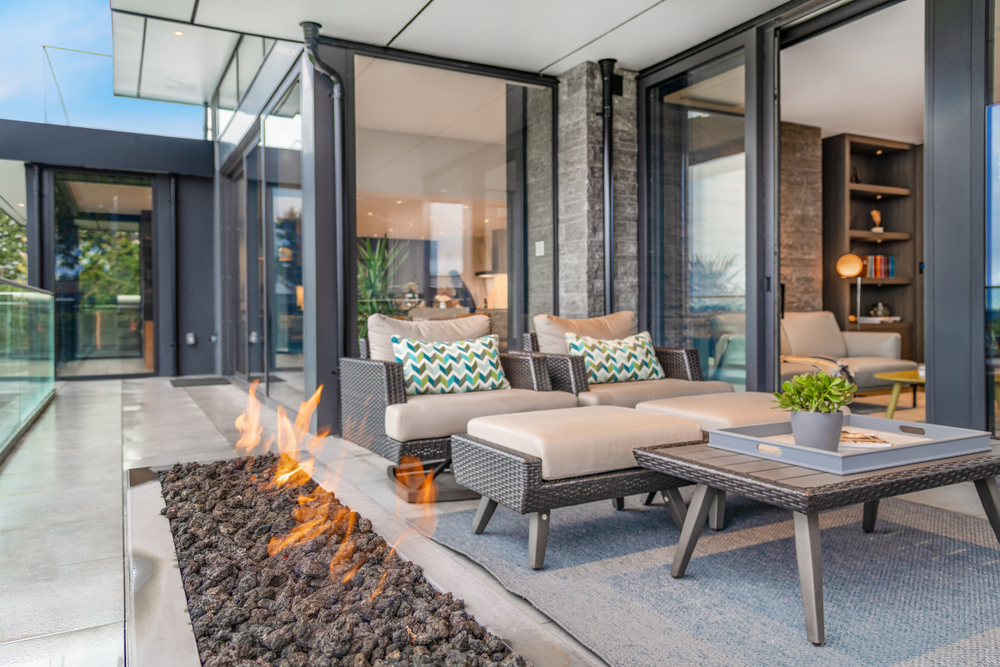
    luxury home

    Relaxation Area

    There are many things that can separate a custom outdoor space from an ordinary garden, yet perhaps none more so than the inclusion of an outdoor relaxation area. This is a space dedicated just to relaxing; it is a retreat within your garden that enables you and your family to relax and recharge while enjoying the peace and serenity of the great outdoors. This relaxation area can take many forms. Options include a comfy outdoor furniture set where you and your family can chat and catch up over dinner, or a lux patio-covered daybed perfect for reading, relaxing, and even the occasional afternoon snooze! The options are endless for your relaxation area, so be guided by how you like to relax, along with what your ideal garden haven looks like, and plan from there.

    Consider Outdoor Lighting

    This is one element that can be an afterthought in everyday gardens, yet this is another feature that makes luxury outdoor spaces really stand out. When it comes to our houses, lighting is a huge consideration, and the custom garden should certainly be no exception to this rule. When it comes to outdoor lighting, it is important to think about the type of atmosphere you are looking to create. Think about balmy summer evenings spent under twinkling string lights, or autumn and winter nights passed by the flickering, dappled light of an outdoor fire pit. Don’t forget those times when you need a well-lit space, and also make sure to factor in some brighter lighting options for when it is essential.

    A Stunning Focal Point

    This feature is all about drawing the eye. This is the element of your outdoor space designed to impress not only your guests but you, every time you step into your custom garden. Perhaps it is a spectacular water feature that is visually appealing while adding to the calming atmosphere with the sound of trickling water. Perhaps it is a piece of art displayed under the pergola, or maybe even outdoor-friendly art that immediately captures the attention of all who enter. Your focal point could be a pond, a lavish outdoor furniture set, or even your relaxation daybed, it just has to be something that draws the eye and grounds the outdoor space. This is where your imagination and your tastes can shine and flourish, so put on your designing cap and get to imagining!

    Bring the Outdoors In

    Consider designing an outdoor space that connects to an indoor space, for an open-plan, luxurious feel to your home and garden. This will also help to give the impression that your outdoor space is an extension of your home, opening up and enlarging both areas. Options for this type of connectivity include a living area that opens out to a lavish covered patio space or even a master bedroom attached to a private outdoor oasis. When your garden is as accessible as merely opening your French doors, it is sure to be all the more inviting. Greater accessibility means more relaxing moments spent outside, from sipping your morning coffee under the pergola to relaxing under the stars after dinner in the evenings.

    Do You Need Custom Home Builders?

    When it comes to building and designing a luxury custom home and outdoor space, it is essential that you get in touch with the right custom home builders. That’s where S&B Lamble Builders step in. We are proud to offer you 35 years of industry expertise, alongside outstanding custom solutions, and excellent customer service.

    So, when it’s time to choose an exceptional custom builder, contact us at 03 5941 8135, or fill out our online contact form, and we will get back to you.

  • 4 Building and Design Trends For The New Year

    4 Building and Design Trends For The New Year

    It’s the start of a new year, and with it comes the promise of new opportunities to dream, plan and achieve our goals. If one of your goals for 2023 is building a new luxury custom home, or perhaps renovating your existing home, then keep reading to find out all about the building and design trends that are set to take 2023 by storm. From sustainability to comfort spaces, with the right custom luxury home builder, the home of your dreams can become your reality.

    Comfy space in a luxury custom home

    Sustainability

    Sustainability will be a crucial consideration in many builds this year. With concerns about the environmental impact of human beings’ activities rising, sustainable building, design, and living practices will certainly be at the forefront of many people’s minds.

    Considerations of sustainability can start with thinking about the materials that are used in the building and construction process. This can include using materials that are recycled or made from renewable resources.

    Another consideration is ensuring that the finished home is energy efficient, and again, the materials used for the build can contribute to this, too. Other factors include energy-efficient appliances, lighting and hot water systems, effective insulation, and of course, solar power.

    Nature in the Home

    Nature within the home has been a big trend in building and design for some time now, but this doesn’t just mean having an abundance of potted plants around the home. Rather, what we are talking about is something called biophilic design, which according to Wikipedia, is a building concept that is designed to “increase occupant connectivity to the natural environment”. It’s a style of design that attempts to emphasise a building or a home’s natural qualities in a variety of ways.

    A feature of biophilic design is the use of direct nature, which includes considerations of light, air, water, plants, animals and weather, fire, and natural landscapes. An example of one of these considerations in practice is the use of water in building and design, which can be done through incorporating aquariums, or water features. Having one of these can provide homeowners with a calming multisensory experience.

    Further, indirect experiences of nature are used in this design style through images or representations of nature. Images of nature include artwork like paintings or sculptures, and representations of nature include such aspects as naturalistic shapes, use of natural colours, use of natural materials, and natural geometries. For instance, the use of natural colours can mean using a lot of earth tones, or even pale tones of blue and green.

    Comfort Spaces

    Another aspect of custom homes in 2023, will be the comfort space. These spaces are specifically designed for rest, relaxation, and recharging. Comfort spaces will be extremely individualised, and very particular to the people that live in the home. This is good news – it means that the options and opportunities for your comfort space are as boundless as your imagination!

    So, your dream comfort space could be a gorgeously designed living area, filled to the brim with plush textiles and all your favourite books. It could be a lavishly designed bathroom space, complete with a deep tub for you to soak away the worries of the day. It could even be a lux theatre room, fitted out with recliners and totally filled with the best movies and TV shows. 

    The comfort space is just that – a space designed just for your comfort. These corners, nooks, or rooms can serve just one function or could be multi-purpose, depending on how you like to relax. Whichever way you want to plan, build, or design your comfort space, remember to keep rest and relaxation at the centre of this area. If you are looking to build a custom home, why not think about incorporating a comfortable space into your new home?

    Statement Walls and Bold Colours

    This is one trend that is still going strong from Spring 2022, but the statement, feature, or accent wall, along with some bolder colours, are here to stay this year! Statement walls attract the eye and add a sense of dynamism to a room. From wood panelling to bright and bold colours that really make a statement, the accent wall is something that can create a big impact in a bedroom, living area, or bathroom.

    Ready to Build Your Luxury Custom Home?

    Look no further than S&B Lamble Builders for all your luxury custom home needs. If you have been inspired by the building and design tips in this article, and if you are dreaming of and planning for a custom home or extension, then we are here to help to make that dream a reality.

    S&B Lamble Builders are proud to offer you exceptional customer service, alongside stunning custom solutions to all your high-end commercial and residential building needs. We are backed by 35 years of industry experience, and we thrive on providing amazing custom design and construction services.

    When you need exceptional custom builders, contact us at 03 5941 8135, or fill out our online contact form and we will get back to you.

  • 4 New Trends in Modern Classroom Design

    4 New Trends in Modern Classroom Design

    When it comes to designing and building educational spaces like schools and classrooms, it is critical that a lot of thought and reflection goes into the planning. Educational facilities are such important features in society, and while there are some foundational concepts when it comes to their design, these are spaces that must also keep up with current trends and research. As society evolves and modernises, so too must schools and classrooms, as the needs of students today differ from the needs of students of years past. This month, we focus on the current trends in classroom design which can inform and guide the building and construction of new schools and learning spaces. Keep reading to discover these trends, as well as the importance of partnering with a custom commercial builder, who can expertly carry out such projects.

    children learning in classroom

    Prioritising Natural Features for Comfort

    When it comes to natural features in a classroom or educational space, this means prioritising factors like light, temperature, and air flow and quality. For instance, natural light is incredibly important in classrooms for a number of reasons. These include the positive effect of natural light on mood, as well as less incidences of eye strain when compared to working in artificial lighting, like under harsh fluorescents. Further, when designing these spaces, adequate temperature control must be taken into account. Artificial heating and cooling should be considered, as well as the placement of doors and windows, which can both help to regulate temperature in the room, and provide air flow too. These features all work together to create a comfortable learning space, and the psychological theory of Maslow’s Hierarchy of Needs indicates clearly that physical comfort is foundational to efficient learning.

    Centring Student and Staff Wellbeing

    Prioritising the wellbeing of the students and staff that spend time in these educational spaces has been a trend in education for many years. However, in the past few years, and certainly post-pandemic, wellbeing is increasingly a consideration in the design of new classrooms and schools. A holistic view of wellbeing is essential when it comes to these spaces, which means taking into account not only physical wellbeing as outlined above, but also mental, social, and cognitive wellbeing also. In practice, this prioritisation of wellbeing can look different depending on the needs of the particular school, but can include things like: lots of greenery, such as a green wall, comfortable breakout areas which allow for collaboration in learning and also ‘brain breaks’, calming colour palettes, the use of natural materials like timber or stone, and even spaces dedicated to relaxation which can be used in free periods, or recess times.

    Learning and the Great Outdoors

    Increasingly in schools, learning and the outdoors are being brought closer and closer together. The benefits of natural lighting in classrooms that we have discussed pertain to outdoor learning as well, plus the benefits of fresh air speak for themselves. While outdoor learning is largely dependent upon the weather and as such is not suitable 100 percent of the time, classrooms that allow easy access to the outdoors or that bring the outdoors in, are increasingly popular. This could involve sliding doors or French doors which can be opened to increase the floor-plan of the classroom and give students the freedom to choose to work outside or inside. Alternatively, schools may choose to design and build covered areas on their grounds which can accommodate more outdoor lessons.

    Flexible and Modular Spaces for Inclusive Learning

    Flexibility is a consideration that continues to be at the forefront of classroom and school design. What is clear about both teaching staff and their students, is that modern classrooms need to be able to serve multiple purposes not only from day to day, but sometimes from hour to hour. For instance, he first teaching block of the day may involve whole class instruction which requires the space for an entire class (or two, or three) to sit together and learn. Following this, breakout spaces for several small groups may be required. After recess, students may need to work in pairs to complete an activity, before reading independently before lunch. Just from this example, the need for classrooms to offer as much flexibility as possible is evident. This can mean anything from flexible furniture, consideration of the size of the actual room, sliding or concertina doors, open-plan learning, and spaces or areas that can serve multiple purposes.

    Do You Need a Custom Commercial Builder?

    Look no further than S&B Lamble Builders. We are proud to provide you with 35 years of industry experience in delivering outstanding commercial building solutions for schools and other educational facilities, along with aged care facilities, and industrial premises. Whatever your commercial project is, our commercial building contractors are fully licensed and have the expertise to transform your vision into a reality.

    When you need custom commercial builders, contact us at 03 5941 8135, or fill out our online contact form and we will take care of your enquiry.

  • 4 Important Design and Building Considerations for Early Learning Centres

    4 Important Design and Building Considerations for Early Learning Centres

    Early learning centres play a pivotal role in our community, helping to lay the foundation for a child’s cognitive, social, and emotional development. In Australia, we place a strong emphasis on providing high-quality early childhood education and because of this, the design and architecture of these centres have taken centre stage. When it comes to early learning centres, a professional commercial building company at the forefront of innovation will ensure that the design and building process is considered, holistic, and expertly handled. This month, we explore four important design and building factors for early learning centres in Australia.

    early learning centre

    Understanding the Importance of Design in Early Learning Centres

    The design process of an early learning centre is not just about furniture, and the building process is not simply about walls and floors. Rather, it’s about creating an environment that fosters curiosity, creativity, and a love for learning. Research has shown that the physical space in which children learn has a profound impact on their cognitive development, social interactions, and overall well-being. Therefore, thoughtful consideration must be given to every aspect of the process, from the layout of the classrooms to the selection of materials and colours.

    Embracing Nature: The Biophilic Design Movement

    The biophilic design movement can be a great resource when it comes to creating early learning centres and the design and build phases. Rooted in the innate human connection to nature, biophilic design seeks to infuse educational spaces with elements that evoke the natural world. Through large windows that flood classrooms with sunlight, indoor-outdoor transitions that blur the boundaries between inside and outside, and carefully curated green spaces where children can explore and engage with their surroundings, early learning centres can embrace the power of nature. This approach not only enhances the aesthetic appeal of the learning space but also nurtures children’s well-being, fostering a sense of calm, curiosity, and connection to the world around them. By integrating biophilic principles into the design process, early learning centres create immersive environments that inspire learning, creativity, and a lifelong appreciation for the wonders of nature.

    The Role of Play in Learning

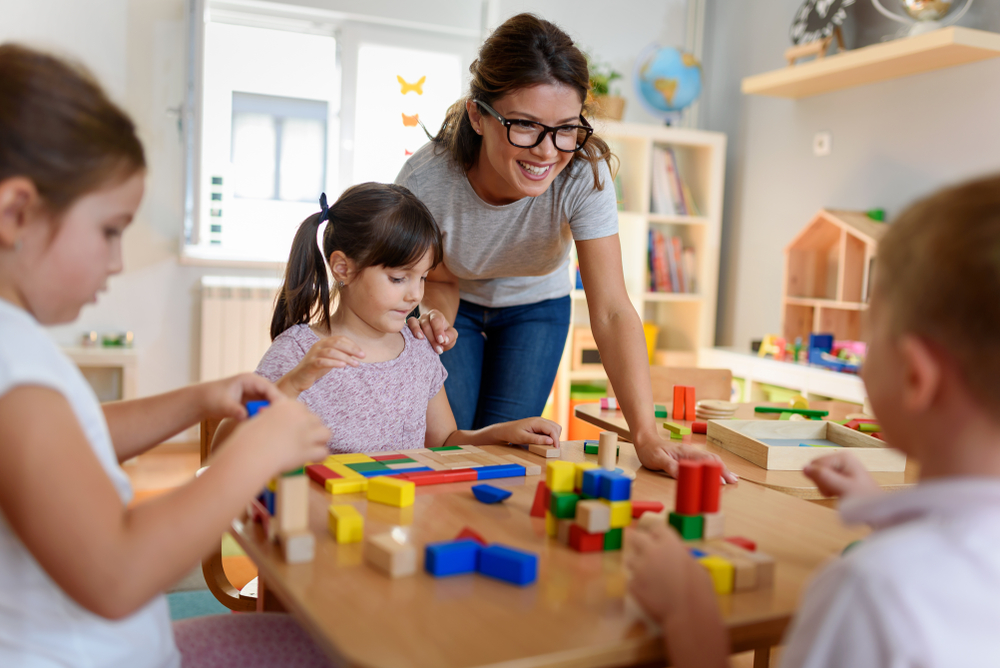
    Play is actually a fundamental component of childhood development and learning, and that is why early learning centres must take this into consideration in their design. Through play, children engage in hands-on exploration, problem-solving, and social interaction, all of which are essential skills for success in school and beyond. Play-based learning environments provide children with opportunities to experiment, make mistakes, and learn from their experiences in a safe and supportive setting. Whether it’s building with blocks, pretending in dramatic play areas, or exploring nature in outdoor spaces, play allows children to follow their interests, express their creativity, and develop a deep understanding of the world around them.

    Culturally Responsive Design

    Culturally responsive design is a cornerstone of modern early learning centre architecture in Australia. It embodies the recognition and celebration of the diverse cultural identities within the community. Through thoughtful integration of indigenous artwork, traditional building materials, and culturally significant symbols, early learning centres become inclusive spaces that honour the heritage and values of all children and families. By incorporating elements of cultural significance into the design, these centres not only reflect the diversity of their communities but also provide opportunities for cross-cultural understanding and appreciation. Culturally responsive design goes beyond aesthetics; it fosters a sense of belonging and pride among children and families, creating environments where everyone feels valued and respected.

    Sustainability and Environmental Stewardship

    Sustainability can also come into the design of early learning centres, reflecting a commitment to environmental stewardship, and instilling in children a sense of responsibility for the planet. From the choice of building materials to the layout of outdoor spaces, every aspect of the design process is guided by principles of sustainability. Passive solar design maximises natural light and reduces the need for artificial heating and cooling, while energy-efficient lighting and appliances minimise energy consumption. Additionally, the use of recycled materials not only minimises waste but also teaches children the value of repurposing and recycling. By integrating sustainability into the built environment and incorporating it into the curriculum, early learning centres in Australia are not only reducing their environmental impact but also shaping the next generation of environmental leaders.

    Do You Need a Commercial Building Company?

    Look no further than S&B Lamble Builders. We can provide you with 35 years of industry experience in delivering outstanding commercial building solutions. Our expertise includes schools and early learning centres, along with aged care facilities and industrial premises. Whatever your commercial project, our licensed and experienced commercial building contractors can transform your vision into a reality. Plus, if you have a residential building project in mind, we can also assist you!

    When you need a commercial building company, contact us at 03 5941 8135 or fill out our online contact form and we will get back to you.

  • Colour Psychology in Custom Commercial Buildings

    Colour Psychology in Custom Commercial Buildings

    Across age groups, gender and culture, people develop differing preferences and connotations for what colours we find comfortable in our environment. This is important when designing spaces in custom commercial building with specific demographics in mind. Imagine how out of place a giant, vibrant purple and green wall would appear in an age care facility, usually filled with more natural and pastel colours. This is where colour psychology comes in, the giant vibrant wall would feel very bold and intense in what is trying to be a relaxing and familiar environment.

    Colours also have different connotations in different cultures and societies around the world, and this is important to consider when designing spaces. Some have more universal meanings, such as ‘gold’ is usually associated with wealth given the connection to the material, but the colour of red can vary from positive associations of warmth and love to negative connotations of anger and violence. Consider the connotations of colour before placing it in a custom commercial building, depending on the building’s target demographic. This is especially important in areas that require cultural sensitivity, whether it is a community centre, culturally themed business, prayer, worship or funeral services. Whilst white is considered a neutral colour in western civilizations, with connotations of ‘clean and purity’, in many Asian nations, it is considered a colour of mourning.

    It is important for designers and architects to consider the mood they are trying to convey in their custom commercial buildings. It would be inappropriate to be surrounding a funeral home with bright colours given the solemn environment. Whereas a nightclub with a drab, brown and grey palette would not convey much excitement and energy. Natural colours and materials can be used to make a space feel more comfortable and relaxing, or eco-friendly.

    red and blue mat stands

    Favourite Colours:

    Multiple studies and surveys have recognised blue as a particular ‘favourite’ colour across age groups and sexes, with yellow as the least favourite. A study in 2003 by Joe Hallock found a preference for purple among women, far more than men, yet blue remained a favourite across both sexes and all age groups. In Faber Birren’s book ‘Colour Psychology and Colour Therapy’ it is stated that “with maturity comes a greater liking for hues of shorter wavelength (blue, green, purple) than for hues of longer wavelength (red, orange, and yellow).”

    Friendly Colours:

    Many marketing departments recommend adjusting colour hues, saturations and brightness depending on the age bracket you are targeting, and this is the same for designing spaces. Children, for example, are drawn to more bright, vibrant colours, but this changes into adolescence with teenagers more attracted to darker colours, transitioning into neutrals in adulthood and pastels at an elderly age. While studies are limited and produce a variety of results depending on the prompt, question and topic, this theme is loosely followed across design fields. Data on this has been collected through online surveys, and seem to back up the above hypothesis. However, more detailed scientific studies can provide more insight into the colour psychology of children and elderly citizens.

    Designing environments for children

    When surveying young children, a study found an overall preference for the colour red in the interior environment, but girls also preferred purple. This is worth considering when designing a custom commercial building such as a kindergarten or childcare where 3-5 year-old children will be spending a lot of time. When targeting a slightly older demographic of 5-7 year-olds, participants still had positive connotations to “bright colours (e.g., pink, blue, red) and negative emotions for dark colours (e.g., brown, black, grey).” This preference for red, warm colours in interior environments gradually disappears with age, and neutral and white tones for walls and ceilings are generally preferred as people grow older – with brightly coloured walls being used for a ‘feature’ or to create a strong contrast or statement.

    Designing environments for seniors

    Senior man pouring tea cup

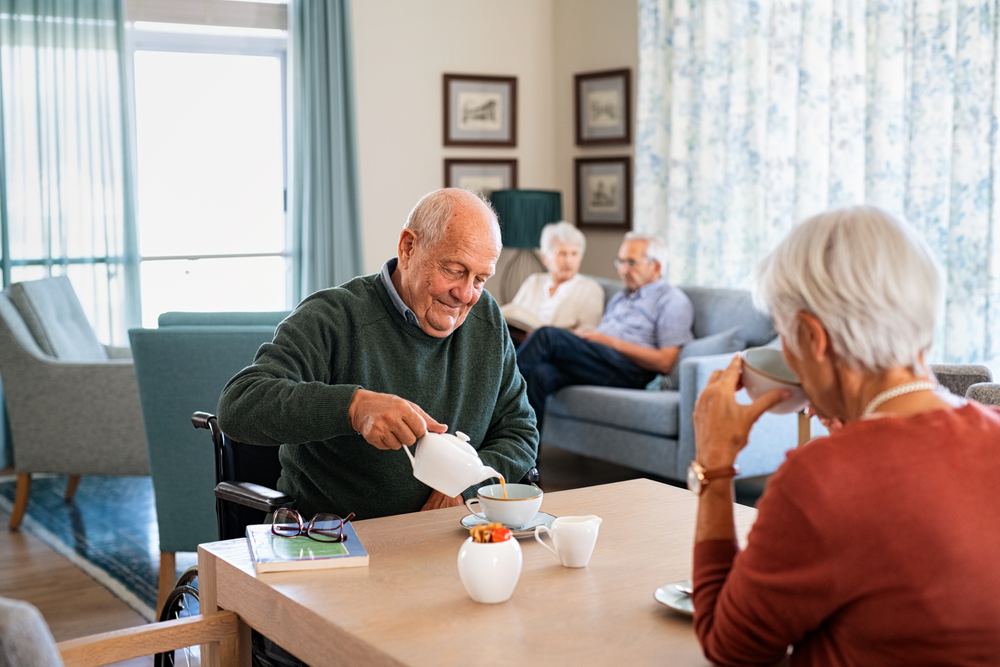
    Designing a custom commercial building or healthcare / residential facility with a target demographic of senior citizens, (such as an aged care facility,) requires more consideration depending on the function of the space. The effect of age on vision means important, readable graphics must have a high contrast colour palette, as elderly people on average have drastically reduced contrast sensitivity and vision impairment. The relationship of positive to negative space can be almost illegible with some colour combinations, similar to the experience of people with colour blindness. Elderly individuals are drawn to more soft pastel colours, and the colour blue, which can appear calming, natural, familiar, and relaxing.

    S&B Lamble has been working in the building industry for 35 years, with projects across Melbourne and regional Victoria. Our custom commercial buildings prioritise the client and ensure a job that is tailored to their specific environment and needs. Our specialist team will help guide you through the entire process from planning, design, and construction, to ensure you are getting quality support throughout the entire process.

    To discuss your custom commercial build with our expert team, give us a call at (03) 5941 8135 or fill out our online contact form today.

  • Aged Care Facilities: Building a Welcoming Space for Residents and Staff in the Early Stages of the Build

    Aged Care Facilities: Building a Welcoming Space for Residents and Staff in the Early Stages of the Build

    When building aged care facilities, commercial building companies need to consider all the best elements and innovations to create a welcoming and accessible environment. Interestingly, this involves making adaptions and additional fittings to better suit the comfort of residents and the needs of the staff.

    As a leading, commercial building company, the committed experts at S & B Lamble Builders recognise that incorporating custom design elements and assistive technology can go a long way to improve the unique needs of an aged care facility.

    The increased importance of wayfinding and accessibility

    While neutral palettes are an ongoing timeless trend for many residential homes, you are unlikely to find this refined palette in many aged care facilities. Colours act as a great wayfinding cue for elderly residents, particularly people with dementia, and of course, many older people have visual impairments such as macular degeneration or loss of central or peripheral vision. This makes including contrasting colours on walls and bench tops so important to commercial building companies for the added depth perception.

    It’s important to consider that brighter colours are highly visible, while lighter hues like blue and lavender are more difficult for elderly people to see and often appear grey. Colour or specific patterns can be a great tool for wayfinding by using different colours to create separate zones and establish a sense of familiarity.

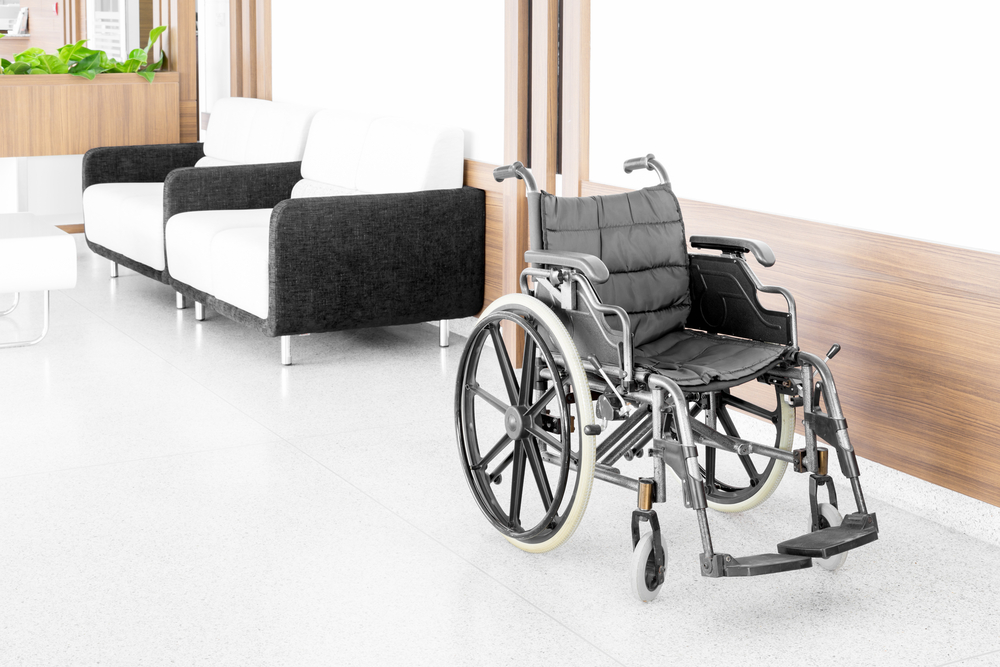
    Accessibility is also integral to the comfort of residents in aged care facilities. This requires the installation of handrails, non-slip surfaces, and ramps alongside clear signage in large, clear fonts. The department of health also recommends hallways and paths to be at least two metres wide to allow two wheelchairs to comfortably pass each other. Wider thoroughfare also helps staff easily and quickly move any medical equipment as necessary.  Another aspect that can assist with both accessibility and wayfinding is to furnish high traffic areas with comfortable seating corners, allowing elderly residents to take a rest as needed.

    Assistive Technology

    While there are many fittings to consider when designing the ideal aged care facility, another aspect that benefits both residents and staff members is integrating assistive technology and automation in the early stages of the build. Innovative technology can make a drastic difference to the comfort of older residents and frees up staff for more important tasks.

    Automations such as motion-activated lights between the bedroom and bathroom can help to prevent falls and add a sense of independence. Appliances like smart stoves with automatic shutoffs can also prevent accidental fires and automatic taps allow forgetful older residents to walk away from running taps without wasting water. For additional safety, doors with sensors can also limit wandering residents from accessing staff only areas allowing private spaces for staff to relax and safe areas for storage of the medication.

    There are also automation and technology that can be integrated by the commercial building company to improve the comfort of the residents. Time activated blinds that allow natural light to fill the room can also create a more welcoming environment during the daylight hours, without requiring staff to open all the blinds throughout the building. Climate control throughout the resident’s bedrooms will also increase their sense of comfort.  

    Any screens and multimedia installed throughout the build, such as nurse call systems, should include large screens and screen readers to assist with text. Any assistive screens or multimedia technology should all include a simple user interface to be easy to use for residents and could also prove useful to staff for accessing medical information as needed.

    Avoiding an uncomfortable, institutional style

    Avoiding the appearance of an institutional building and designing for resident enjoyment is important to any leading commercial building company. This includes minimising the use of long, dull hallways and maximising the number of entrances to closed-off garden spaces.

    Aged care facilities should also include accommodations for end-of-life care, which may include wide doors in bedrooms to allow bedridden residents to be wheeled outside for outdoor enjoyment. Maximising the views outside, particularly in dining areas, adds natural light and a sense of relaxation. It can also be beneficial for the fencing to be discrete and concealed by landscaping so that the space can feel more open. Activity areas and spaces for visiting families are also important to consider when designing an aged care building. This could include a lawn bowl area, added lounge rooms and sheltered, private outdoor seating.

    Ready to build with a dedicated commercial building company?

    S & B Lamble Builders approach each commercial build as a unique project with a superior level of workmanship. With over 35 years of experience across Melbourne and regional Victoria, our team specialise in building aged care facilities that prioritise comfort and enjoyment.
    The professional team of our commercial building company are ready to help you through the construction process from the planning and design stages so you can rest assured that you’re receiving quality care at every step of your commercial build.

    Please feel free to submit a tender through our site to turn your vision into a reality! To discuss your commercial build with our expert team, give us a call on (03) 5941 8135 or fill out our online contact form today.

  • Encouraging Activities Through Construction In An Aged Care Facility

    Encouraging Activities Through Construction In An Aged Care Facility

    It can be hard to construct an engaging aged care facility and so many times they can all end up looking too similar. Here at S & B Lamble Builders, we believe a solid aged care facility starts with a creative spark and the ambition to build something that will simultaneously stand out and serve to benefit the occupants. That’s why for today’s blog, our commercial builders in Melbourne are going to detail a few ways that activities can be encouraged through the construction of the building.

    Aged care facility

    Outdoor activities

    Encouraging the residents to contribute to community gardens or take walks for exercise is one of the best features you can add to an aged care facility. Building easily accessible areas with heaps of standing room where communal gardens/veggie patches can be placed are essential in encouraging this activity. If the area is too cramped then it may deter some residents from getting involved as it can be quite daunting otherwise.

    Planning out interesting walking paths is crucial to encouraging exercising. Keep in mind when we say interesting we don’t mean complex – they should be fairly simple to follow but they should also be more than straight lines up and down. Try to introduce interesting features like small flowers on the borders or even arches at checkpoints to create excitement along the route.

    In addition to the above two options, medium to large-sized plazas create great spaces for general group or solo activities as well as a place for friends to gather and families to visit. These plazas can have various additional elements such as water features or fixed benches to further motivate people to use the space. Additionally, they make great areas for BBQ’s and outdoor cooking activities – as well as encouraging the residents to eat outside and enjoy the weather.

    Indoor activities

    Let’s start with the lounge area. This space should be quite open to facilitate any visiting acts such as plays or musicians whilst also taking into account seating for a decent number of residents. Consider natural lighting as well – it’s a much better option than artificial lighting (especially when it comes to the eyes) and can be used advantageously by planning for skylights or a myriad of strategically placed windows that cover the area.

    Even something as simple as walking indoors should be encouraged – especially since the weather won’t always allow for outdoor activities. With this in mind, there should be as few inclines/declines or staircases throughout the hallways to make it easier for residents to manage the walks. However, if these elements are unavoidable – then sufficient hand railings should be installed in these areas.

    To further improve their experience, the hallways should go beyond the generic, monotonous aesthetic that is so widely used and instead adopt some distinctive designs and wallpapers. Along with clearly marked hallways, this will help the residents to distinguish where they are in the building as they’ll be able to associate certain aspects with certain areas. Including windows in some frequency is also great for the natural light and may also make the residents feel more comfortable. 

    There’s always more that can be done to the dining room. A large and neatly organised room is essential to help the residents socialise with each other whilst ensuring they’re comfortable and not cramped. The space can also double as an area for activities such as dancing lessons. Simply move the dining furniture to the side and you’ve got yourself a great space for undergoing a number of indoor activities.

    Are you looking for commercial builders in Melbourne?

    Our commercial builders are no strangers to constructing the ideal aged care facility in Melbourne. With over 35 years of industry-experience, S & B Lamble Builders is the perfect firm to bring your next commercial construction project to life. We specialise in a myriad of building types such as aged care facilities, wineries, education facilities and retail spaces.

    Our commercial builders and fully licensed and trained – meaning they can handle any commercial plan you throw at them and will deliver a truly impressive end-product that excels in both build-quality and visual aesthetic. Why risk it? Use a trusted and professional firm for your next commercial project.

    If you’d like to get in touch with our commercial builders in Melbourne, then please call (03) 5941 8135 or fill out the contact sheet on our website.

  • Designing The Perfect Modern Office

    Designing The Perfect Modern Office

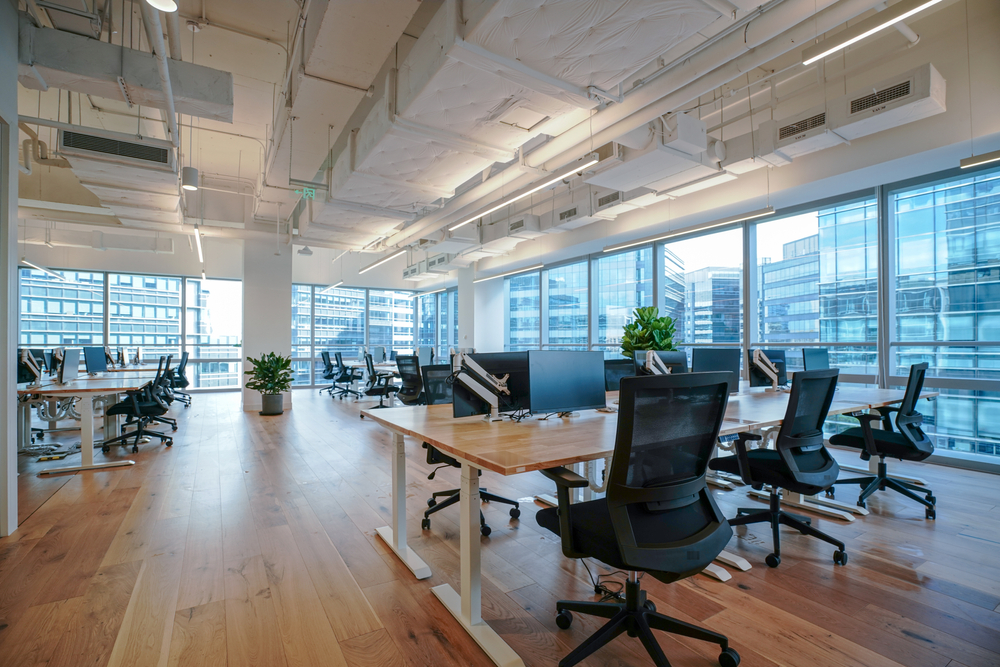
    Architecture has come a long way to the point where even the most conventional workplaces are starting to introduce some aesthetic flair and elements into their structure. As custom commercial builders, we’ve seen and built some pretty impressive buildings that have really challenged the norm of what a professional workplace should look like. The days of eye-straining fluorescent lighting and compartmentalised cubicles are over – with natural lighting and sustainable solutions paving the way of the modern office space. Let’s take a look at some of the key elements that could boost productivity and encourage a healthier working environment.

    Open spaces

    The typical workplace image has always seen a mass of cubicles occupying the office floor – which has also been accompanied by a monotonous and sometimes unhappy feeling. In recent years we’ve seen a change to that image with open offices eliminating the borders that separate co-workers. This encourages a healthier and social-driven workspace whilst still maintaining optimal performance. If the employees are happy then they’ll work faster and more efficiently.

    You can still have closed offices for certain members or senior staff – and the open-floor concept can be customised to suit several shapes and sizes. You may even opt for large communal desks instead of individual ones. Employees should have sufficient room to perform their duties, though, as not to feel cramped and uncomfortable.

    Lighting – the natural solution

    Fluorescent lighting has long had negative effects on our eyes in the office – inciting such issues such as migraines or strained eyes. One of the biggest issues of fluorescent lighting is the flickering – which happens so fast that most people don’t even notice it. But some people do notice it – which can lead to health issues. If you’re looking for an artificial solution to this problem, then LED lighting is generally a much better option as they’re more energy-efficient, easier on the eyes, last longer and don’t produce heat. 

    Sometimes, though, the best solution is the natural one. Injecting some natural light via windows or skylights into your office is one of the best ways to not only light up the space but also improve the productivity and wellbeing of employees – this includes reducing symptoms such as eyestrain by up to 84%. If it’s within budget, then maybe an outdoor patio/balcony area where employees can enjoy a quick break or their lunch. These can be quite unique and attractive elements for high-rise office buildings especially – which don’t usually have such features.

    Go green

    Our custom commercial builders believe that putting a strong emphasis on plants and greenery in the workplace is a sure way to boost productivity as well as create a stylish and impressive modern space. In addition, greenery in the workplace will also promote a healthier and happier atmosphere. Part of this is because trees produce fresh oxygen which just gives the office space a fresher ecosystem. As well as large-scale, permanent pieces that can be integrated into the building itself – employees will also be encouraged to bring in their own desk plants and care for them.

    Adaptable spaces

    You might just read this and think “well isn’t that what a boardroom is for?” and you are right – but a traditional, corporate boardroom may not suit your particular type of business or it might even be too rigid. An adaptable space could have a variety of lounges/couches or small stools in it to create a truly relaxed collaborative space for team meetings, projects the occasional ad-hoc work or as a break from the main workspace. If you only have enough space for one of these rooms then you can still add a boardroom in the centre of it – otherwise, a separate room can still act as a traditional boardroom if it’s necessary.

    Take advantage of technology

    Technology is only growing more accessible, faster and bolder. So, failing to embrace it in a new office would be a mistake. From in-wall tablets to no longer requiring bulky PC’s – there truly are a plethora of elements that can be explored when it comes to technology. A lot of modern and new professions can be handled on laptops and tablets and thus designing desks and seating arrangements to facilitate desktop machines may not be necessary. If you can gather an understanding of your business’ requirements, then you’ll be able to make the best decision.

    Are you looking for custom commercial builders in Melbourne?

    S & B Lamble Builders have 35 years of experience constructing high-calibre custom commercial projects and will work with you to ensure your dream of a modern office is realised.

    If you’d like to get in touch with our custom commercial builders, then please do not hesitate to fill out the contact sheet on our website or call (03) 5941 8135 today.